Author: Dovilė Čibiraitė-Lukenskienė

  • RTO Lithuania Participates in the joined Lithuania–Poland Summit for Life Science & Biotech Ecosystems

    RTO Lithuania Participates in the joined Lithuania–Poland Summit for Life Science & Biotech Ecosystems

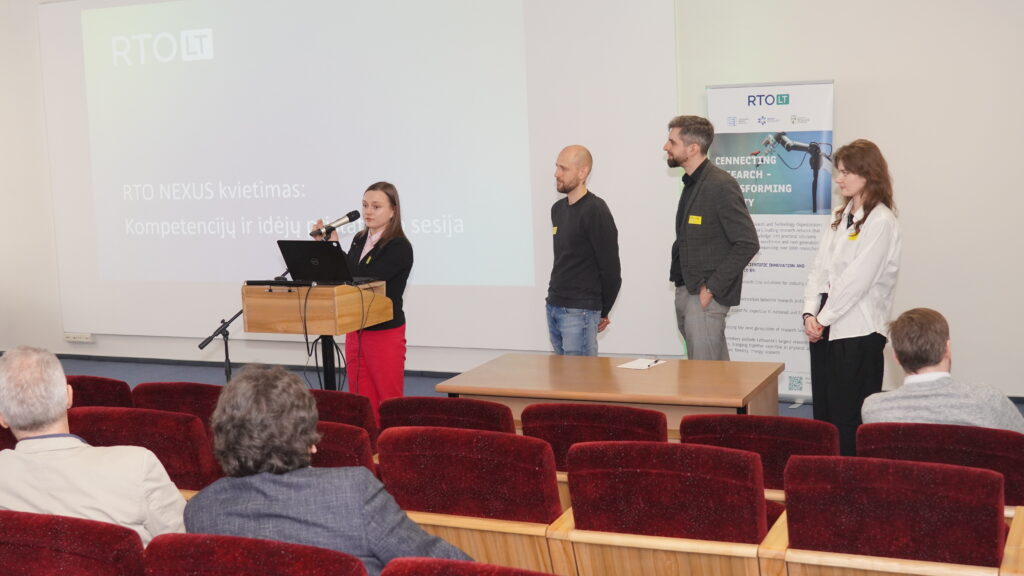
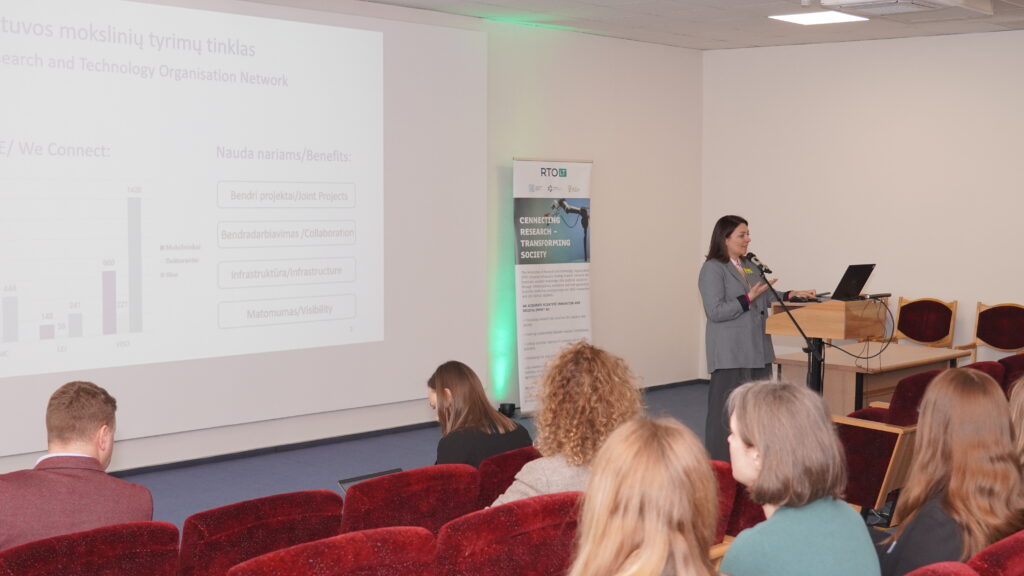
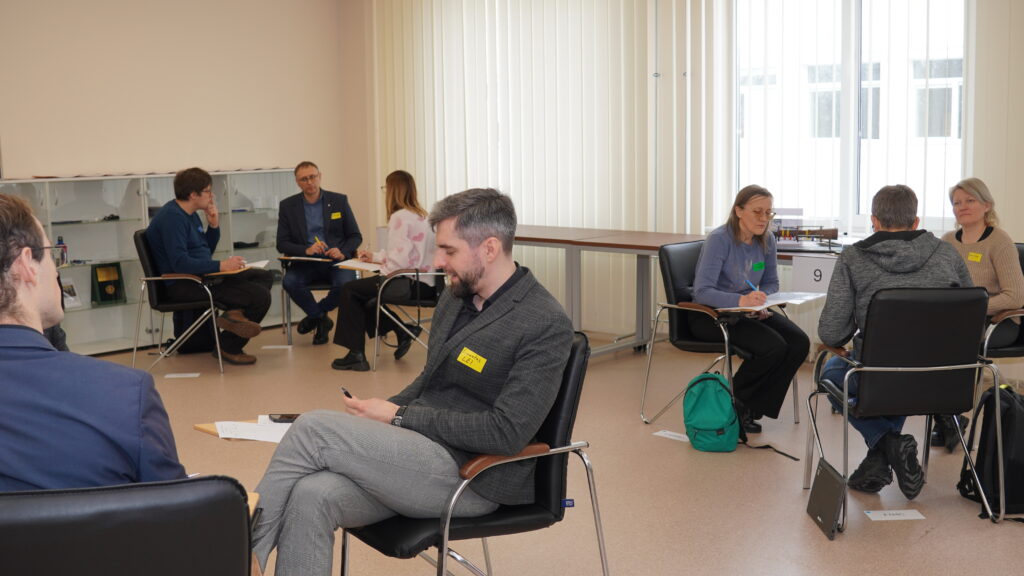
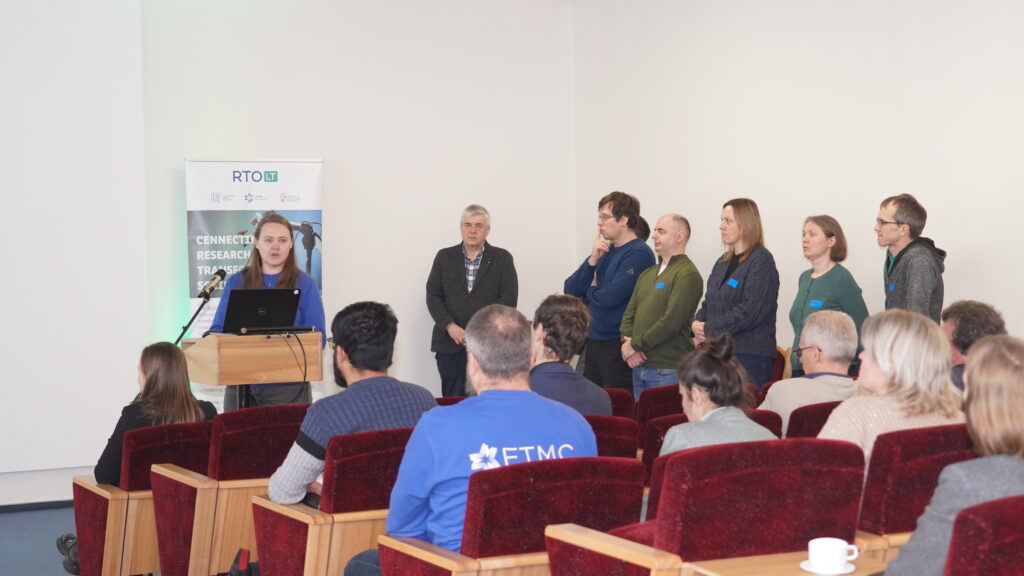
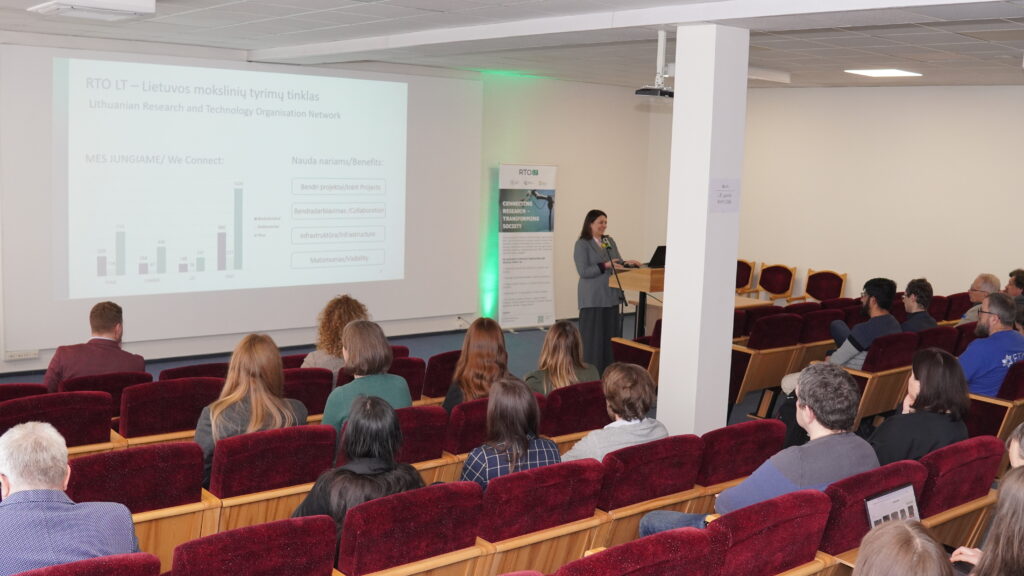
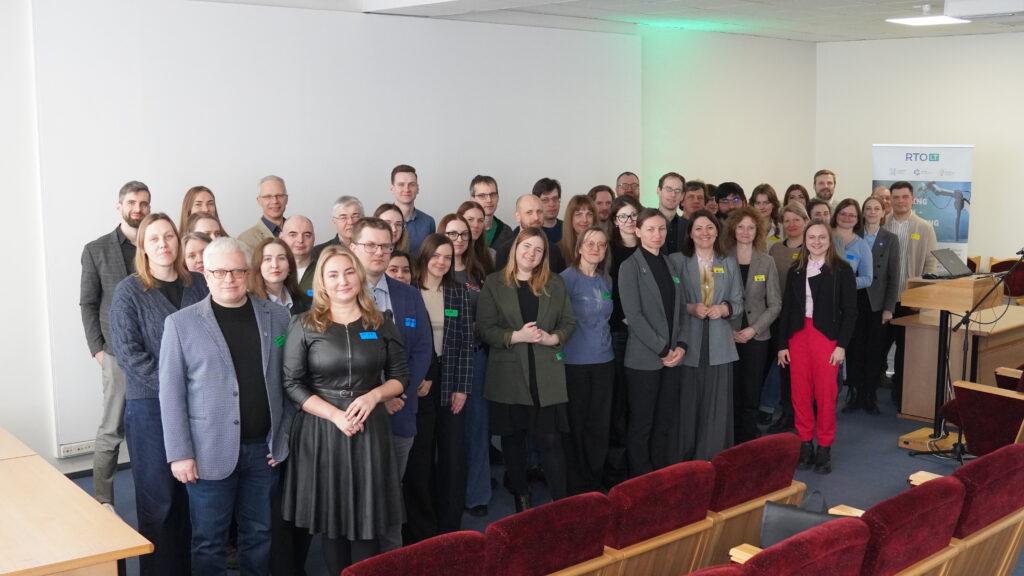
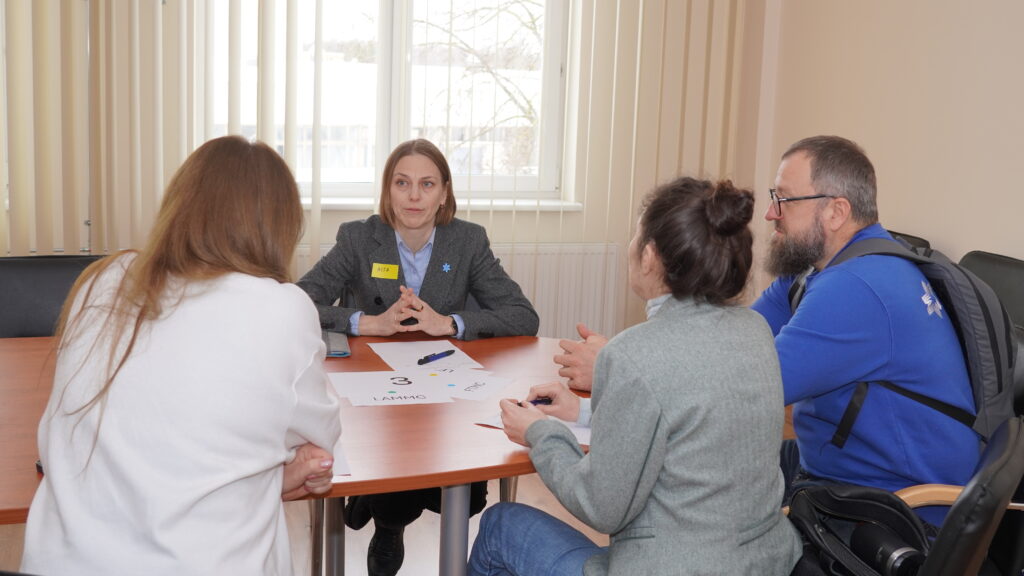
    RTO Lithuania took part in the Lithuania–Poland Life Science & Biotech Ecosystems Summit held on 27th of November in Vilnius—an important regional event bringing together key stakeholders from research, innovation, and industry. We extend our appreciation to LithuaniaBIO for the invitation and for organizing this valuable initiative aimed at strengthening cross-border collaboration.

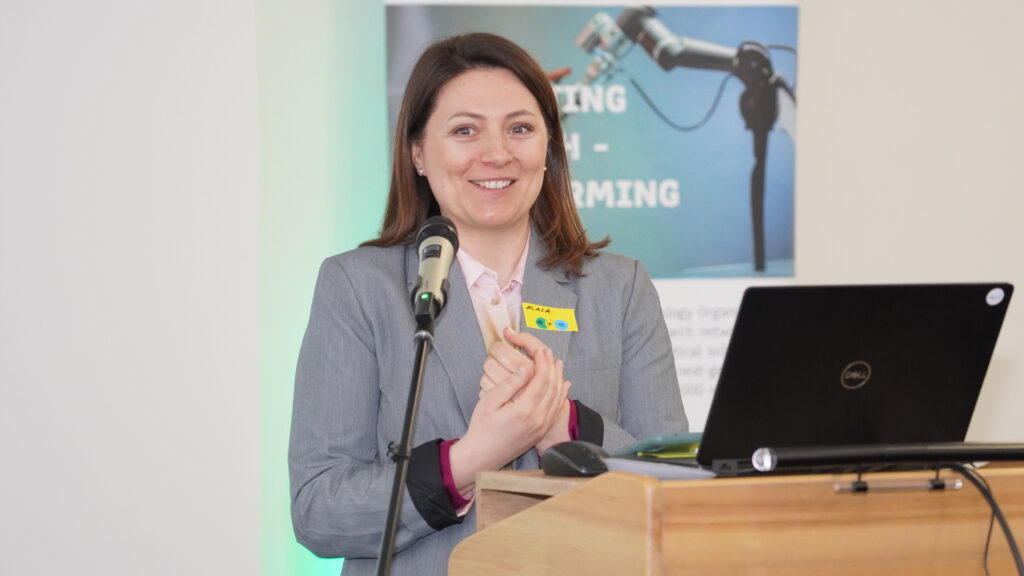
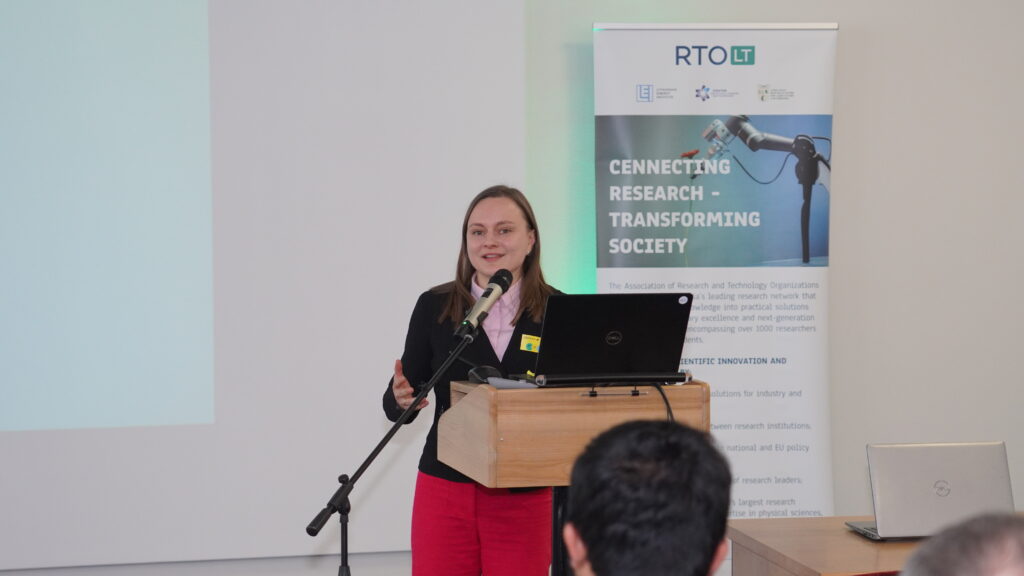
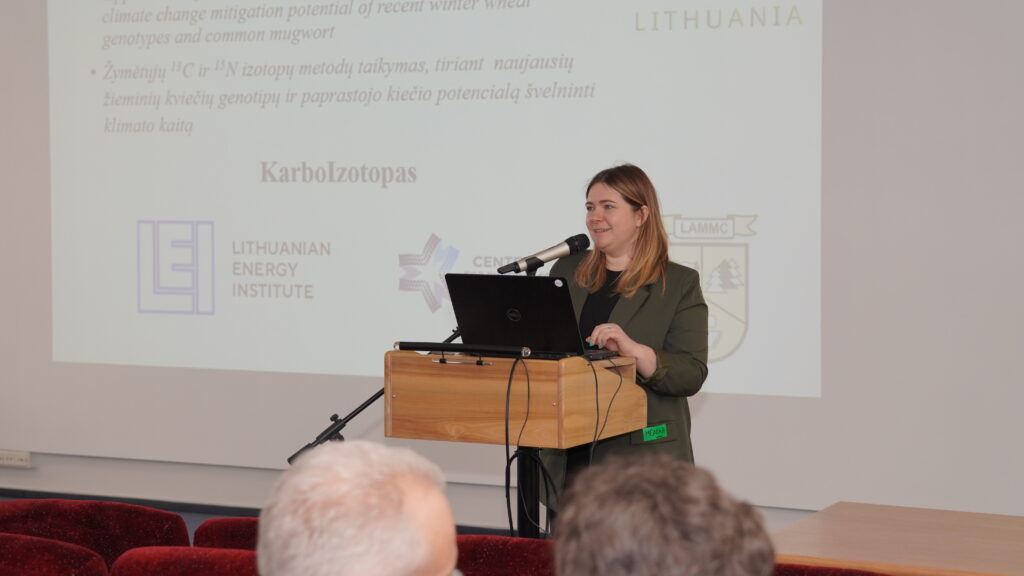
    During the session Technology Transfer & Academia–Industry Collaboration, RTO Lithuania representative Dr. Paulina Štrimeikytė (LAMMC) highlighted the essential role that Research and Technology Organizations play in the innovation ecosystem. These include:

    • fostering interdisciplinarity,
    • shaping science and innovation priorities,
    • acting as reliable partners in cross-border research and innovation projects.

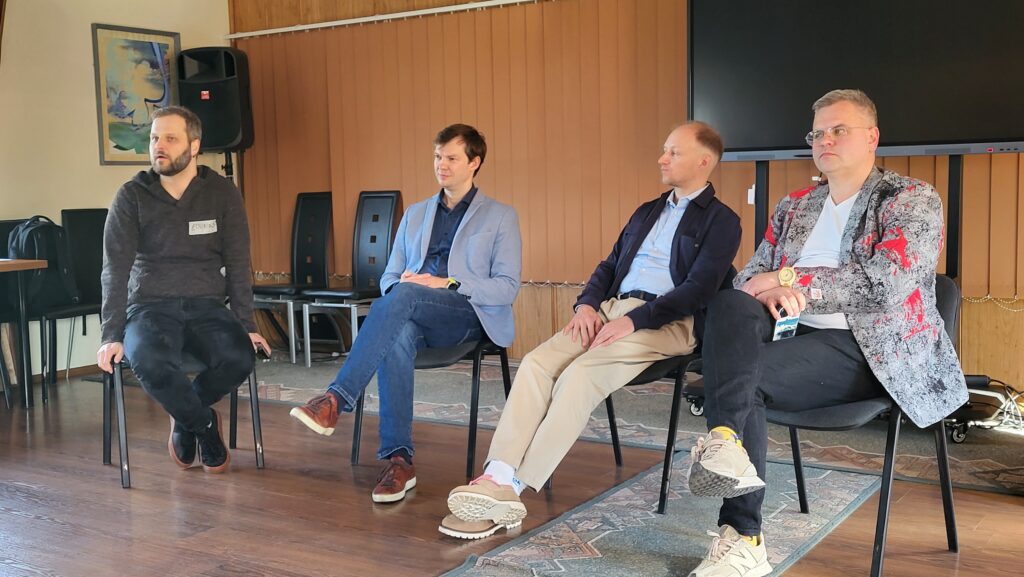
    In another session, RTO expert Dr. Arūnas Stirkė (FTMC) shared insights on interdisciplinary cooperation and contributed to the panel discussion “How can Lithuanian–Polish collaboration accelerate biotech startups to global markets?”

    A clear message emerged from the discussion:

    Only well-structured cooperation between academic institutions, RTOs, technology transfer offices, and industry can create the critical mass required to tackle complex societal challenges and drive innovation at scale.

    By connecting scientific expertise, research infrastructures, and innovation capabilities across borders, Lithuania and Poland can unlock opportunities and achieve results that would be unattainable individually.

    RTO Lithuania welcomes RTOs, research institutes, universities, and innovation-driven companies across the region to collaborate with us in joint project development and consortium building.

  • EARTO celibrates 25 years shaping European R&D&I Policy

    EARTO celibrates 25 years shaping European R&D&I Policy

    On October 14, 2025, our representative Dr. S. Rimkevičius participated in the EARTO (European Association of Research and Technology Organisations) Board Meeting and the EARTO Innovation Awards event, which was held alongside the celebration of EARTO’s 25th anniversary. The event was attended by Markus J. Beyrer from BusinessEurope, and Manuel Aleixo, Alexandr Hobza, and Christian Ehler from European Commission.

    During the Board Meeting, recommendations were presented concerning the European Commission’s proposal for the new funding period (2028–2034) of the EU’s research and innovation program Horizon Europe and the European Competitiveness Fund. The importance of these programs for Lithuania was also emphasized by Dr. S. Rimkevičius.

    EARTO unites 350 non-university research centers from 32 countries (including associated EARTO members from non-EU countries) and plays an active role in shaping EU science policy and representing the interests of non-university research institutes and centers.

    EARTO Proposals to the European Commission

    Proposal 1. EARTO points out that despite the expected increase in funding for collaborative R&D&I projects (Pillar II) in the new Horizon Europe program, this increase is smaller compared to other program pillars, accounting for only 43% of the program’s budget. EARTO proposes restoring the proportion from the previous program and allocating 60% of the budget to collaborative R&D&I projects, taking into account Europe’s strategic priorities related to technological sovereignty across key industrial sectors and value chains.

    Proposal 2. EARTO proposes increasing funding for research and technology infrastructures to ensure that Europe remains globally competitive. While the European Commission’s proposed €10.9 billion budget for research and technology infrastructures is welcomed, it does not meet actual needs. A recent European Investment Bank study estimated that the funding requirement for technology infrastructures alone in Europe will reach €13–16 billion by 2030.

    Relevance of the Proposals to Lithuania

    Preliminary discussions with RTO Lithuania partners and representatives of the Lithuanian Research Council revealed that these EARTO recommendations are also highly relevant to Lithuania. The country receives the majority of its Horizon Europe funding through collaborative R&D&I projects (Pillar II). Nevertheless, strengthening research and technology infrastructures remains a critical issue in Lithuania. In addition, S. Rimkevičius emphasized the importance of the “Widening Participation and Spreading Excellence” program for Lithuania during the EARTO meeting.

    The insights shared by S. Rimkevičius represent a preliminary exchange of views. A more defined position reflecting the interests of Lithuania’s research and business communities regarding the Horizon Europe program will be formulated on October 30 at a discussion organized by the Ministry of Education, Science, and Sport on the European Commission’s proposal for the 10th EU Framework Programme for Research and Innovation (Horizon Europe).

    EARTO Innovation Awards

    Dragonfly® Vibration Sensor (CEA, France)
    The French Alternative Energies and Atomic Energy Commission (CEA) won the EARTO Innovation Award in the “Impact Delivered” category for its development of Dragonfly®—a groundbreaking universal sensor that outperforms traditional vibration sensors in sensitivity, versatility, and cost-effectiveness. Developed using advanced semiconductor technology, Dragonfly® is 1,000 times more sensitive and 100 times more versatile than conventional sensors. These sensors are used in the aerospace industry and for monitoring critical industrial equipment.

    Next-Generation Cryogenic Chips (VTT, Finland)
    Finland’s research and innovation center VTT won the EARTO Award in the “Expected Impact” category for developing innovative cryogenic chips. Unlike standard metal-oxide semiconductor chips that generate substantial heat, cryogenic chips ensure minimal energy dissipation and are designed to operate in extremely cold environments (-270 °C). This innovation paves the way for advancements in quantum computing, electronics, space exploration, and environmental monitoring. It also strengthens the EU’s semiconductor industry and supports Europe’s strategic autonomy in key technologies.

  • EARTO Working Group on Healthcare Technologies Meets in Vilnius

    EARTO Working Group on Healthcare Technologies Meets in Vilnius

    On September 23–24, the EARTO Working Group on Emerging Technologies for Healthcare held its biannual meeting at the Center for Physical Sciences and Technology (FTMC) in Vilnius. The group brings together experts from across Europe to discuss the strategic role of health technologies within EU research programmes.

    FTMC, a member of EARTO since 2019, was represented by Prof. Rasa Pauliukaitė of the Department of Nanoengineering. Participants included representatives from leading European RTOs such as IMEC (Belgium), Tecnalia (Spain), CEA (France), Metrosert (Estonia), VTT (Finland), the Tyndall National Institute (Ireland), and AIT (Austria), as well as RTO Lithuania.

    “These meetings are a great opportunity to explore each RTO’s capabilities and foster partnerships for future EU projects,” noted Prof. R. Pauliukaitė.

    The group addressed key challenges in the field, including the commercialisation of healthcare technologies and disparities in innovation levels across European regions due to regulatory differences. Special focus was placed on underfunded yet crucial areas such as rehabilitation technologies and the integration of AI, sensors, and digital tools in patient care. The meeting ended with a tour through scientific laboratories of FTMC.

    Viktorija Reinikovaitė, a PhD student at the Bioelectrical Phenomena Laboratory of the Department of Functional Materials and Electronics at FTMC, with EARTO representatives and “RTO Lithuania” Director Rasa Kulvietienė (second from the right). Photo by FTMC.

  • Submit Your Research on Ecology Topic now!

    Submit Your Research on Ecology Topic now!

    With the start of the new school year we are inviting you to present your research on Ecology topic in the international chemistry conference EcoBalt2025 uniting scientists from the Baltic states and having workshops and intriguing keynote speeches from the world-leading scientists.

    The conference focuses on Green and sustainable chemistry, Environmental physics and chemistry, Analytical and Aquatic chemistry, as well as Environmental toxicology and ecology. The participants are invited to take part in two workshops on Detection of Pharmaceuticals in Wastewater and Microplastics Analysis.

    Submit your abstract by Wednesday (3rd of September) as registration closes soon!

    Find the list of keynote and invited speakers:

  • RTO Lithuania Welcomes New Director, Rasa Kulvietienė

    RTO Lithuania Welcomes New Director, Rasa Kulvietienė

    We are pleased to announce that RTO Lithuania has appointed a new Director – Rasa Kulvietienė, former Adviser for Science to the Minister of Education, Science and Sport. With a strong background in innovation consulting and international collaboration, Rasa brings valuable experience from her previous work at the Science, Innovation and Technology Agency, as well as her involvement with the Massachusetts Institute of Technology (MIT) and the Cambridge program Ideas to Innovation. Her appointment was officially approved by the Executive Board on August 26, 2025.

    On her first day in the new role, Rasa Kulvietienė shared: “I am happy to join RTO Lithuania – a strong community of science and technology. I believe that only through collaboration can we leverage scientific knowledge to tackle the most pressing challenges facing our state and society. I invite you to collaborate and create change together!”

    At the same time, we extend our sincere gratitude to Dr. Linas Eriksonas, the former Acting Director, for his dedicated leadership over the past years. Under his guidance, RTO Lithuania has grown into one of the leading institutions in the deep-tech ecosystem of the Baltic States. Dr. Eriksonas will continue to support the organization as an experienced facilitator of deep-tech ecosystems.

  • DeepTech Entrepreneurship Toolbox: Forge Your Own Path in DeepTech

    DeepTech Entrepreneurship Toolbox: Forge Your Own Path in DeepTech

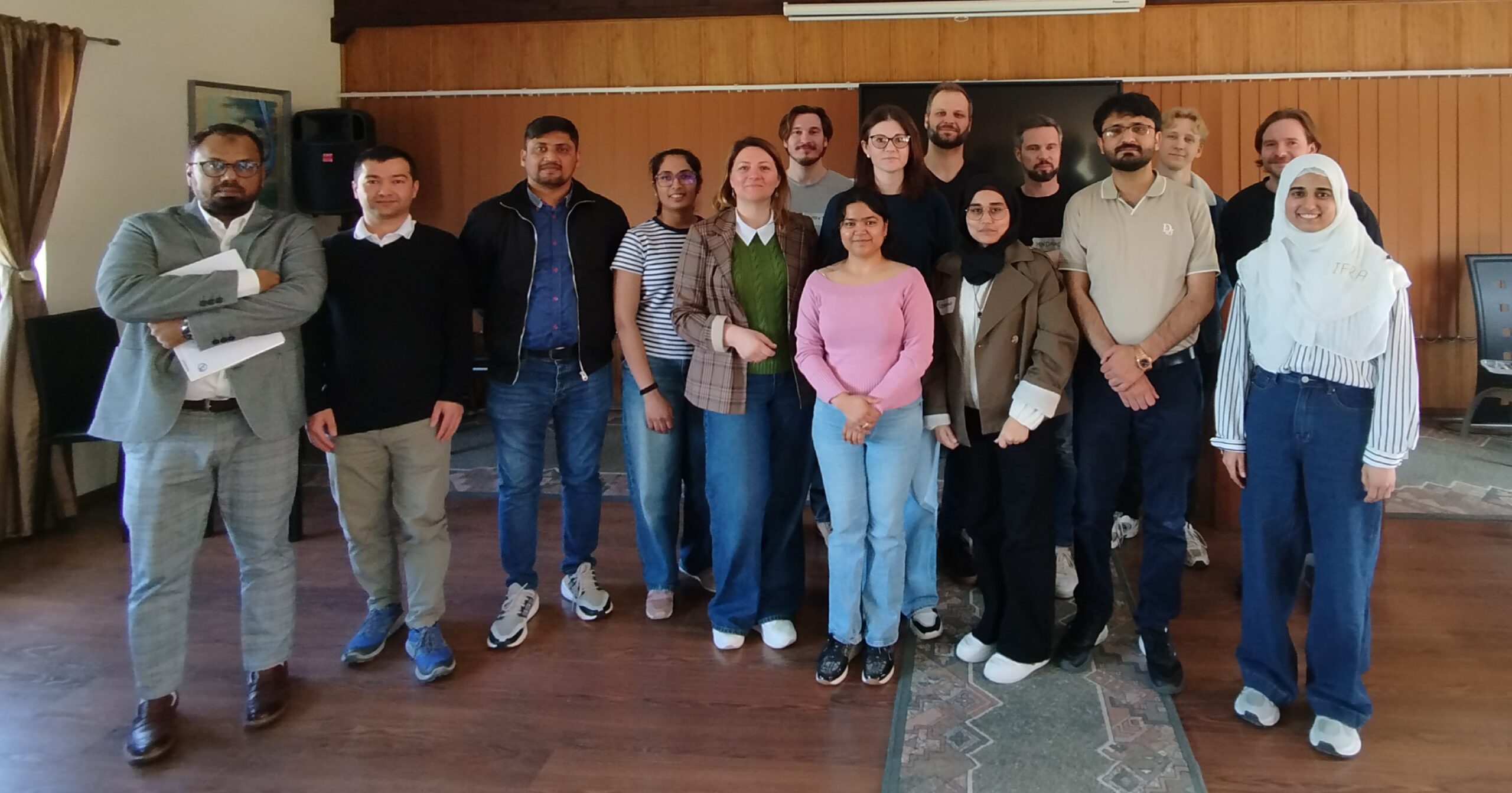
    Two-year Baltic Sea Region Interreg project – Deep Tech Entrepreneurship Launchpad (BSR DeepTech Launch) – fostering STEM entrepreneurship among students and young researchers to boost deep-tech innovation in Polish, German, and Lithuanian economies comes to an end.

    The project addressed the technology talent gap of each of the regions by creating a DeepTech Entrepreneurship Toolbox. This Toolbox equips students and young researchers with the necessary tools to explore entrepreneurship and drive innovation. It is designed to be accessible to various organizations and regions, empowering future entrepreneurs to successfully enter and thrive in the market.

    How to use the Toolbox?
    • Choose where you would like to start your business journey (Lithuania, Poland, or Germany)
    • Choose your business development stage (from blue – with no experience and no idea – to green – already having an official company)
    • Your needs (to think, learn, or act) for the next stage of the growth of your DeepTech company

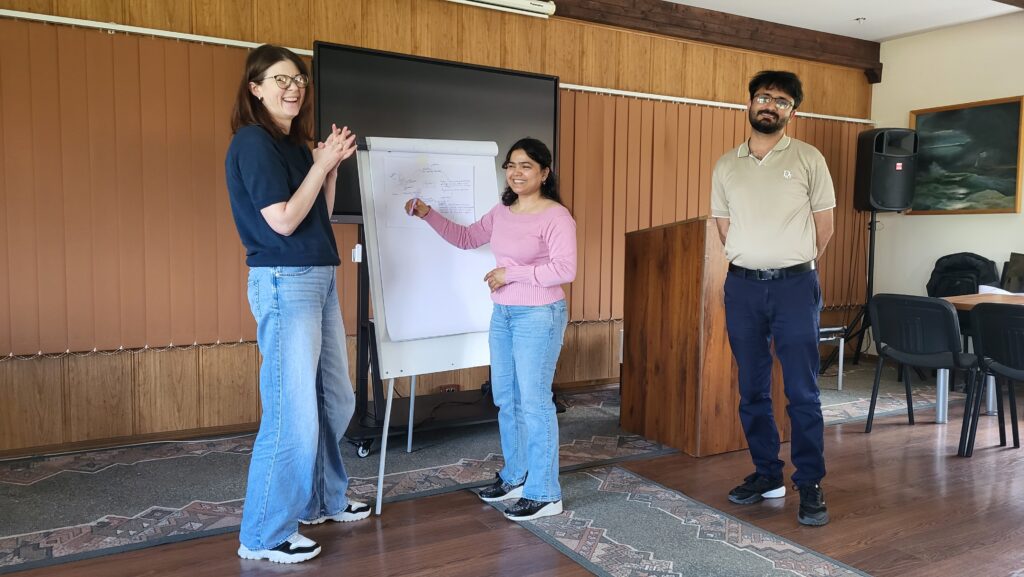
    The DeepTech Entrepreneurship Toolbox for Lithuanian DeepTech Ecosystem was created in response to young researchers feedback who participated in DeepTech workshops organized by RTO Lithuania and the Lithuanian Innovation Centre (LIC) at the end of November, 2024. Survey results revealed strong knowledge gains and high satisfaction among participants but also identified gaps in practical readiness, self-study guidance, and real-life application.

    The Toolbox was therefore developed to provide a structured, accessible platform supporting continuous learning in deep-tech entrepreneurship. It offers practical resources, real-world case studies, and self-learning tools to strengthen participants’ ability to manage and grow deep-tech ventures. Building on the workshops’ proven success and high demand for ongoing support, the Toolbox ensures consistent, high-quality content and broader accessibility empowering young researchers and students across the Baltic Sea Region to forge their paths in DeepTech.

  • EKOAgrITech 2025: A Hub for Connecting Innovators and End-Users in Ecological Farming

    EKOAgrITech 2025: A Hub for Connecting Innovators and End-Users in Ecological Farming

    Akademija, Lithuania — July 3, 2025 — Despite the sweltering summer heat, EKOAgrITech 2025 brought together over 420 participants—including nearly 200 end-users—for a dynamic day dedicated to sustainable agriculture, innovation, and knowledge sharing in the heart of Lithuania.

    Hosted by the Lithuanian Research Centre for Agriculture and Forestry (LAMMC), this year’s event embraced the theme “Sustainability starts here: from the experimental plot to every table,” offering a rich mix of research showcases, hands-on experiences, and discussions for farmers, scientists, businesses, and the public alike. The event featured 1,000 scientific research plots, precision and digital farming demonstrations, five dedicated discussion zones, and family-friendly activities—including organic product tastings and educational sessions for children.

    Main discussion “Novel physical technologies for AgriFood”: Dr. Ignas Hofmanas Ministry of Agriculture of the Republic of Lithuania, Dr. Gintaras Brazauskas Lithuanian Research Centre for Agriculture and Forestry, Saulius Daniulis Lithuania Association of Organic Farms Dangis Valaitis „Dotnuva Baltic“, Gintas Saulius Cironka Lithuanian Agricultural Advisory Service, and moderator of the discussion Raigardas Musnickas.

    Dangis Valantis, the CEO of Dotnuva Baltic UAB – one of the biggest companies for agricultural machinery and services in the Baltic states – during the main discussion said: “There’s no need to support tractor purchases, no need to wait for farming tools and equipment — we need to support smart technologies.”

    A standout moment of the day was the Photonics4AgriFood workshop, co-organized by RTO Lithuania within the framework of the Phorwards21 project that brought photonic solution providers from the whole Europe, including France, Finland, the Netherlands, and Poland. The session kicked off with an opening ceremony, followed by a compelling panel discussion on the impact of novel technologies in the Lithuanian agriculture sector. In the afternoon, presentations on novel physical technologies for AgriFood and a lively pitch and matchmaking session drew strong interest from researchers, innovators, and practitioners.

    Summarizing the matchmaking session RTO Lithuania scientific advisor Dr. Dovilė Čibiraitė-Lukenskienė stated that “Photonics4AgriFood sparked fruitful dialogue and planted the seeds for future collaborations. The session brought fresh ideas for research directions and shed light on the growing availability and capabilities of cutting-edge photonic technologies in the market.”

    As climate pressures mount and the need for sustainable solutions grows, events like EKOAgrITech serve as a vital space to connect tradition with transformation, helping stakeholders move from inspiration to implementation—one plot, one table, and one photon at a time.

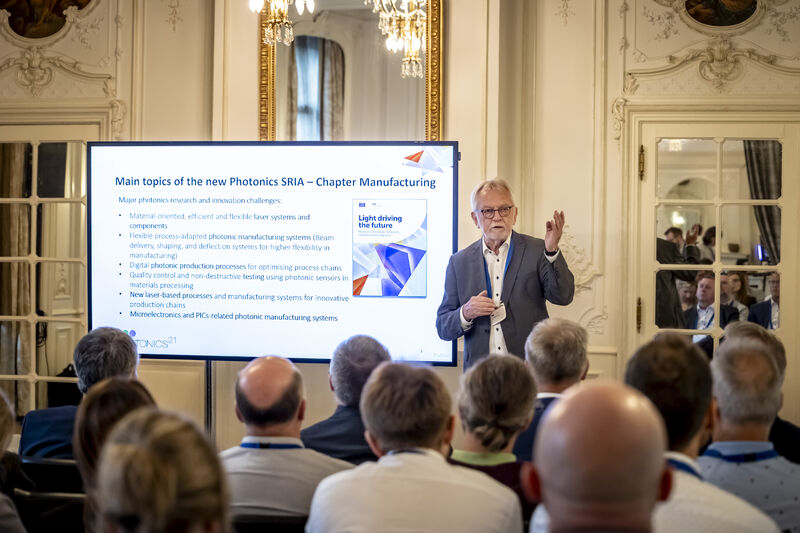
  • Shaping the Future of Photonics: Phorwards21 Reaches Key Mid-Term Milestone

    Shaping the Future of Photonics: Phorwards21 Reaches Key Mid-Term Milestone

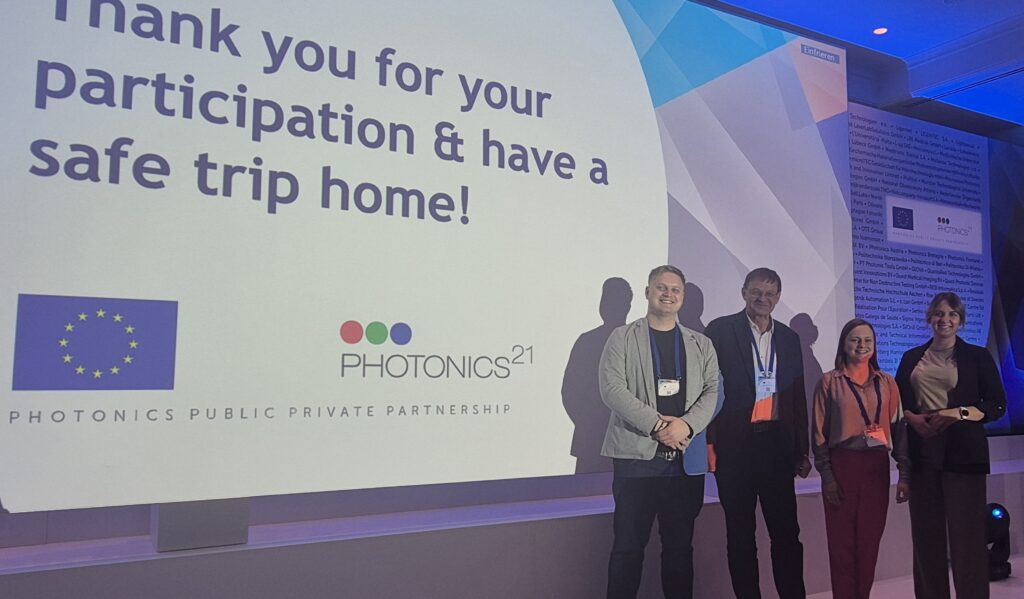
    20 representatives from research and industry organizations across Europe gathered for the Phorwards21 Mid-Term Review Meeting on 23rd of June in Munich. The event served as a key milestone in evaluating the project’s progress in strengthening Europe’s strategic autonomy in photonics and advancing photonics-driven innovation in critical end-user industries, such as Health, Agriculture & Food, as well as Space and Manufacturing industries.

    Launched under the Horizon Europe framework, Phorwards21 brings together a pan-European consortium working to establish a cohesive photonics research and innovation (R&I) strategy that supports future EU missions, economic competitiveness, and global leadership in next-generation technologies. The main focus areas are:

    • Advancing European Strategic Autonomy. Making strong progress in defining community-backed photonics R&I priorities for the 2026–2027 Horizon Europe calls. Discussions with Member States are ongoing aiming for strategic alignment within European Union.
    • Regional and National Engagement. Integrating photonics solutions across regional and national ecosystems. The consortium summarized the regional development priorities from four organized cluster workshops where application and photonics clusters from the regions were working together to determine regional priorities. The project will seek to identify and coordinate EU-funded cooperation opportunities, to facilitate targeted cross-border collaboration.
    • Boosting Photonics Innovation and Investment. Identification of photonics startup ecosystem. An explicit study on European startups was conducted that allows to analyse the ecosystem and support photonics start-ups through the Photonics21 Innovation Award, workshops Photonics4Applications with targeted end users, as well as Tech Tour Photonics.

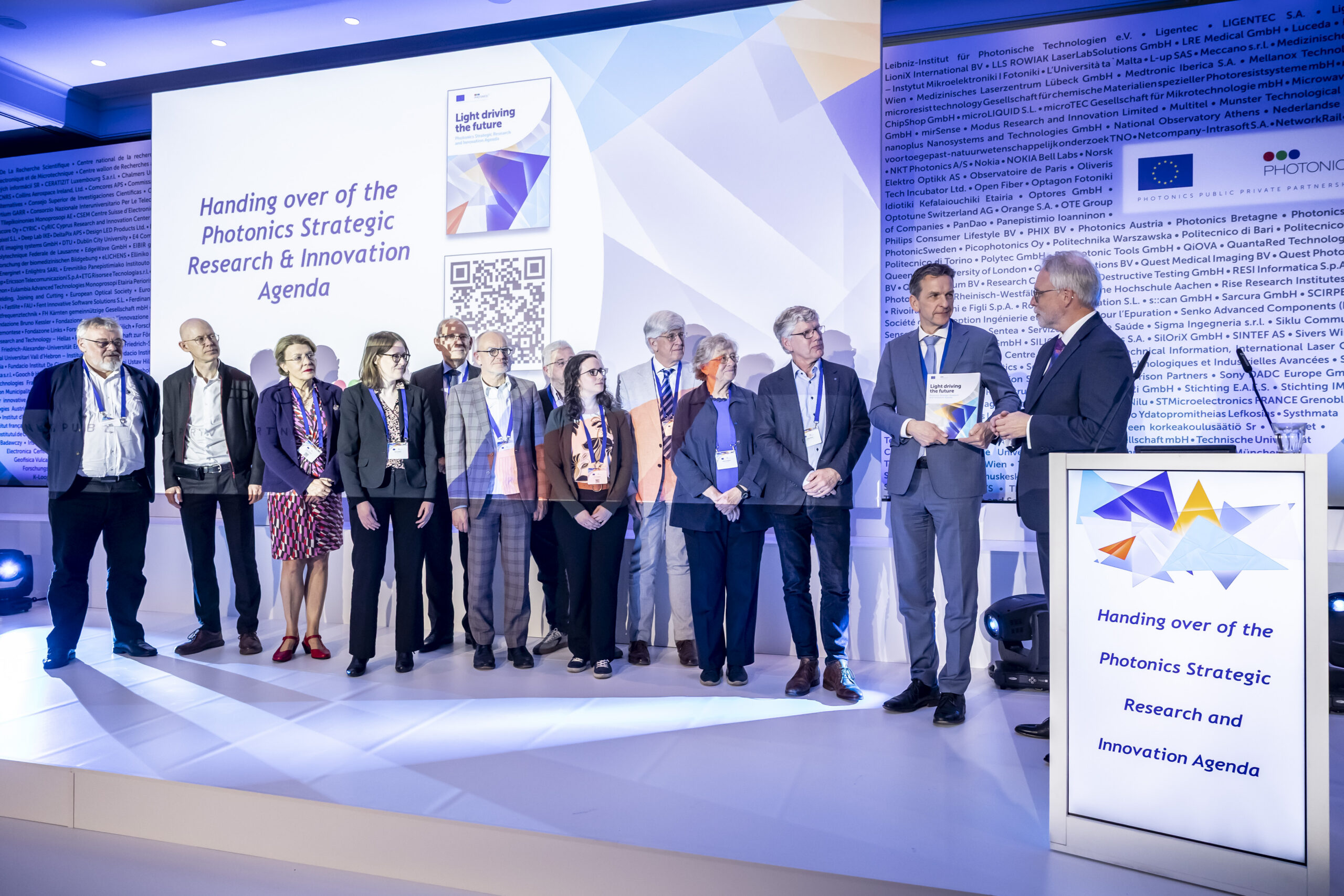
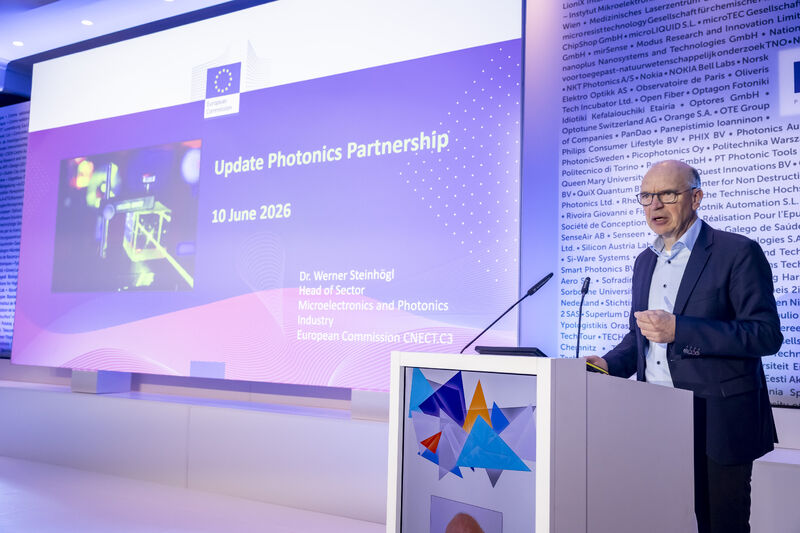
    RTO Lithuania, as a key stakeholder in this initiative, continues to support collaborative excellence and strategic foresight within the European research and innovation landscape and invites everyone to the upcoming Photonics4AgriFood workshop embeded within the forum-exhibition EKOAgrITech.

  • Visit us at ecological agricultural technology exhibition-forum EKOAgrITech

    Visit us at ecological agricultural technology exhibition-forum EKOAgrITech

    The exhibition EKOAgrITech is taking place on July 3, 2025 in Akademija, Kėdainiai distr., Lithuania, organized by Lithuanian Research Centre for Agriculture and Forestry (LAMMC). The event is dedicated to both ecological and traditional farms striving for sustainability, including livestock, crop, and mixed farms. It also welcomes consumers, suppliers, processors, and product distributors. Everyone aiming for innovation and progress is invited to participate.

    This year’s theme: “Sustainability starts here: from the experimental plot to every table.”

    During the event 9 am – 4 pm you will find:

    • 1,000 scientific research plots
    • Exhibition areas and consultations
    • Innovative precision and digital technologies
    • 5 discussion zones and experience-sharing spaces for farmers
    • Presentations and tastings of organic products
    • Special educational activities for children

    As RTO Lithuania we are delighted to contribute to this event co-organizing Photonics 4 AgriFood workshop responsible for promotion of novel photonics solutions for agriculture within the scope of the Phorwards21 project!

    Photonics 4 AgriFood timetable:

    • 10:00 – 10:15 am Opening ceremony
    • 10:15 – 11:00 am Discussion: “Impact of novel technologies in Lithuanian Agriculture sector”
    • 1:20-2:20 pm Presentations “Novel physical technologies for AgriFood”
    • 2:30 – 3:30 pm Pitch session for novel technologies and matchmaking (Technological Bubble C)

    “This year’s event reflects our deep commitment to sustainability—not just in what we showcase, but in how we organize. From spotlighting mixed farming systems and short-chain organic production to highlighting the journey ‘from field to fork’, we aim to inspire a more resilient food future. We’re proud to offer a free, family-friendly exhibition that blends tradition with innovation, including the latest in novel farming technologies. In my view, cutting-edge photonics solutions are essential for the future of agriculture—they enable precise monitoring, efficient resource use, and smarter, greener farming practices that benefit both people and the planet.” says Dr. Monika Toleikienė, the main organizer of EKOAgrITech.

    You can already find the detailed event program at www.ekoagritech.lt!

  • Awarded Three RTO Lithuania Call Winners for Environmental Research Projects

    Awarded Three RTO Lithuania Call Winners for Environmental Research Projects

    RTO Lithuania is pleased to announce the signing of three joint research project contracts between leading Lithuanian research institutions. The Lithuanian Research Centre for Agriculture and Forestry (LAMMC), the Center for Physical Sciences and Technology (FTMC), and the Lithuanian Energy Institute (LEI) will collaborate on three innovative projects focused on environmental technologies and sustainable solutions.

    BAGEO-HM: “Synthesis and application of biofuel ash geopolymers for removal of Zn²⁺ and Cu²⁺ ions from simulated wastewater” aims to transform biofuel ash, typically considered an environmental liability, into effective absorbents for wastewater treatment. The project will utilize a rapid hydrothermal alkaline modification method to create geopolymers capable of removing heavy metal pollutants from water. Led by Dr. Kristina Bunevičienė (LAMMC), Dr. Sandra Stanionytė (FTMC), and Dr. Šarūnas Varnagiris (LEI), this research will provide valuable insights into secondary waste utilization.

    BACTOALGRO: “Enhancing bacteria and algae interaction using electroporation and plasma-activated water to stimulate plant growth” investigates how electroporation and plasma-activated water can strengthen bacteria-algae interactions to boost agricultural productivity. This innovative approach could lead to more efficient and environmentally friendly farming methods. The project team includes Shervin Hadian (LAMMC), Voitech Stankevič (FTMC), and Mindaugas Milieška (LEI).

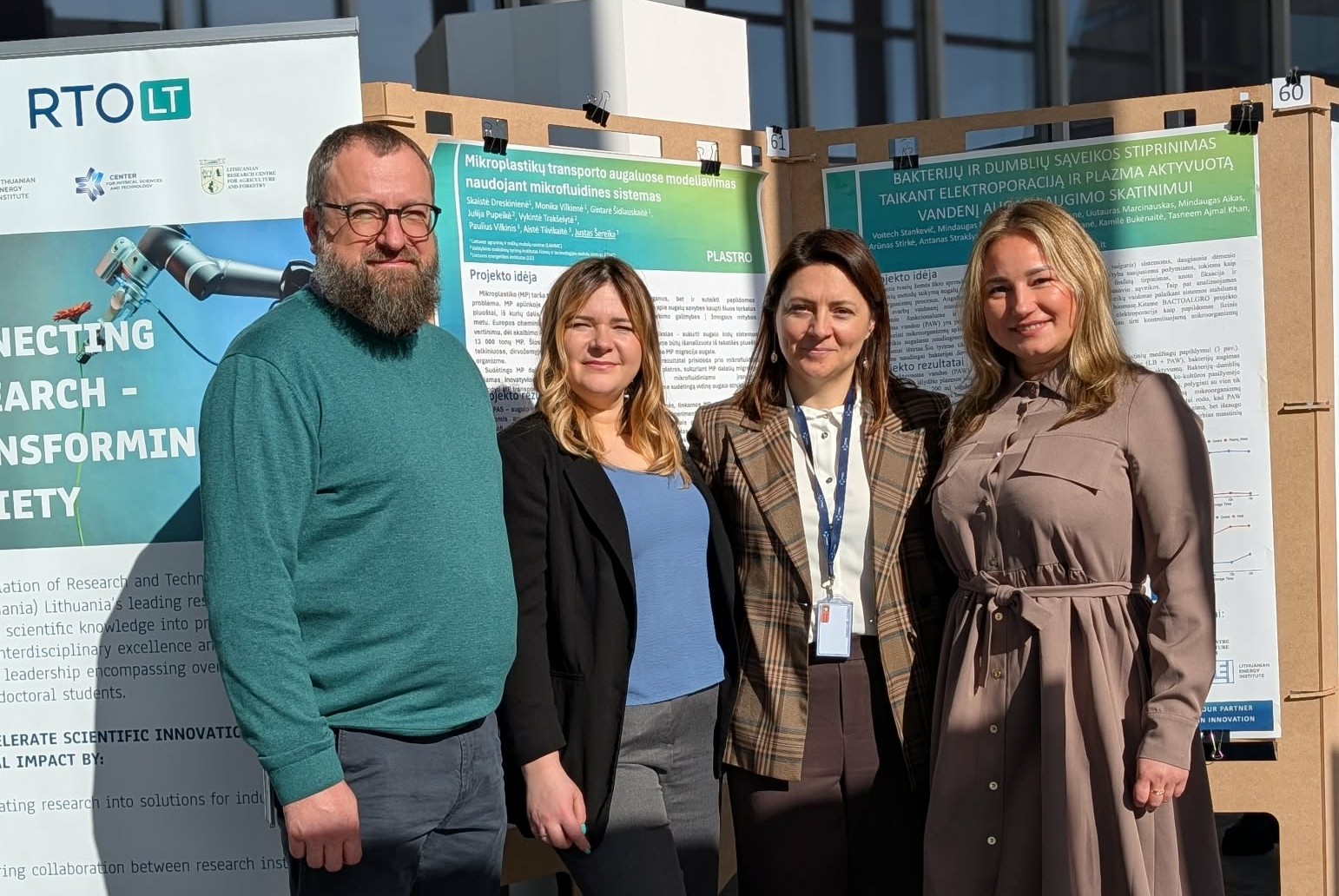
    PLASTRO: “Modeling Microplastic Transport in Plants Using Microfluidic Systems” examines how microplastics move through plant tissues, with a particular focus on buckwheat (Fagopyrum sp.). Using cutting-edge microfluidic technologies, researchers will replicate microplastic migration processes under laboratory conditions. Led by Gintarė Šidlauskaitė (LAMMC), Justas Šereika (LEI), and Julija Pupeikė (FTMC), the project aims to contribute to our understanding of microplastic impacts on agriculture and food security.

    Funding and Timeframe

    Each project has received a total funding of €30,000, with equal contributions of €10,000 from each participating institution. All three projects will run for 12 months, bringing together experts from different scientific disciplines to address pressing environmental challenges.

    “These projects represent significant steps toward developing sustainable environmental technologies through collaborative research,” said Dr. Dovilė Čibiraitė-Lukenskienė, Senior Researcher at FTMC and a Project Manager at RTO Lithuania. “By combining the expertise of our leading research organizations, we are fostering innovation that addresses real-world environmental issues while strengthening Lithuania’s research capabilities.”