Tag: Funding

  • RTO Lithuania at the FTMC Annual Scientific Conference – advancing interdisciplinary science for Europe’s future

    RTO Lithuania at the FTMC Annual Scientific Conference – advancing interdisciplinary science for Europe’s future

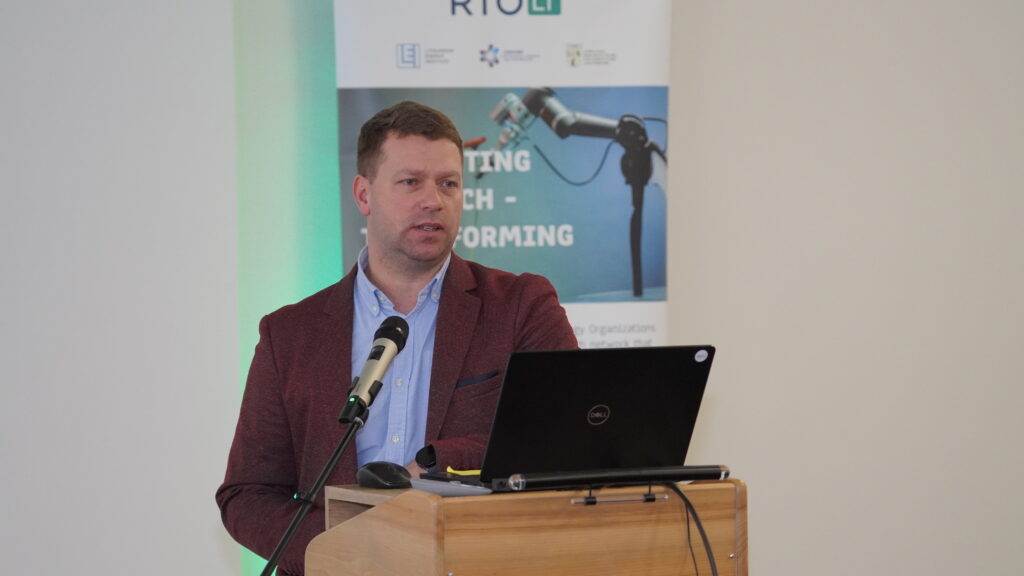
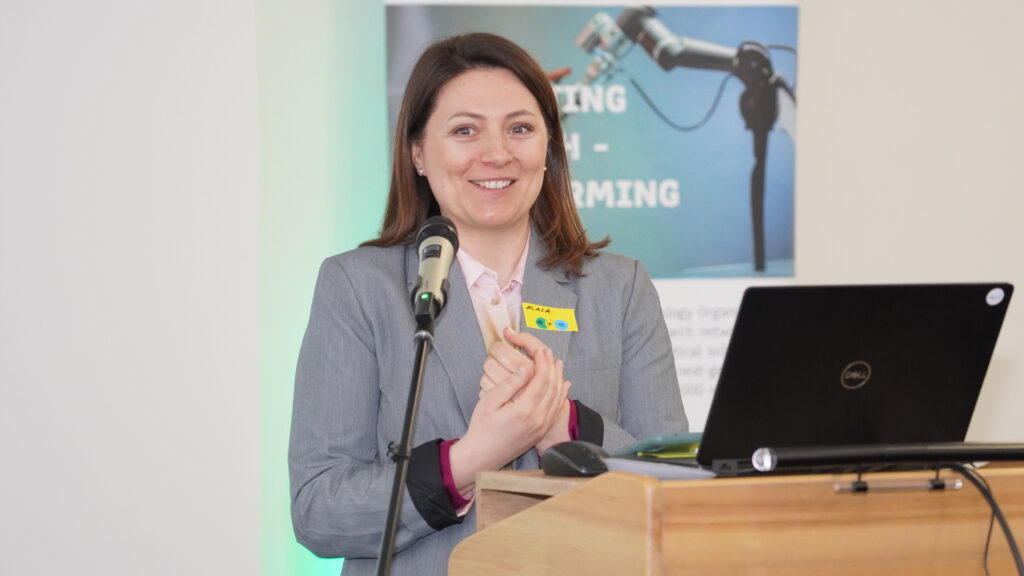
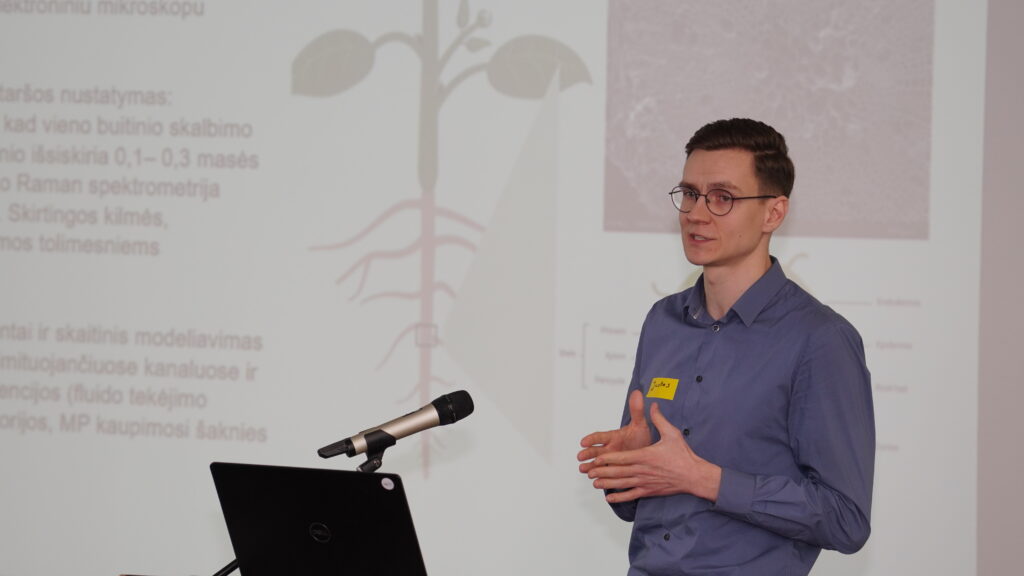
    RTO Lithuania was proud to participate in the annual FizTech conference of the Center for Physical Sciences and Technology (FTMC) – a key event bringing together researchers, policymakers and innovation leaders to discuss the latest advances in science and technology.

    This year’s conference highlighted research across strategically important fields for Europe, including defence technologies, quantum technologies, advanced materials, laser science, renewable energy and climate-related research. These discussions reflect how scientific excellence is increasingly connected with resilience, sustainability and technological sovereignty.

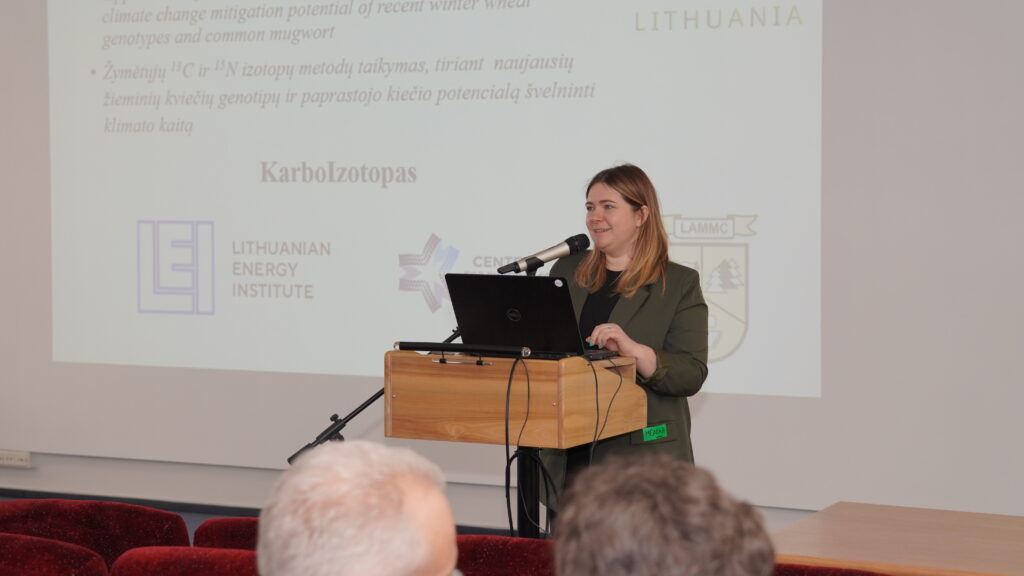
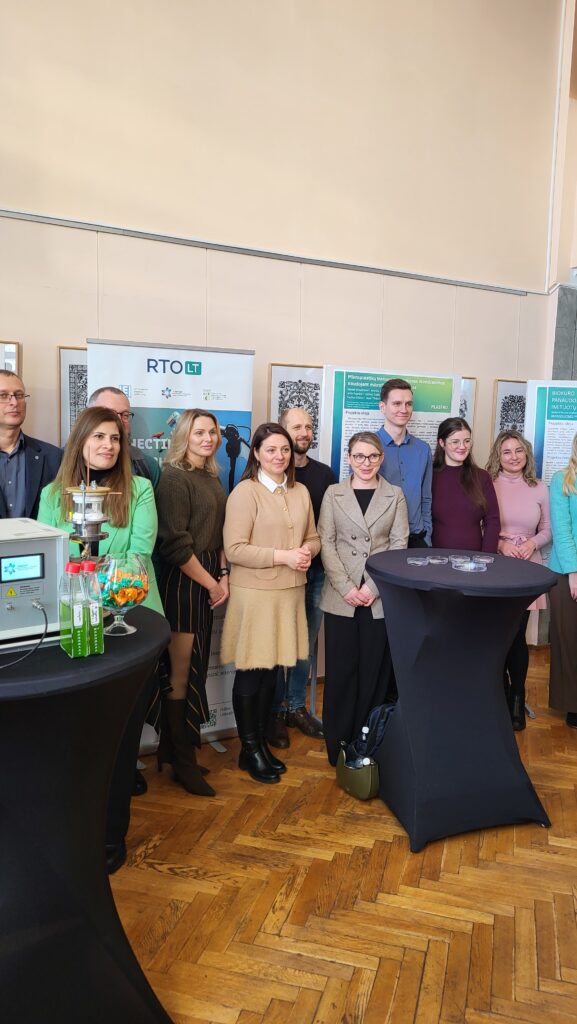
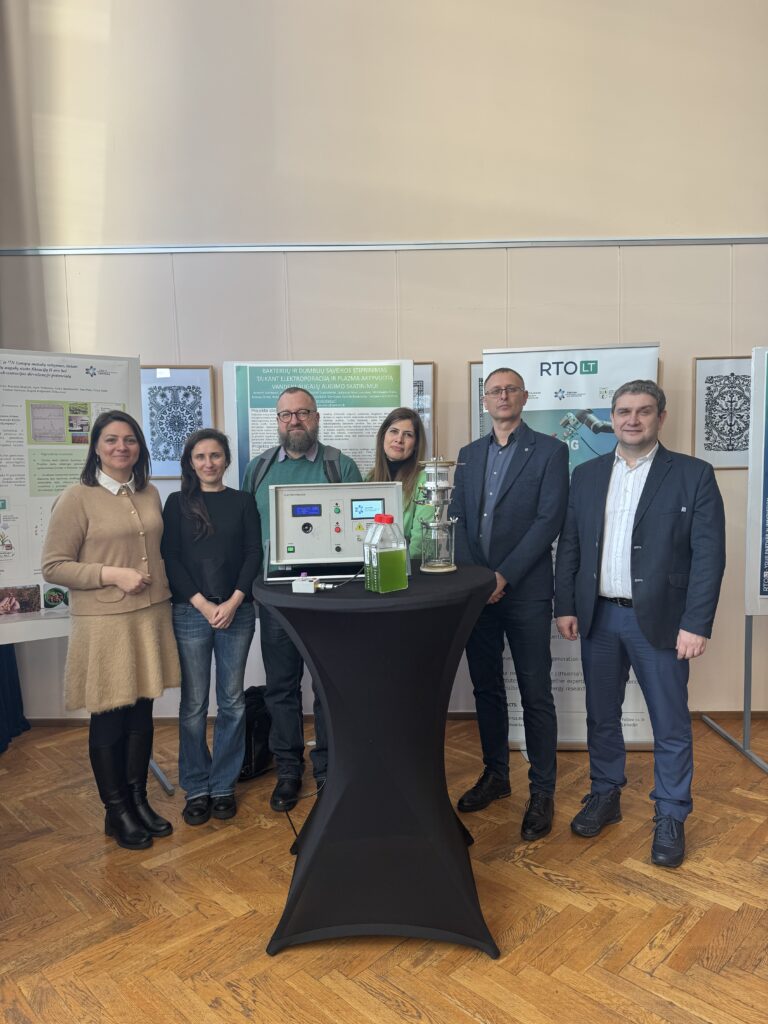
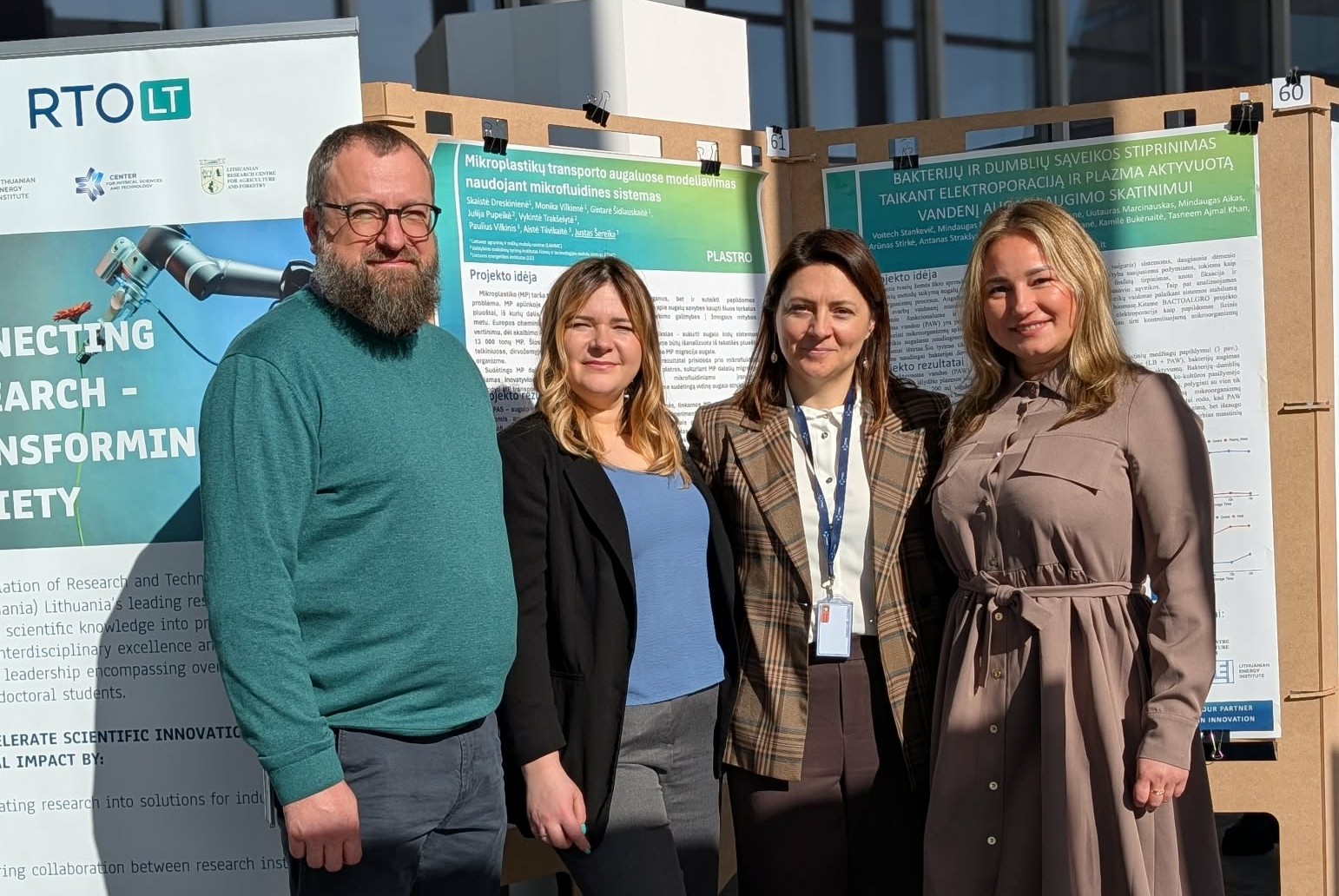
    During the conference, RTO Lithuania presented results from interdisciplinary projects funded through the RTO collaboration framework, demonstrating how cooperation between leading Lithuanian research institutes accelerates impactful science.

    Among the projects showcased:

    • BioDenEta – Assessment of bioethanol potential of hybrid tree clones through advanced dendrometric and chemical analysis (LEI & LAMMC).
    • PLASTRO – Investigation of microplastics transport in plant systems using microfluidic modelling (FTMC, LEI, LAMMC).
    • ¹³C and ¹⁵N isotope methods research – advancing knowledge on biological nitrogen fixation and soil carbon sequestration, supporting climate-smart agriculture and nutrient cycle research.

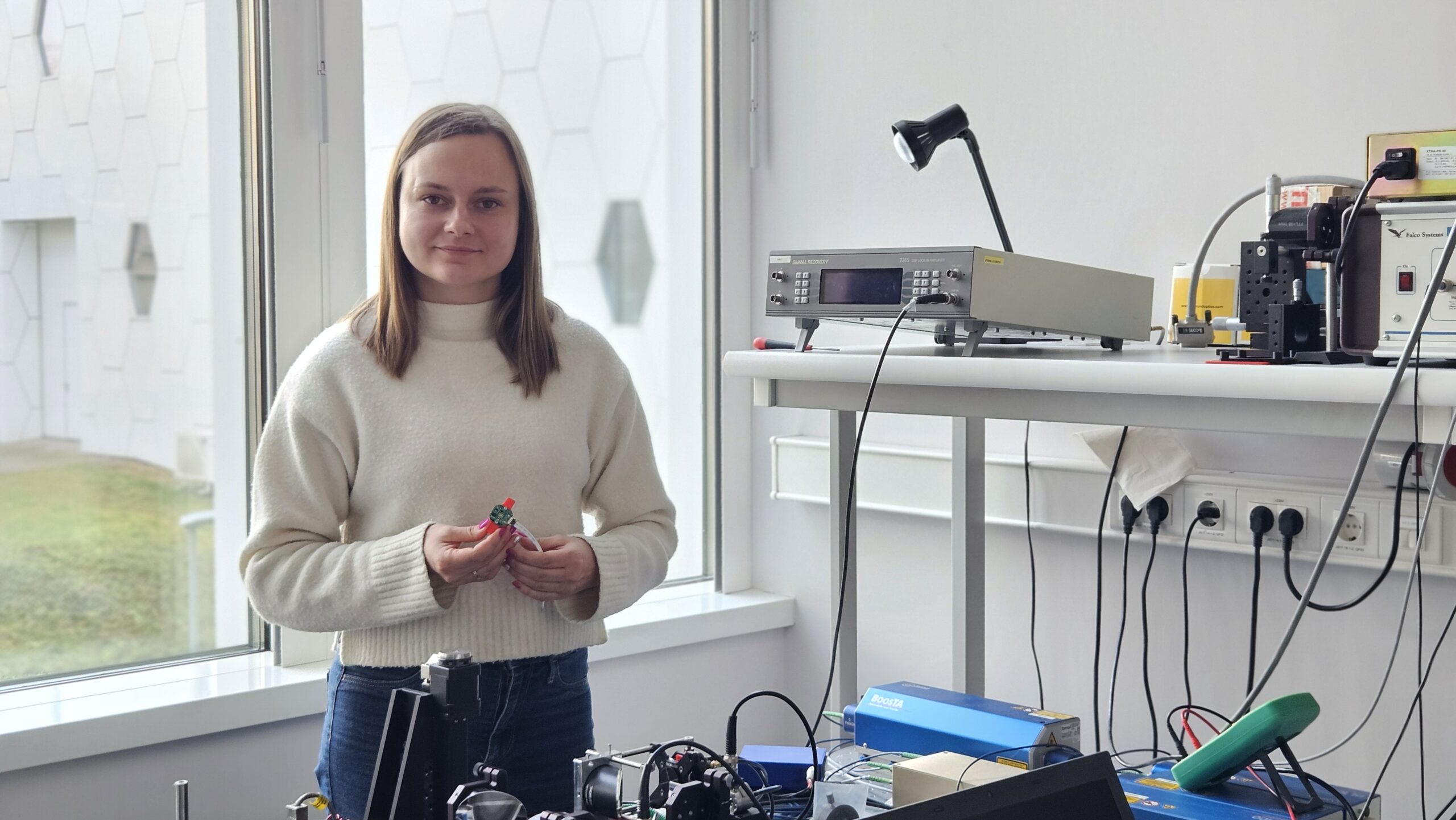
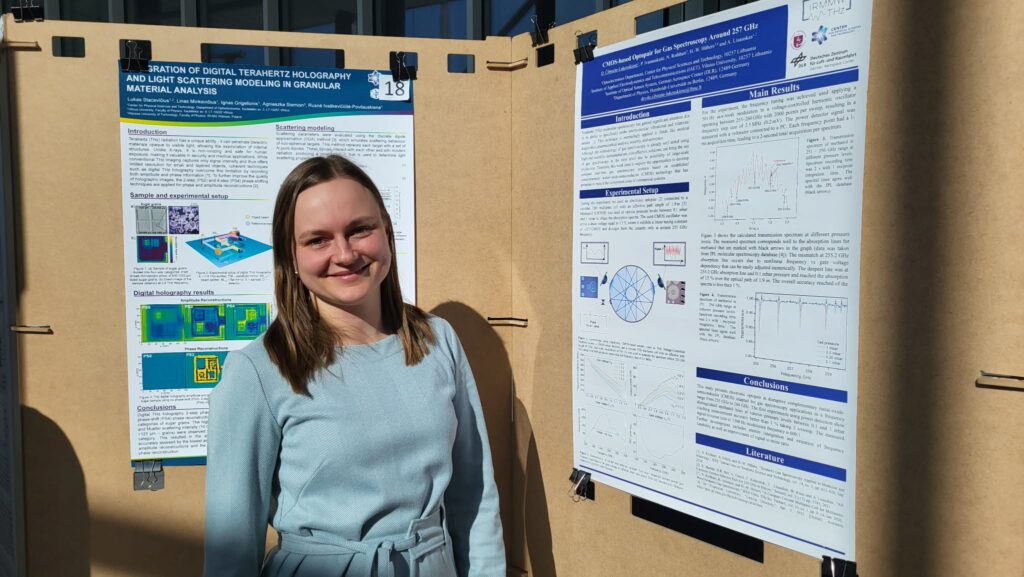
    We are also proud that our RTO expert dr. Dovilė Čibiraitė-Lukenskienė presented her work on optoelectronics applications for gas spectroscopy, as part of a European MSCA PF funded AtSpecTS project contributing to the scientific dialogue with atmosphere research.
    Events like the FTMC conference clearly demonstrate the importance of interdisciplinary collaboration, where teams across various institutes combine expertise to address complex challenges — from energy transition and sustainable agriculture to quantum and defence technologies.

    Congratulations to the FTMC community for organizing such an inspiring event and celebrating outstanding scientists.
  • RTO NEXUS matchmaking: connecting capabilities to accelerate impact

    RTO NEXUS matchmaking: connecting capabilities to accelerate impact

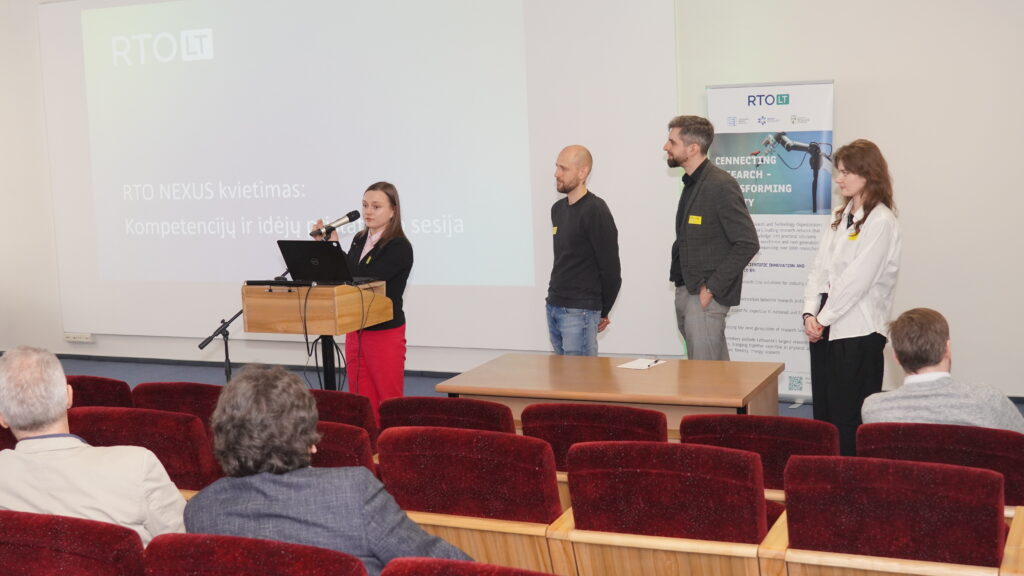
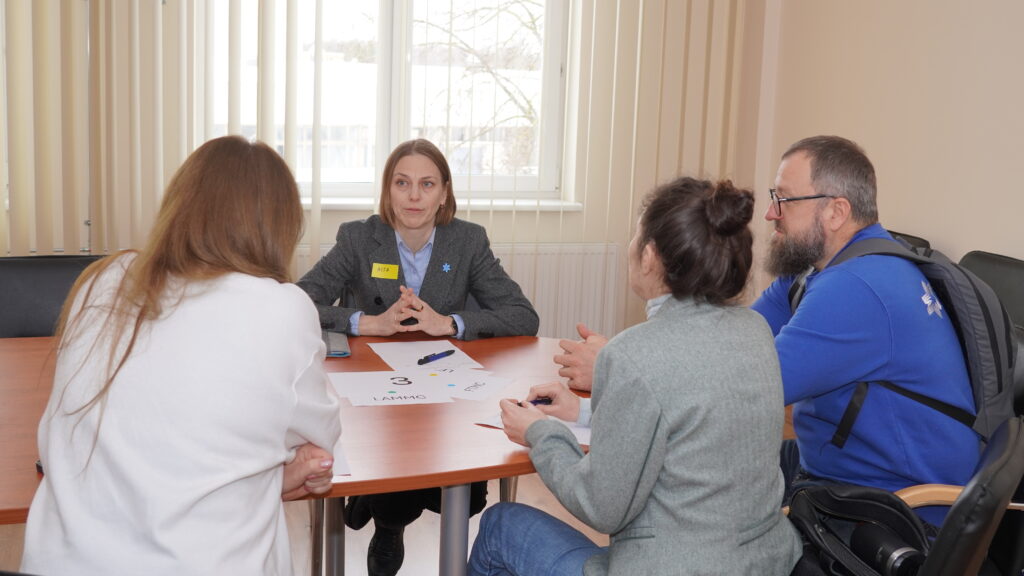
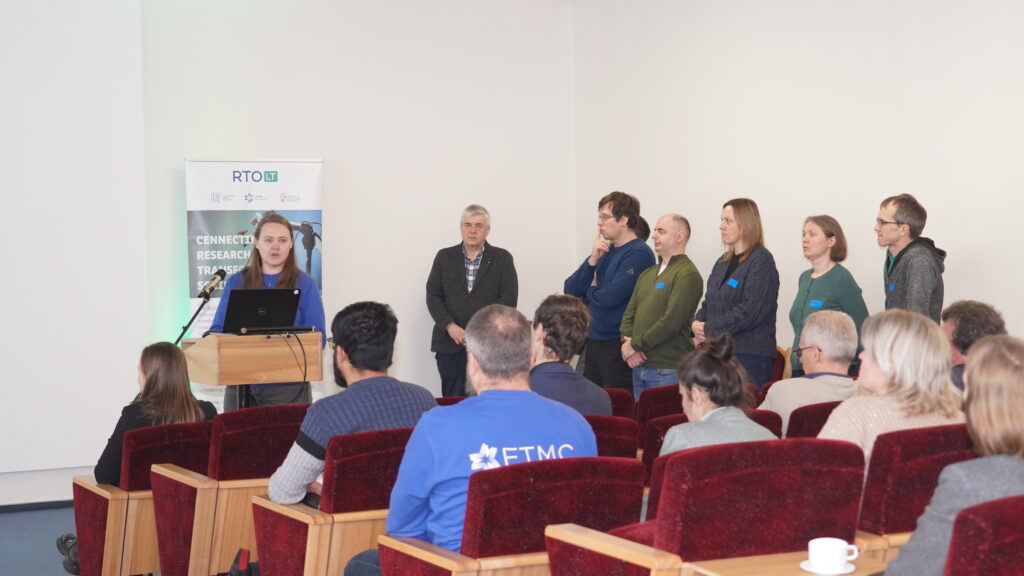
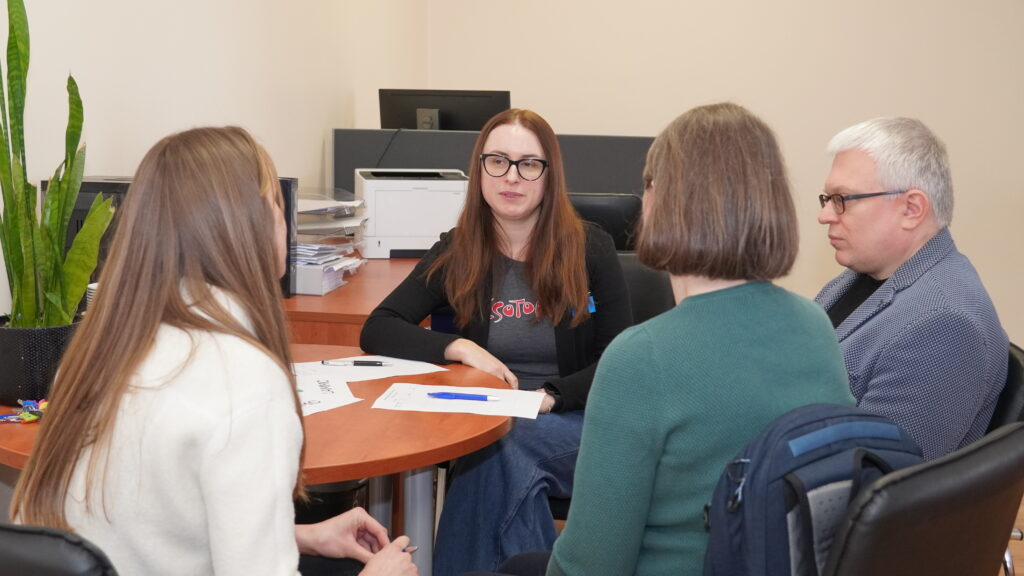
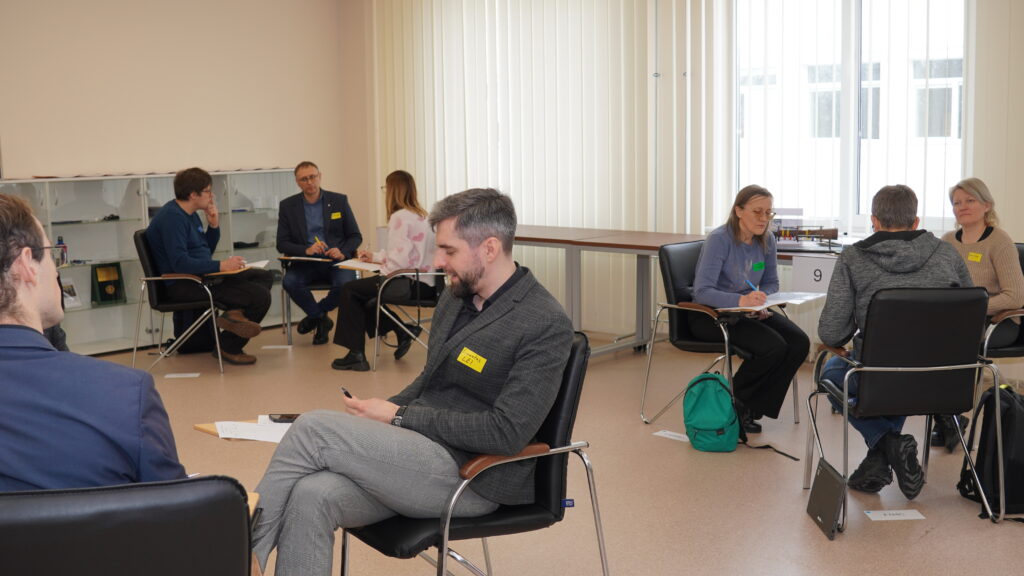
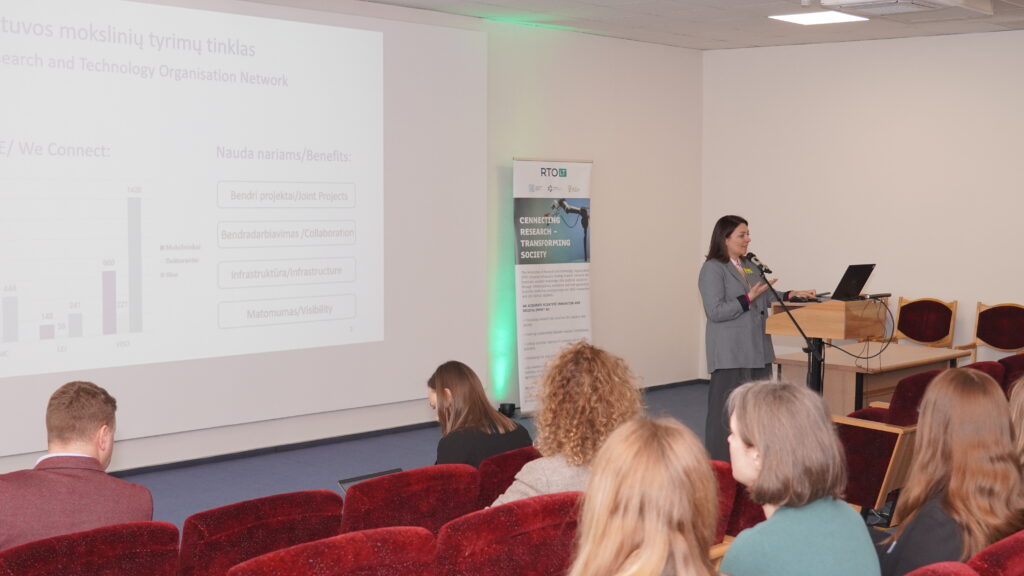
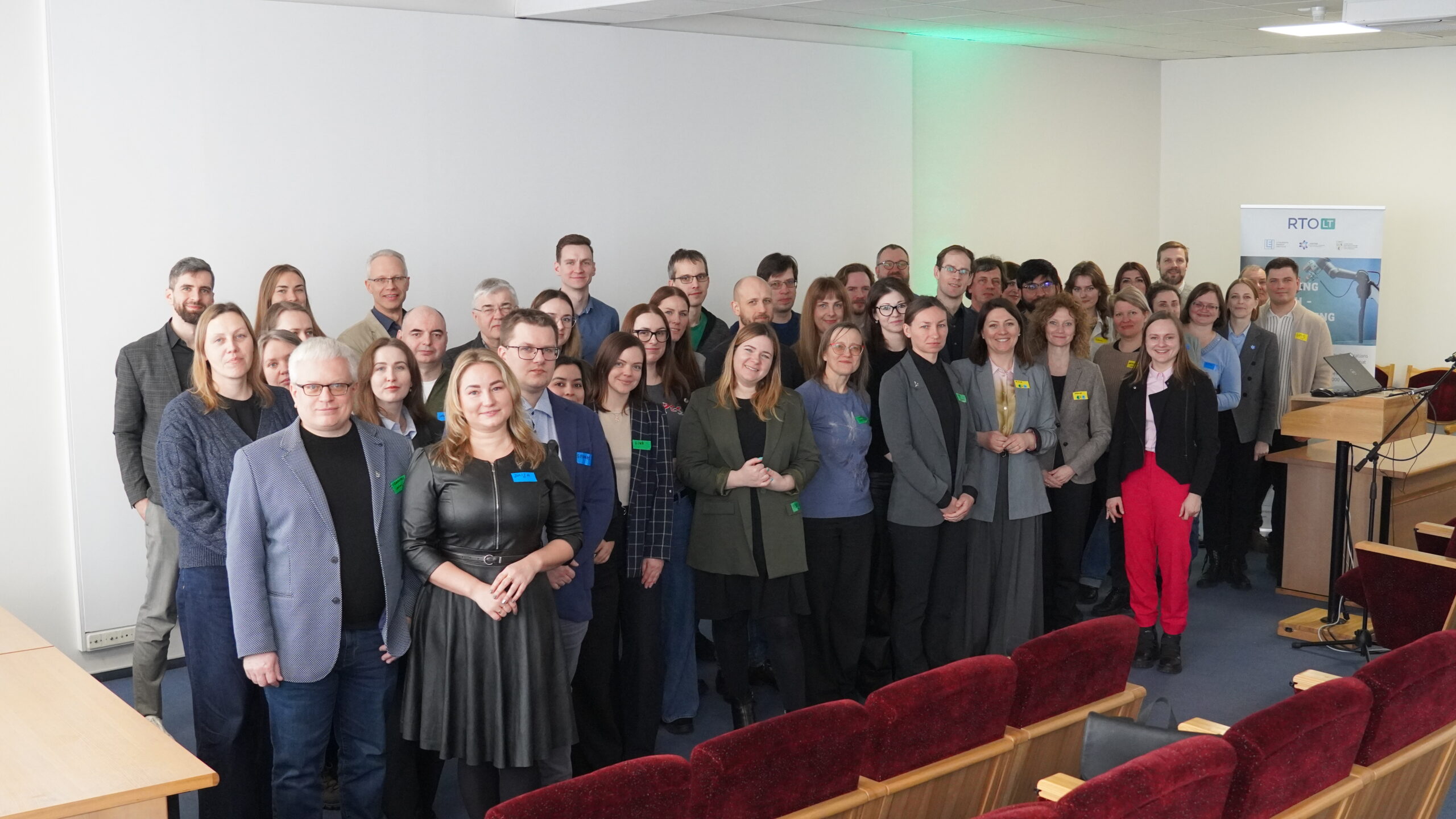
    The Lithuanian Energy Institute (LEI) hosted an RTO NEXUS matchmaking session, bringing together researchers from the Lithuanian Research and Technology Organisation Network (RTO LT) members to build concrete pathways for inter-institutional and interdisciplinary collaboration. 
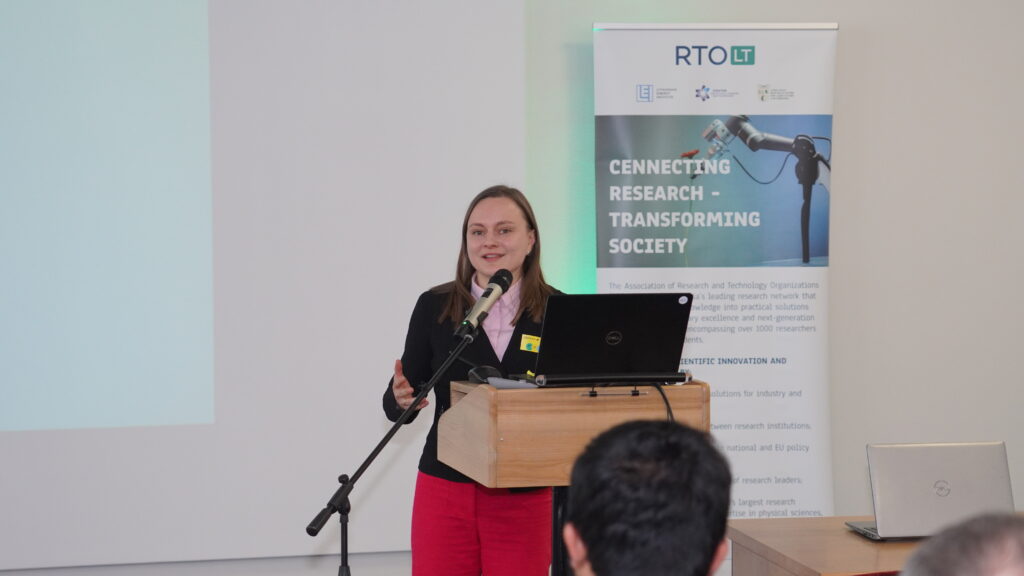
    The session was opened by Dr. Andrius Tamošiūnas, Deputy Director of the Lithuanian Energy Institute (LEI), who welcomed participants and highlighted the strategic value of cooperation for developing competitive project pipelines and strengthening talent development across shared thematic areas.
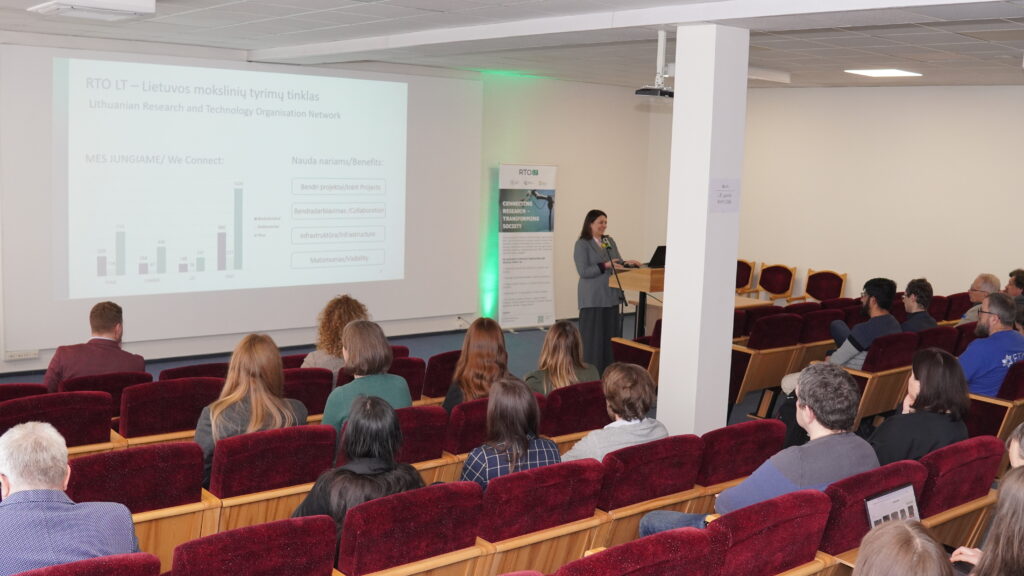
    During the event, the RTO NEXUS call was presented, outlining its purpose and rationale. NEXUS (Latin for “connection”) reflects the core idea of the call: connecting complementary strengths across the Lithuanian Energy Institute (LEI), the Center for Physical Sciences and Technology (FTMC), and the Lithuanian Research Centre for Agriculture and Forestry (LAMMC), so that excellent research ideas can move faster from joint pilot work to scalable solutions. By linking infrastructures, expertise, and perspectives, the network increases the likelihood that strong concepts translate into measurable societal and economic value and mature into competitive national and international R&D&I proposals, including Horizon Europe.
    The programme also featured success stories demonstrating the value of this collaboration model. Prof. Arūnas Stirkė (Center for Physical Sciences and Technology, FTMC), Dr. Justas Šireika (Lithuanian Energy Institute, LEI), and Dr. Monika Toleikienė (Lithuanian Research Centre for Agriculture and Forestry, LAMMC) shared how joint pilot research in jointly developed topics helped attract new projects and talents.
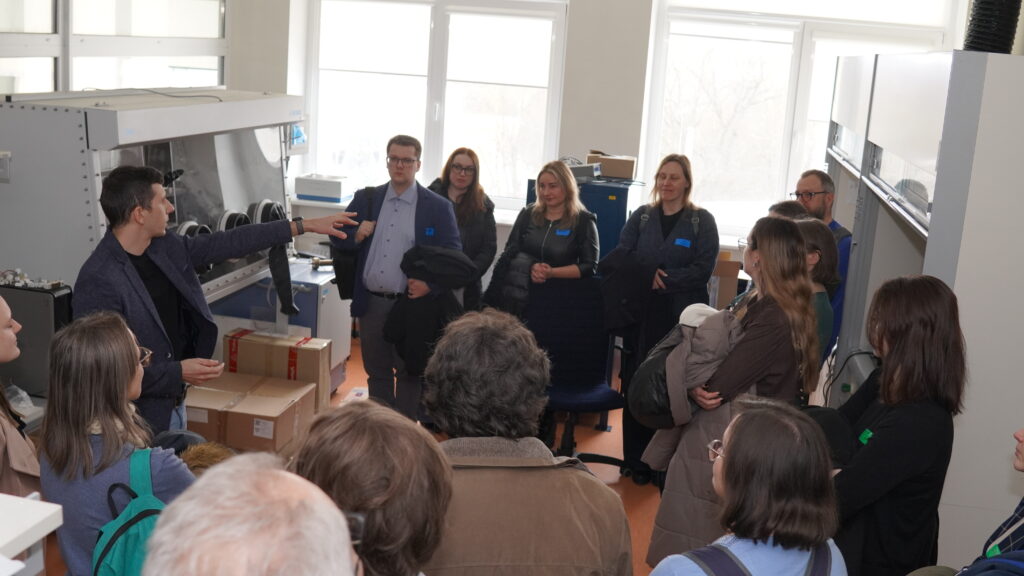
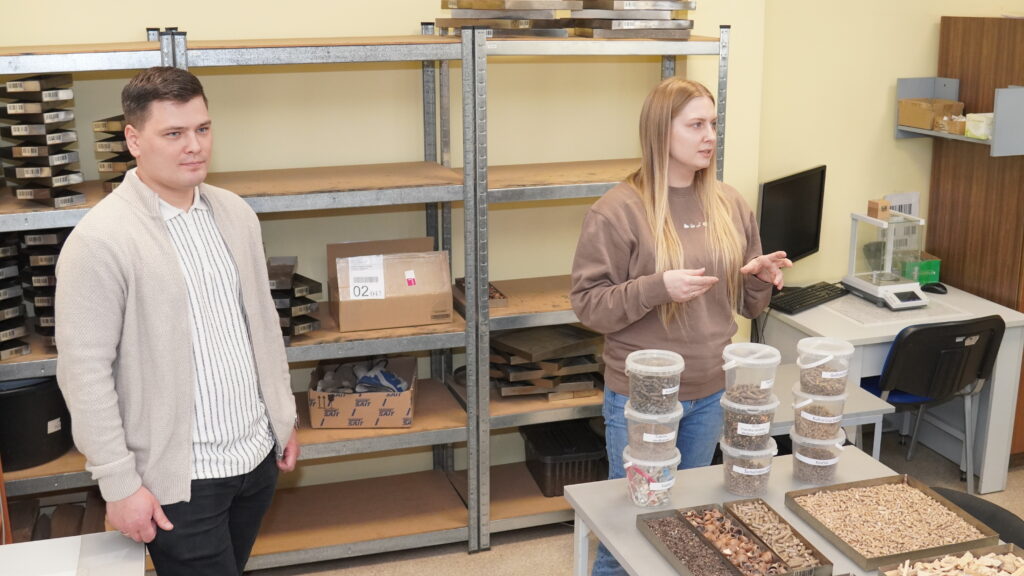
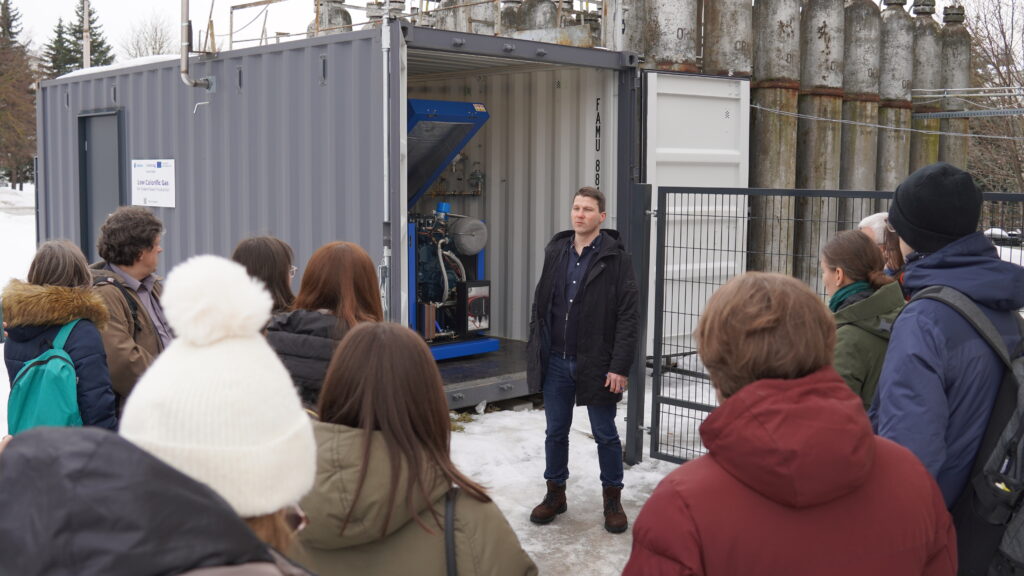
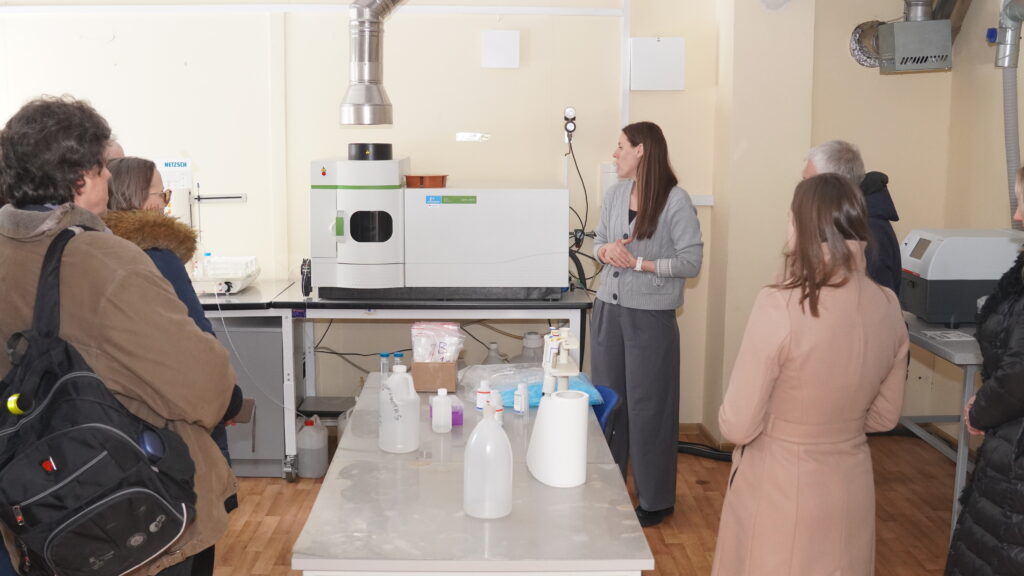
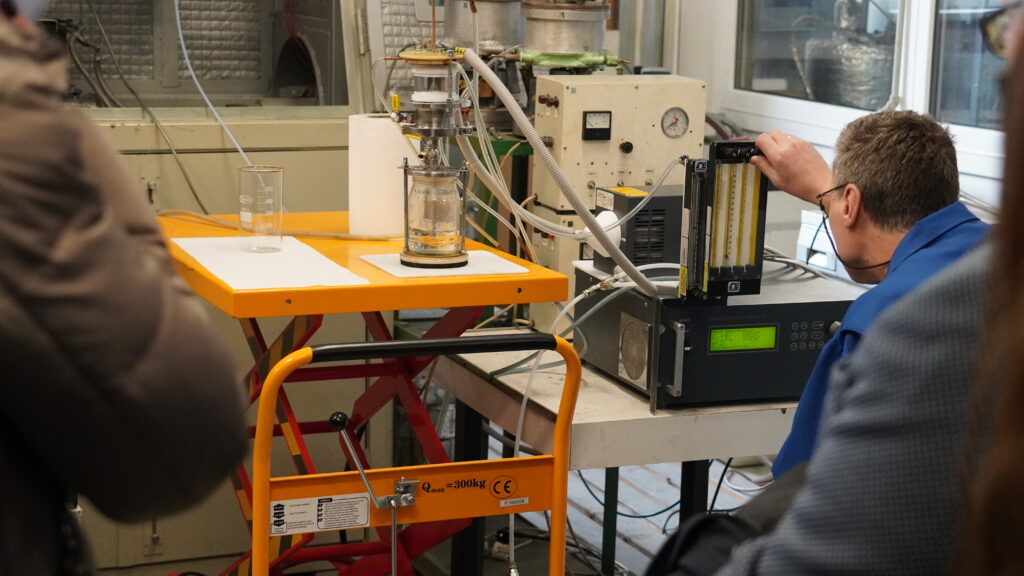
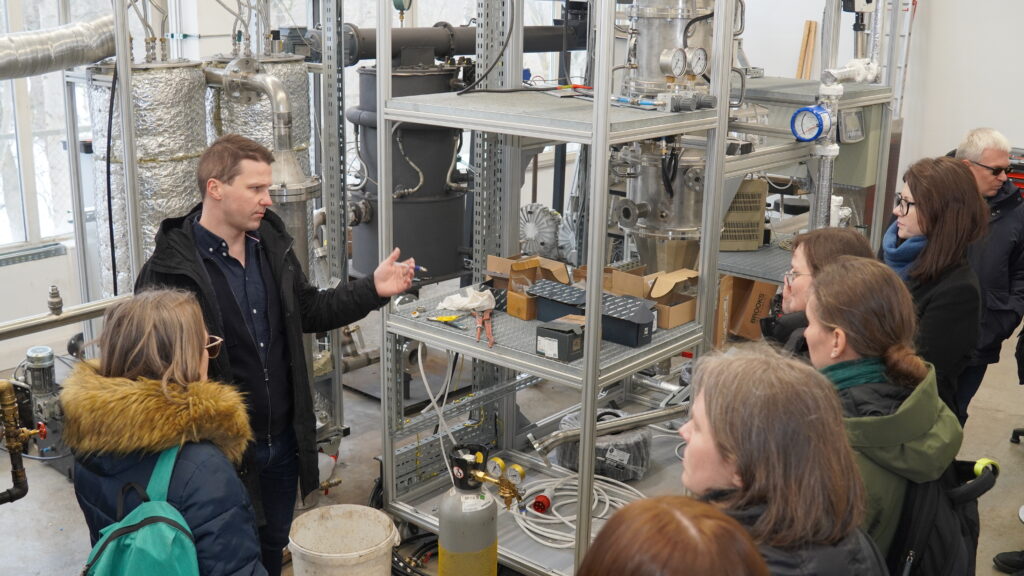
    Participants also visited LEI’s key research infrastructure, including the Center for Hydrogen Energy Technologies, the Laboratory of Combustion Processes, the Plasma Processing Laboratory, and the Laboratory of Heat-Equipment Research and Testing, where LEI researchers presented ongoing research activities and capabilities, highlighting potential collaboration entry points.
    The session confirmed that this collaboration format is highly relevant and still holds significant untapped potential for future initiatives.

    Apply for the call here:

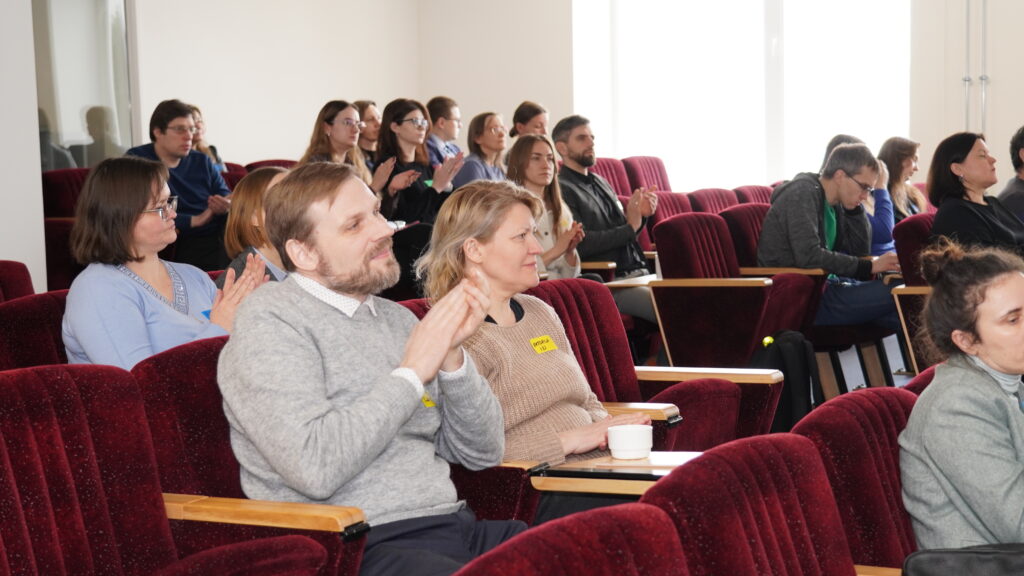
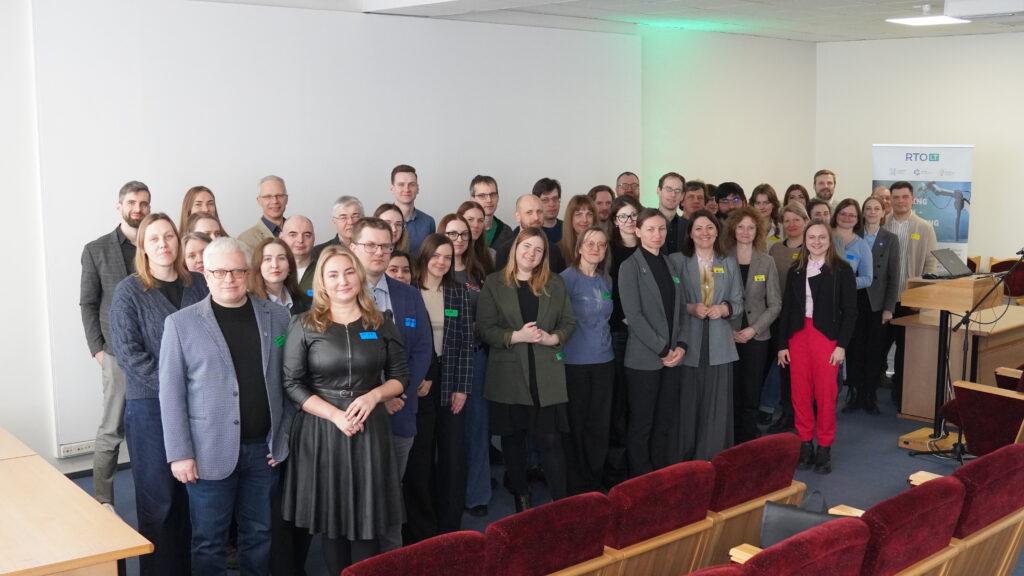
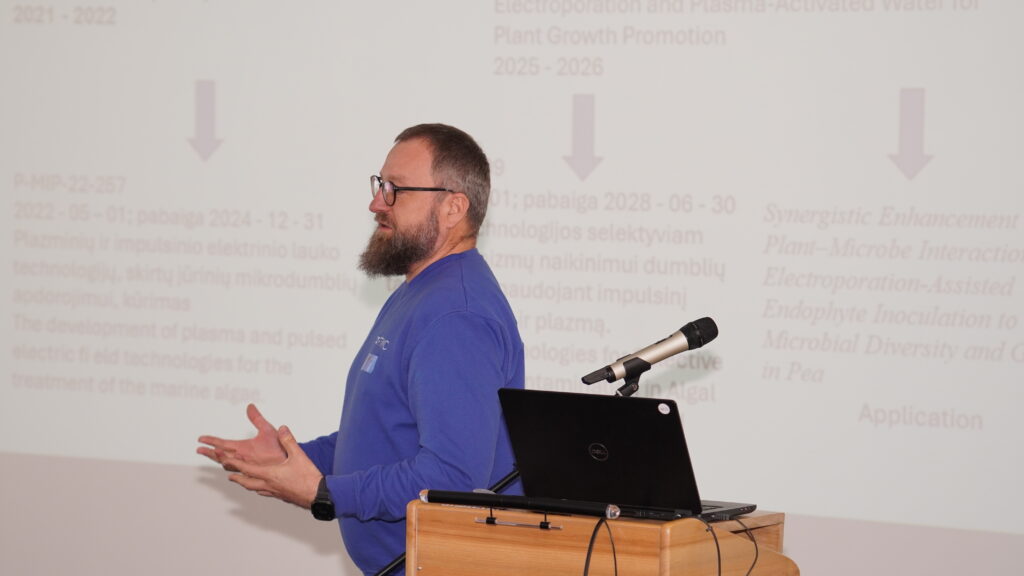
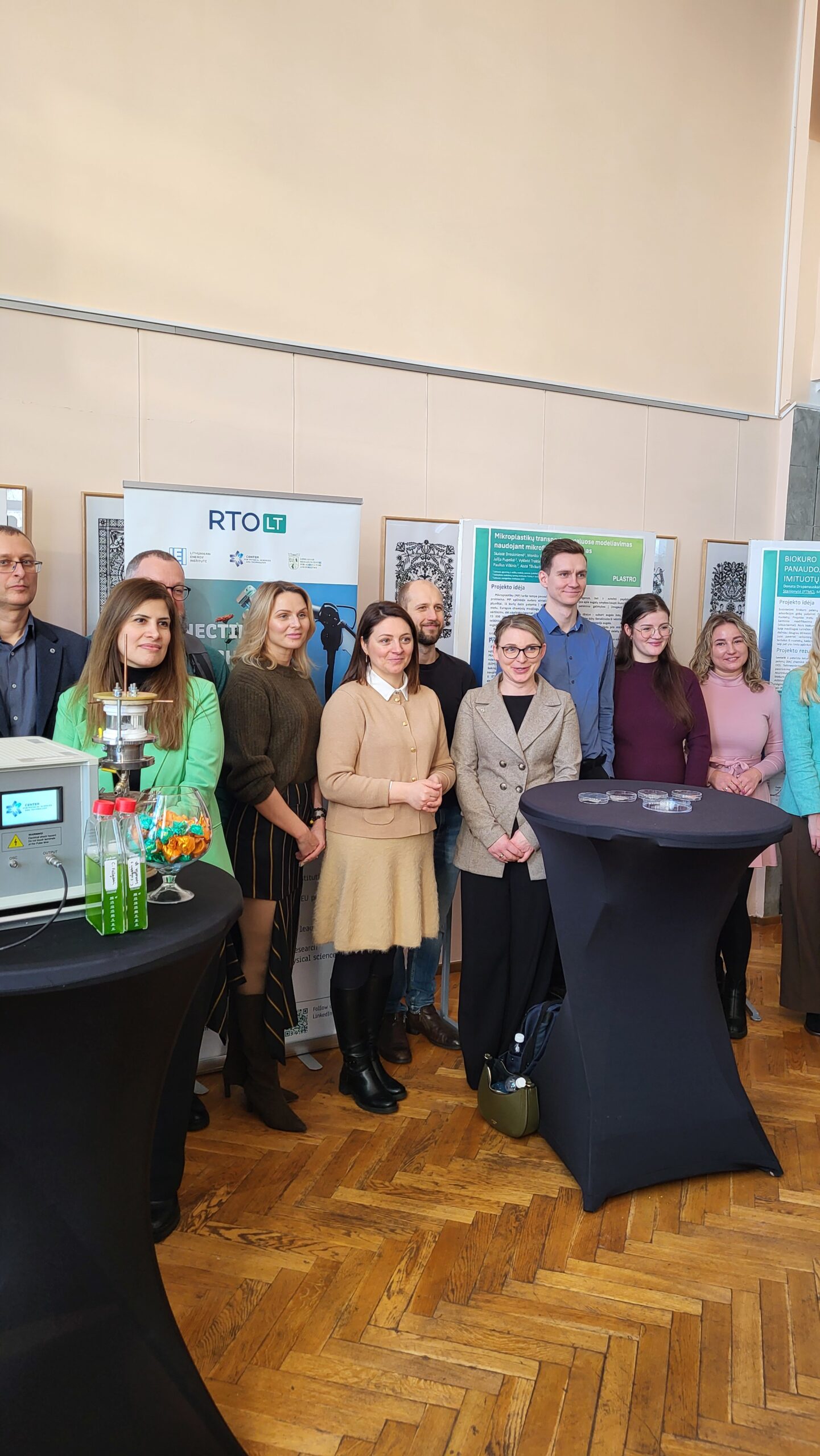
    Some moments from the event:

  • Explore Transdisciplinary Research Opportunities in Lithuania

    Explore Transdisciplinary Research Opportunities in Lithuania

    RTO Lithuania recently hosted a dedicated information event bringing together 70 researchers from the Lithuanian Energy Institute (LEI), the Lithuanian Research Centre for Agriculture and Forestry (LAMMC), and the Center for Physical Sciences and Technology (FTMC). Together, these institutes represent key research sectors in energy and sustainability, agriculture and forestry, environmental sciences, advanced materials, physics, chemistry, and high-tech engineering.

    The event aimed to promote transdisciplinary research, strengthen collaboration across institutions, and position Lithuania as an attractive destination for high-level researchers seeking to work at the intersection of science, innovation, and societal impact.

    For RTO Lithuania, the event marked an important step in actively engaging the national research community and encouraging researchers to think beyond traditional disciplinary boundaries. Participants were introduced to the Association’s mission, strategic priorities, and instruments designed to support ambitious research ideas that connect physical, technological, environmental, and life sciences.


    MSCA Postdoctoral Fellowships as a Gateway to Research Careers in Lithuania

    A key focus of the information event was the presentation of Marie Skłodowska-Curie Actions Postdoctoral Fellowships (MSCA PF) as a strategic opportunity for attracting excellent researchers to Lithuania. RTO Lithuania highlighted MSCA PF as an important tool for supporting individual research careers while strengthening institutional collaboration and international mobility.

    Researchers from LEI, LAMMC, and FTMC were introduced to the main features of the MSCA PF scheme, including its emphasis on scientific excellence, researcher-driven project ideas, intersectoral and interdisciplinary approaches, and international experience. The discussion focused on how Lithuania’s research institutions can act as strong host organisations, offering access to advanced research infrastructures, complementary expertise, and supportive research environments across the following fields:

    • energy systems,
    • agri-food and forestry,
    • climate research,
    • materials science,
    • photonics and optoelectronics, and
    • other emerging technologies.

    The event also encouraged researchers to consider MSCA PF as a mechanism for building long-term collaboration between Lithuanian institutions and international research networks, while contributing to the development of transdisciplinary research topics aligned with national and European priorities.


    Connecting Institutions and Supporting Future Collaborations

    By bringing together researchers from LEI, LAMMC, and FTMC, the information event fostered dialogue on potential joint supervision, shared research agendas, and coordinated support for MSCA PF applications. RTO Lithuania emphasised its role in facilitating these connections and supporting researchers throughout the proposal development process.

    Beyond research opportunities, Lithuania offers an attractive living environment for international researchers, combining a high quality of life, affordable living costs, vibrant cities, rich nature, and a safe, family-friendly society with a growing international community.

    Are you currently working or studying abroad and close to completing your PhD? Have you considered returning to—or coming to—Lithuania for your next career step? If you are interested in developing your own research idea within a strong transdisciplinary environment, RTO Lithuania invites you to explore MSCA Postdoctoral Fellowship opportunities at LEI, LAMMC, or FTMC until 15th of June. The proposal submission deadline for MSCA FP is on 09.09.2026. If you have any questions, you can easily find our contacts in the contact section.

    Connecting Research. Transforming Society.

  • RTO NEXUS CALL is now open!

    RTO NEXUS CALL is now open!

    Three Lithuanian RTOs members – the Center for Physical Sciences and Technology (FTMC), Lithuanian Energy Institute (LEI), and the Lithuanian Research Center for Agriculture and Forestry (LAMMC) – have announced an annual joint call for pilot research projects. This year it is coming under a new name RTO NEXUS CALL. The initiative aims to foster the interdiscplinary and cross-institutional collaboration between three RTO members in addressing key national and societal challenges for a sustainable, climate-resilient and secure society. Check the call information here:

    The call offers funding of up to €30,000 per project (€10,000 for each research group). Projects must involve researchers from all three participating institutions. Successful projects are expected to result in high-impact scientific publications and lead to a further follow-up – the submissions for national and international R&D&I funding calls, thus providing a launch pad for emerging ideas that can have longer impact.

    We invite you to prepare for this call and meet us and other participants in a matchmaking event that will take place on February 27th at 10 am – 1 pm at the LEI premises, address Breslaujos 3, Kaunas. During the event, you will have the opportunity to:

    • get acquainted with RTO activities and current NEXUS call,
    • hear success stories and lessons learned from previous years,
    • establish direct contacts for potential collaboration,
    • learn about the competencies and infrastructure of the laboratories.

    We believe this event will be a great opportunity to find suitable partners and initiate new interinstitutional project activities. Please register for the partnership matchmaking event till 21st of February.

    2026 RTO NEXUS CALL documents:

    Contact persons:

  • RTO Lithuania Showcases Interdisciplinary Research and Funded Projects at the LAMMC National Scientific Conference

    RTO Lithuania Showcases Interdisciplinary Research and Funded Projects at the LAMMC National Scientific Conference

    Last week, the Lithuanian Research Centre for Agriculture and Forestry (LAMMC) hosted a national scientific conference that attracted strong interest from the research community, policymakers, practitioners, and farmers, focusing on sustainable soil management, climate-smart agriculture, and applied environmental research.

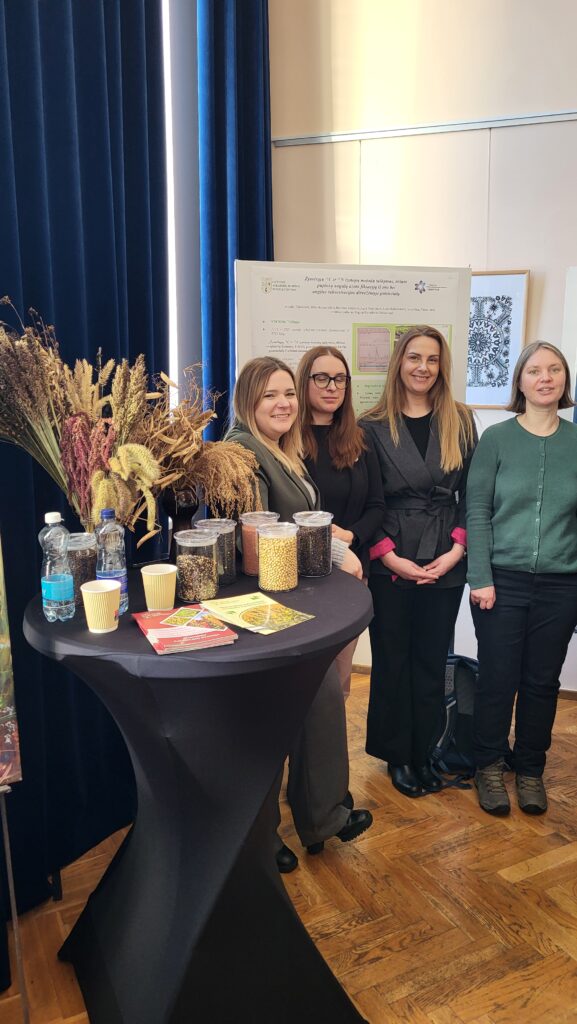
    For the first time, RTO Lithuania participated in the conference not only by presenting its mission and activities, but also together with interdisciplinary research teams that were implementing projects funded through the Association activities. This joint participation highlighted RTO Lithuania’s role as a national platform connecting research excellence across institutions and disciplines.

    During the conference, RTO Lithuania introduced its mission to connect research and transform society by fostering collaboration between leading Lithuanian research institutes and accelerating the translation of scientific knowledge into solutions addressing societal, environmental, and economic challenges.

    RTO-Funded Interdisciplinary Research Projects

    As part of the poster session, RTO Lithuania showcased four interdisciplinary research projects, implemented jointly by its member organisations and funded through the Association’s internal competitive calls:

    PACE – Drone-Based Remote Detection of Gas Leaks
    The PACE project addresses critical infrastructure safety by exploring the use of unmanned aerial vehicles for detecting gas leaks from pipelines. The project integrates modelling expertise from the Lithuanian Energy Institute (LEI), field experimentation by LAMMC, and sensor technologies developed at the Center for Physical Sciences and Technology (FTMC). Key objectives include the development of UAV flight-planning algorithms and the validation of mathematical models predicting gas dispersion under varying climatic conditions.

    BioDenEta – Bioethanol Potential of Hybrid Tree Clones
    BioDenEta focuses on dendrometric analysis and chemical characterisation of Populus hybrid clones to assess their suitability for bioethanol production under Lithuanian climatic conditions. Implemented jointly by LEI and LAMMC, the project involves detailed chemical analyses of wood samples from 109 hybrid clones using thermogravimetric analysis and calorimetry to estimate their bioenergy potential.

    PLASTRO – Microplastics in Plant Systems
    The PLASTRO project investigates the transport of microplastics within plant systems using advanced microfluidic modelling. Addressing growing global concerns about microplastics entering the food chain, the project represents a cutting-edge intersection of physical and biological sciences, with contributions from FTMC, LEI, and LAMMC.

    Application of ¹³C and ¹⁵N Isotope Methods to Study Biological Nitrogen Fixation and Soil Carbon Sequestration
    This project was an outstanding example for sucsessuful collaboration in the year of 2024. It applies stable isotope techniques to investigate nitrogen fixation in leguminous crops and to assess soil carbon sequestration potential. The research provides valuable insights into nutrient cycling processes and the role of agricultural systems in climate change mitigation.

    Strengthening Collaboration and Looking Ahead

    By participating in the conference, RTO Lithuania reinforced its role as a trusted platform for interdisciplinary research, dialogue between science and practice, and collaboration across institutional and sectoral boundaries. The event also enabled direct engagement with stakeholders from agriculture, forestry, and environmental management, creating opportunities for future joint initiatives and applied research partnerships.

    Later this week, RTO Lithuania will announce a call opening for this years interdisciplinary research ideas competition under a new name RTO NEXUS. The upcoming call will invite research teams to develop ambitious, cross-disciplinary project ideas addressing key societal challenges. Registration details will be published soon.

    Connecting Research. Transforming Society.

  • Lithuanian Light-Based Technologies Open New Paths for Stratospheric Research

    Lithuanian Light-Based Technologies Open New Paths for Stratospheric Research

    The stratosphere plays a vital role in protecting Earth from harmful ultraviolet radiation and stabilising the climate, yet many of its processes remain poorly understood. Now, Lithuanian researchers are contributing to efforts to monitor this important atmospheric layer more precisely.

    We are proud that RTO Lithuania expert and FTMC physicist Dr Dovilė Čibiraitė-Lukenskienė is developing compact terahertz (THz) sensors designed to analyse the composition of stratospheric gases. Operating in the 2–5 THz frequency range, the sensors can detect unique spectral “fingerprints” of gases such as carbon dioxide, nitrogen oxides and ozone, providing detailed insight into atmospheric changes linked to climate change.

    Unlike existing bulky and expensive instruments, the new sensors are designed to be installed in the next-generation lightweight spectroscopy systems that will be suitable for deployment on scientific balloons, enabling measurements at higher altitudes in the stratosphere. This European project is being developed in collaboration with partners from the German Space Agency, the University of Leeds, and the Technical University of Munich.

    The full article by Simonas Bendžius:

    Funded by the European Union (Project 101244503 – AtSpecTS). The views and opinions expressed are those of the author only and do not necessarily reflect those of the European Union. The European Union cannot be held responsible for them.

  • Lithuania Sets Strategic Priorities Ahead of the EU’s FP10 Negotiations

    Lithuania Sets Strategic Priorities Ahead of the EU’s FP10 Negotiations

    Recently, Lithuania has published its official position on the upcoming 10th European Union Framework Programme for Research and Innovation (FP10), outlining key priorities for strengthening European research, innovation, competitiveness, and strategic autonomy.

    Approved by the Government and presented by the Ministry of Education, Science and Sport, Lithuania’s position stresses that FP10 should continue to serve as the backbone of the European Research Area (ERA) and the EU’s global competitiveness, while better synchronizing with other EU, national, and regional funding instruments.

    • Boosting Knowledge Creation: Lithuania urges increased funding for fundamental research, including support for frontier science, social sciences, humanities, and arts, with mechanisms such as “Research Actions” for curiosity-driven projects at lower Technology Readiness Levels (TRLs). The country also emphasizes maintaining flagship instruments like the European Research Council and Marie Skłodowska-Curie Actions to strengthen research careers and collaboration.
    • R&D of strategic Technologies & Dual-Use: In light of evolving geopolitical challenges, Lithuania calls for enhanced support for research and development in critical and dual-use technologies while ensuring this support is carefully coordinated across the EU’s Multiannual Financial Framework.
    • International Cooperation & Research Security: The position endorses a balanced international collaboration approach “as open as possible and as closed as necessary” to deliver EU-led innovative solutions to global challenges. It also advocates revisiting open science policies to respond to current security needs.
    • Strategic Inclusion of Candidate Countries: Recognizing the strategic importance of enlargement, Lithuania proposes tailor-made integration measures for candidate countries like Ukraine and Moldova, including rebuilding and integrating their research and innovation ecosystems into the ERA.

    Lithuania highlights the importance of broadening participation in FP10:

    • Restructuring the Widening agenda to mainstream capacity-building across all pillars of the programme.
    • Funding more diverse project types — including smaller collaborative projects to enhance participation.
    • Streamlining administrative processes with tools such as lump-sum financing and blind evaluation to reduce biases and barriers.

    Lithuania’s position arrives as EU member states and stakeholder organizations prepare their inputs ahead of negotiations on FP10, which is expected to become the EU’s flagship research and innovation programme for 2028–2034.

  • EARTO celibrates 25 years shaping European R&D&I Policy

    EARTO celibrates 25 years shaping European R&D&I Policy

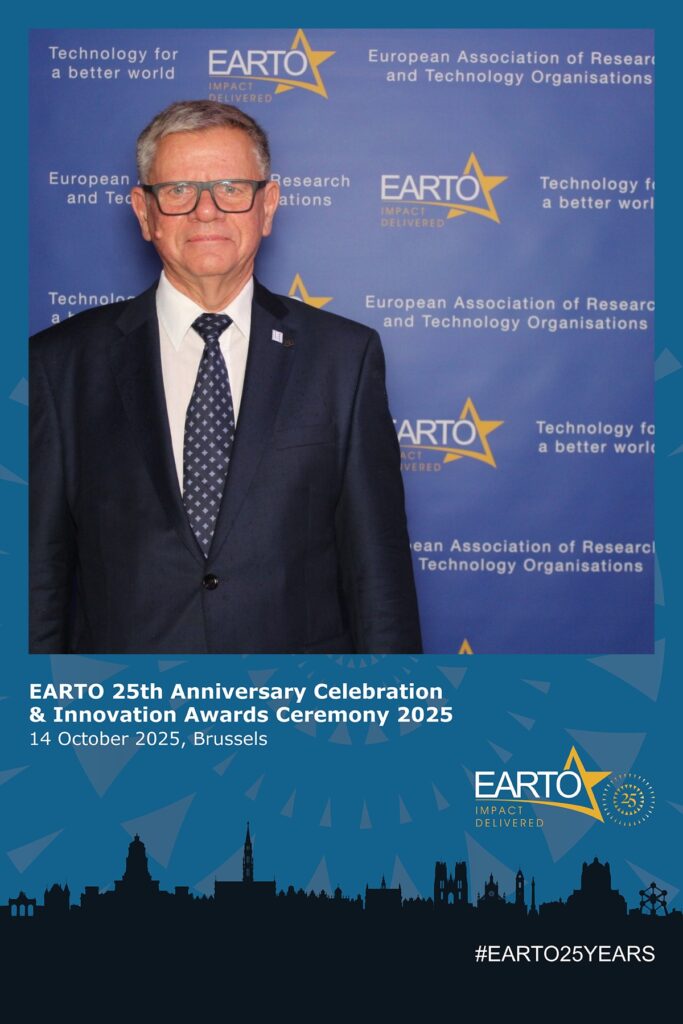
    On October 14, 2025, our representative Dr. S. Rimkevičius participated in the EARTO (European Association of Research and Technology Organisations) Board Meeting and the EARTO Innovation Awards event, which was held alongside the celebration of EARTO’s 25th anniversary. The event was attended by Markus J. Beyrer from BusinessEurope, and Manuel Aleixo, Alexandr Hobza, and Christian Ehler from European Commission.

    During the Board Meeting, recommendations were presented concerning the European Commission’s proposal for the new funding period (2028–2034) of the EU’s research and innovation program Horizon Europe and the European Competitiveness Fund. The importance of these programs for Lithuania was also emphasized by Dr. S. Rimkevičius.

    EARTO unites 350 non-university research centers from 32 countries (including associated EARTO members from non-EU countries) and plays an active role in shaping EU science policy and representing the interests of non-university research institutes and centers.

    EARTO Proposals to the European Commission

    Proposal 1. EARTO points out that despite the expected increase in funding for collaborative R&D&I projects (Pillar II) in the new Horizon Europe program, this increase is smaller compared to other program pillars, accounting for only 43% of the program’s budget. EARTO proposes restoring the proportion from the previous program and allocating 60% of the budget to collaborative R&D&I projects, taking into account Europe’s strategic priorities related to technological sovereignty across key industrial sectors and value chains.

    Proposal 2. EARTO proposes increasing funding for research and technology infrastructures to ensure that Europe remains globally competitive. While the European Commission’s proposed €10.9 billion budget for research and technology infrastructures is welcomed, it does not meet actual needs. A recent European Investment Bank study estimated that the funding requirement for technology infrastructures alone in Europe will reach €13–16 billion by 2030.

    Relevance of the Proposals to Lithuania

    Preliminary discussions with RTO Lithuania partners and representatives of the Lithuanian Research Council revealed that these EARTO recommendations are also highly relevant to Lithuania. The country receives the majority of its Horizon Europe funding through collaborative R&D&I projects (Pillar II). Nevertheless, strengthening research and technology infrastructures remains a critical issue in Lithuania. In addition, S. Rimkevičius emphasized the importance of the “Widening Participation and Spreading Excellence” program for Lithuania during the EARTO meeting.

    The insights shared by S. Rimkevičius represent a preliminary exchange of views. A more defined position reflecting the interests of Lithuania’s research and business communities regarding the Horizon Europe program will be formulated on October 30 at a discussion organized by the Ministry of Education, Science, and Sport on the European Commission’s proposal for the 10th EU Framework Programme for Research and Innovation (Horizon Europe).

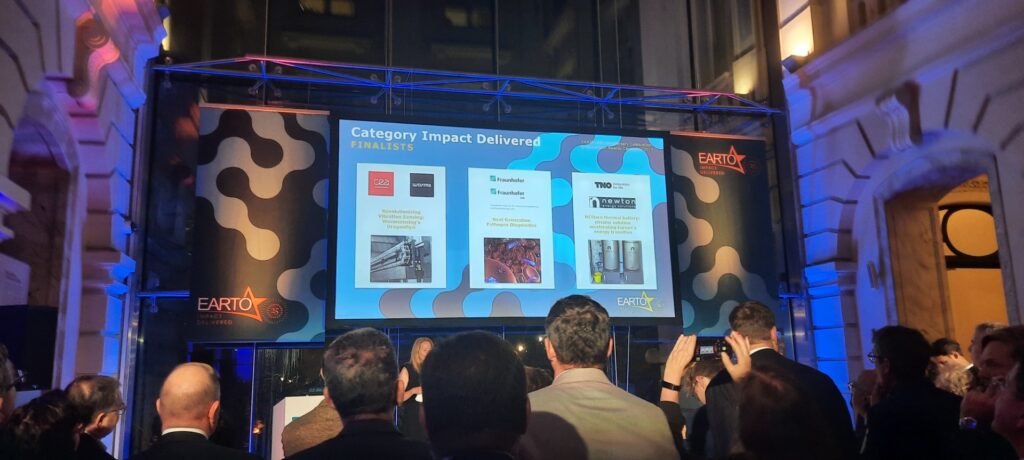
    EARTO Innovation Awards

    Dragonfly® Vibration Sensor (CEA, France)
    The French Alternative Energies and Atomic Energy Commission (CEA) won the EARTO Innovation Award in the “Impact Delivered” category for its development of Dragonfly®—a groundbreaking universal sensor that outperforms traditional vibration sensors in sensitivity, versatility, and cost-effectiveness. Developed using advanced semiconductor technology, Dragonfly® is 1,000 times more sensitive and 100 times more versatile than conventional sensors. These sensors are used in the aerospace industry and for monitoring critical industrial equipment.

    Next-Generation Cryogenic Chips (VTT, Finland)
    Finland’s research and innovation center VTT won the EARTO Award in the “Expected Impact” category for developing innovative cryogenic chips. Unlike standard metal-oxide semiconductor chips that generate substantial heat, cryogenic chips ensure minimal energy dissipation and are designed to operate in extremely cold environments (-270 °C). This innovation paves the way for advancements in quantum computing, electronics, space exploration, and environmental monitoring. It also strengthens the EU’s semiconductor industry and supports Europe’s strategic autonomy in key technologies.

  • DeepTech Entrepreneurship Toolbox: Forge Your Own Path in DeepTech

    DeepTech Entrepreneurship Toolbox: Forge Your Own Path in DeepTech

    Two-year Baltic Sea Region Interreg project – Deep Tech Entrepreneurship Launchpad (BSR DeepTech Launch) – fostering STEM entrepreneurship among students and young researchers to boost deep-tech innovation in Polish, German, and Lithuanian economies comes to an end.

    The project addressed the technology talent gap of each of the regions by creating a DeepTech Entrepreneurship Toolbox. This Toolbox equips students and young researchers with the necessary tools to explore entrepreneurship and drive innovation. It is designed to be accessible to various organizations and regions, empowering future entrepreneurs to successfully enter and thrive in the market.

    How to use the Toolbox?

    • Choose where you would like to start your business journey (Lithuania, Poland, or Germany)
    • Choose your business development stage (from blue – with no experience and no idea – to green – already having an official company)
    • Your needs (to think, learn, or act) for the next stage of the growth of your DeepTech company

    The DeepTech Entrepreneurship Toolbox for Lithuanian DeepTech Ecosystem was created in response to young researchers feedback who participated in DeepTech workshops organized by RTO Lithuania and the Lithuanian Innovation Centre (LIC) at the end of November, 2024. Survey results revealed strong knowledge gains and high satisfaction among participants but also identified gaps in practical readiness, self-study guidance, and real-life application.

    The Toolbox was therefore developed to provide a structured, accessible platform supporting continuous learning in deep-tech entrepreneurship. It offers practical resources, real-world case studies, and self-learning tools to strengthen participants’ ability to manage and grow deep-tech ventures. Building on the workshops’ proven success and high demand for ongoing support, the Toolbox ensures consistent, high-quality content and broader accessibility empowering young researchers and students across the Baltic Sea Region to forge their paths in DeepTech.

  • EKOAgrITech 2025: A Hub for Connecting Innovators and End-Users in Ecological Farming

    EKOAgrITech 2025: A Hub for Connecting Innovators and End-Users in Ecological Farming

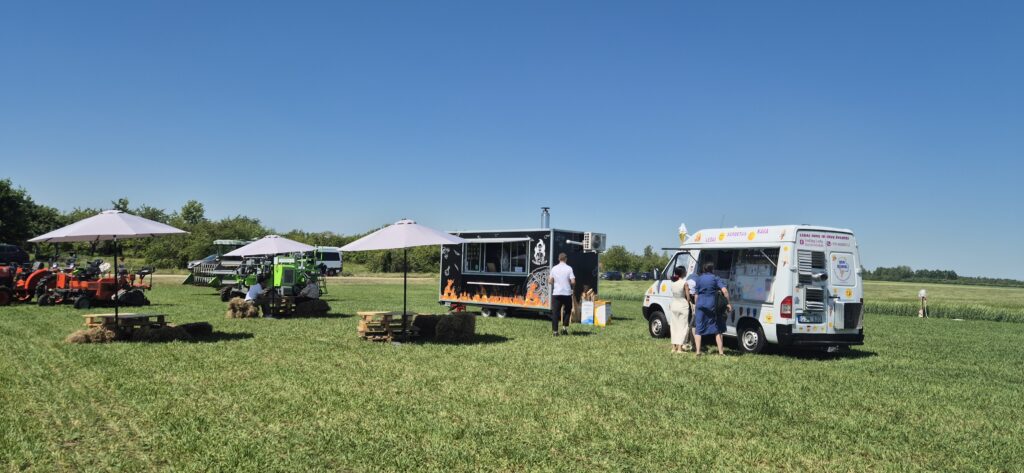
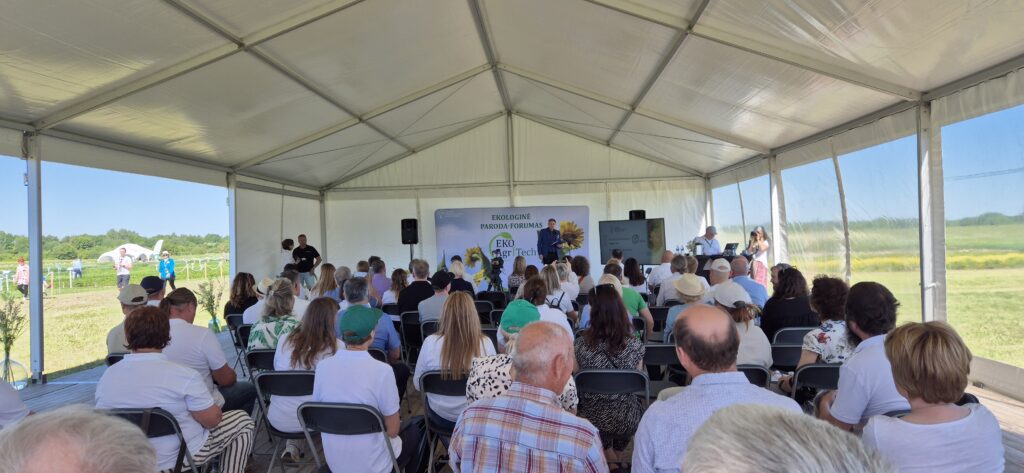
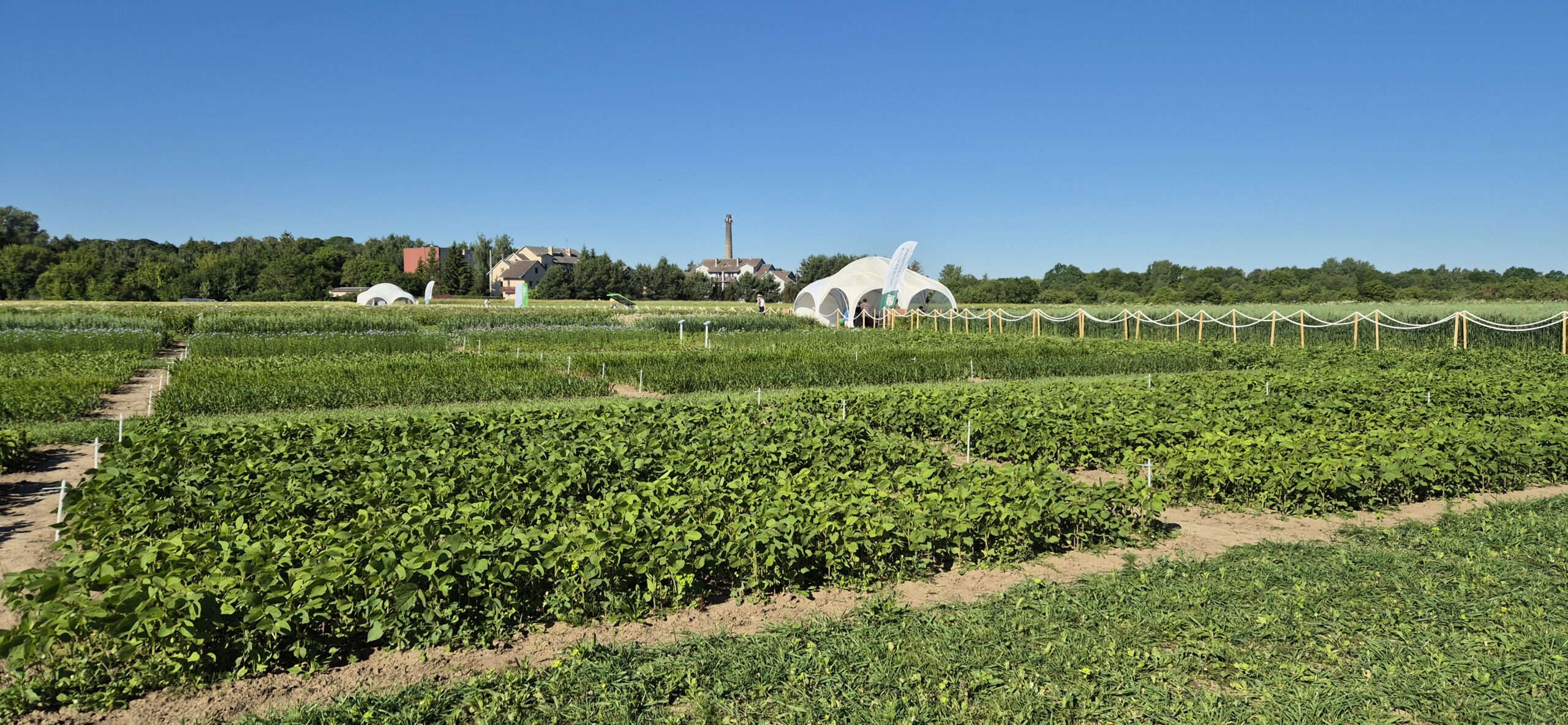
    Akademija, Lithuania — July 3, 2025 — Despite the sweltering summer heat, EKOAgrITech 2025 brought together over 420 participants—including nearly 200 end-users—for a dynamic day dedicated to sustainable agriculture, innovation, and knowledge sharing in the heart of Lithuania.

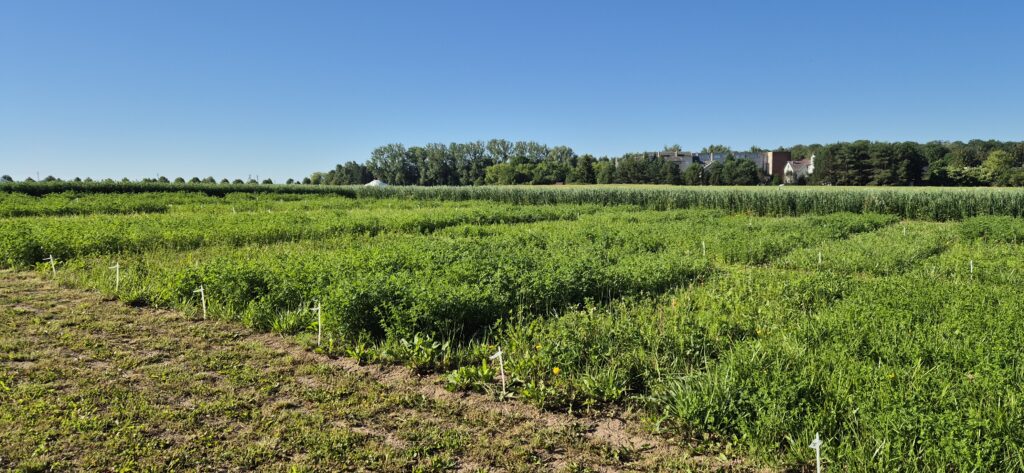
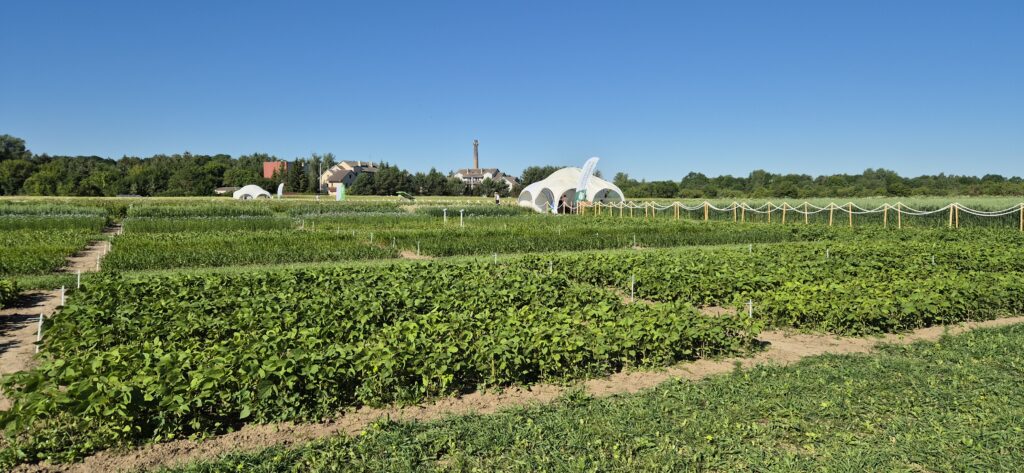
    Hosted by the Lithuanian Research Centre for Agriculture and Forestry (LAMMC), this year’s event embraced the theme “Sustainability starts here: from the experimental plot to every table,” offering a rich mix of research showcases, hands-on experiences, and discussions for farmers, scientists, businesses, and the public alike. The event featured 1,000 scientific research plots, precision and digital farming demonstrations, five dedicated discussion zones, and family-friendly activities—including organic product tastings and educational sessions for children.

    Main discussion “Novel physical technologies for AgriFood”: Dr. Ignas Hofmanas Ministry of Agriculture of the Republic of Lithuania, Dr. Gintaras Brazauskas Lithuanian Research Centre for Agriculture and Forestry, Saulius Daniulis Lithuania Association of Organic Farms Dangis Valaitis „Dotnuva Baltic“, Gintas Saulius Cironka Lithuanian Agricultural Advisory Service, and moderator of the discussion Raigardas Musnickas.

    Dangis Valantis, the CEO of Dotnuva Baltic UAB – one of the biggest companies for agricultural machinery and services in the Baltic states – during the main discussion said: “There’s no need to support tractor purchases, no need to wait for farming tools and equipment — we need to support smart technologies.”

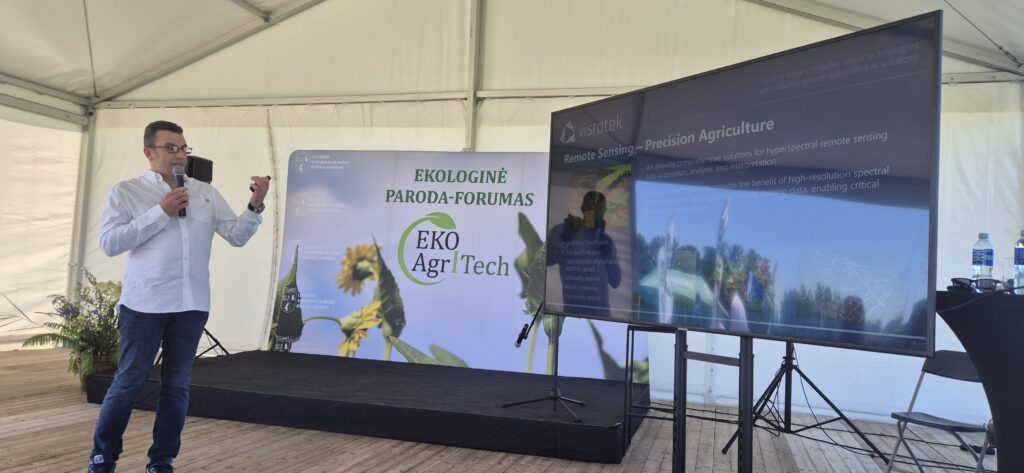
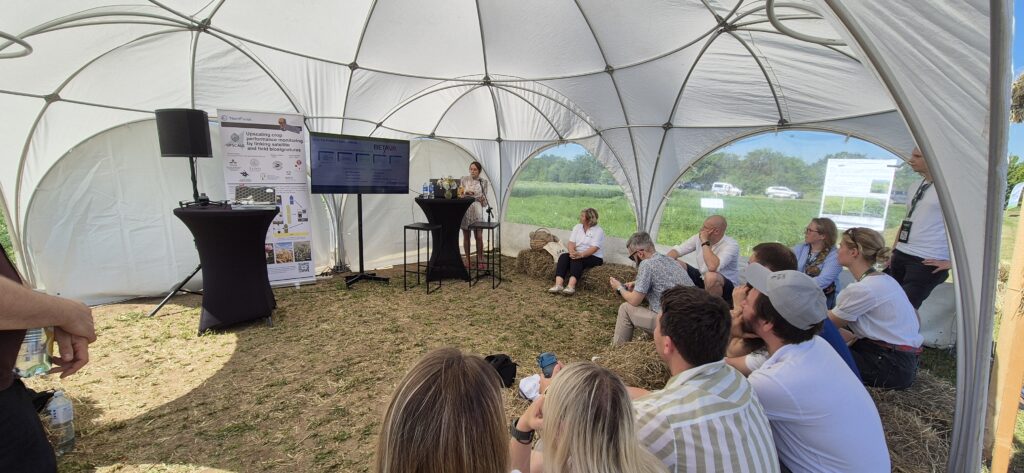
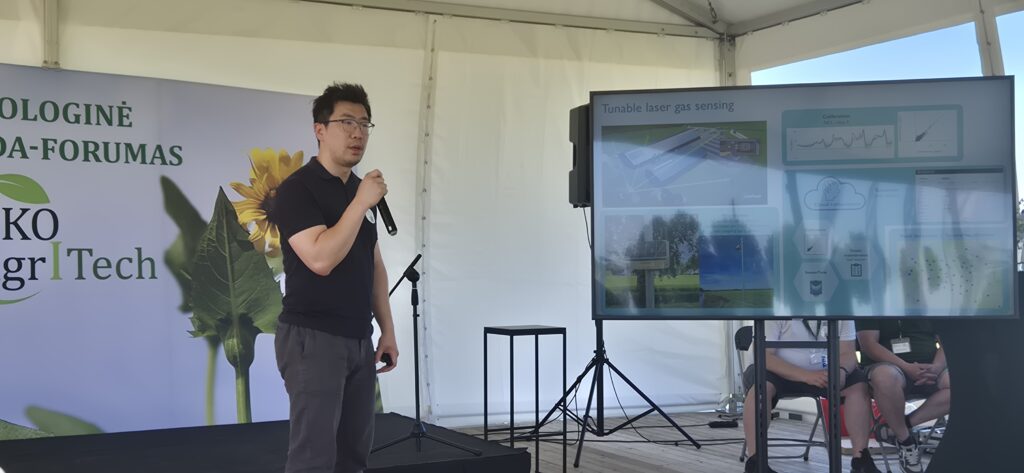
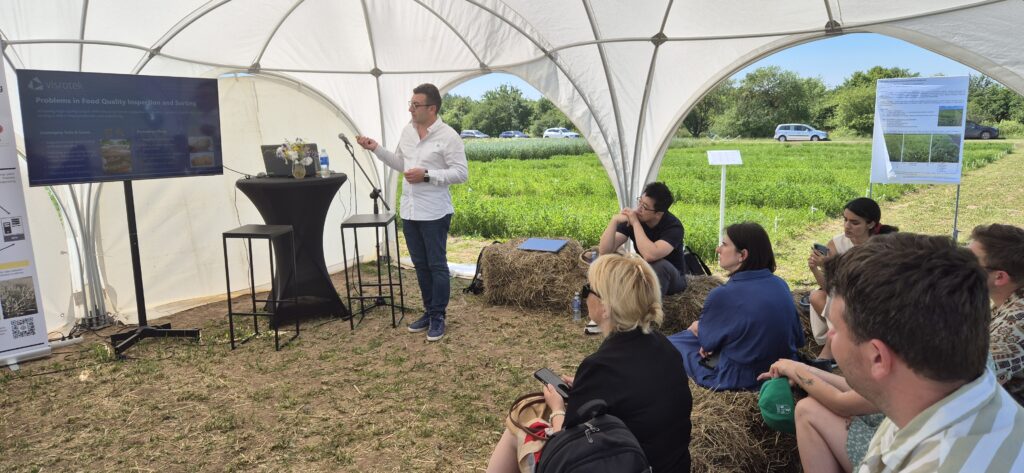
    A standout moment of the day was the Photonics4AgriFood workshop, co-organized by RTO Lithuania within the framework of the Phorwards21 project that brought photonic solution providers from the whole Europe, including France, Finland, the Netherlands, and Poland. The session kicked off with an opening ceremony, followed by a compelling panel discussion on the impact of novel technologies in the Lithuanian agriculture sector. In the afternoon, presentations on novel physical technologies for AgriFood and a lively pitch and matchmaking session drew strong interest from researchers, innovators, and practitioners.

    Summarizing the matchmaking session RTO Lithuania scientific advisor Dr. Dovilė Čibiraitė-Lukenskienė stated that “Photonics4AgriFood sparked fruitful dialogue and planted the seeds for future collaborations. The session brought fresh ideas for research directions and shed light on the growing availability and capabilities of cutting-edge photonic technologies in the market.”

    As climate pressures mount and the need for sustainable solutions grows, events like EKOAgrITech serve as a vital space to connect tradition with transformation, helping stakeholders move from inspiration to implementation—one plot, one table, and one photon at a time.