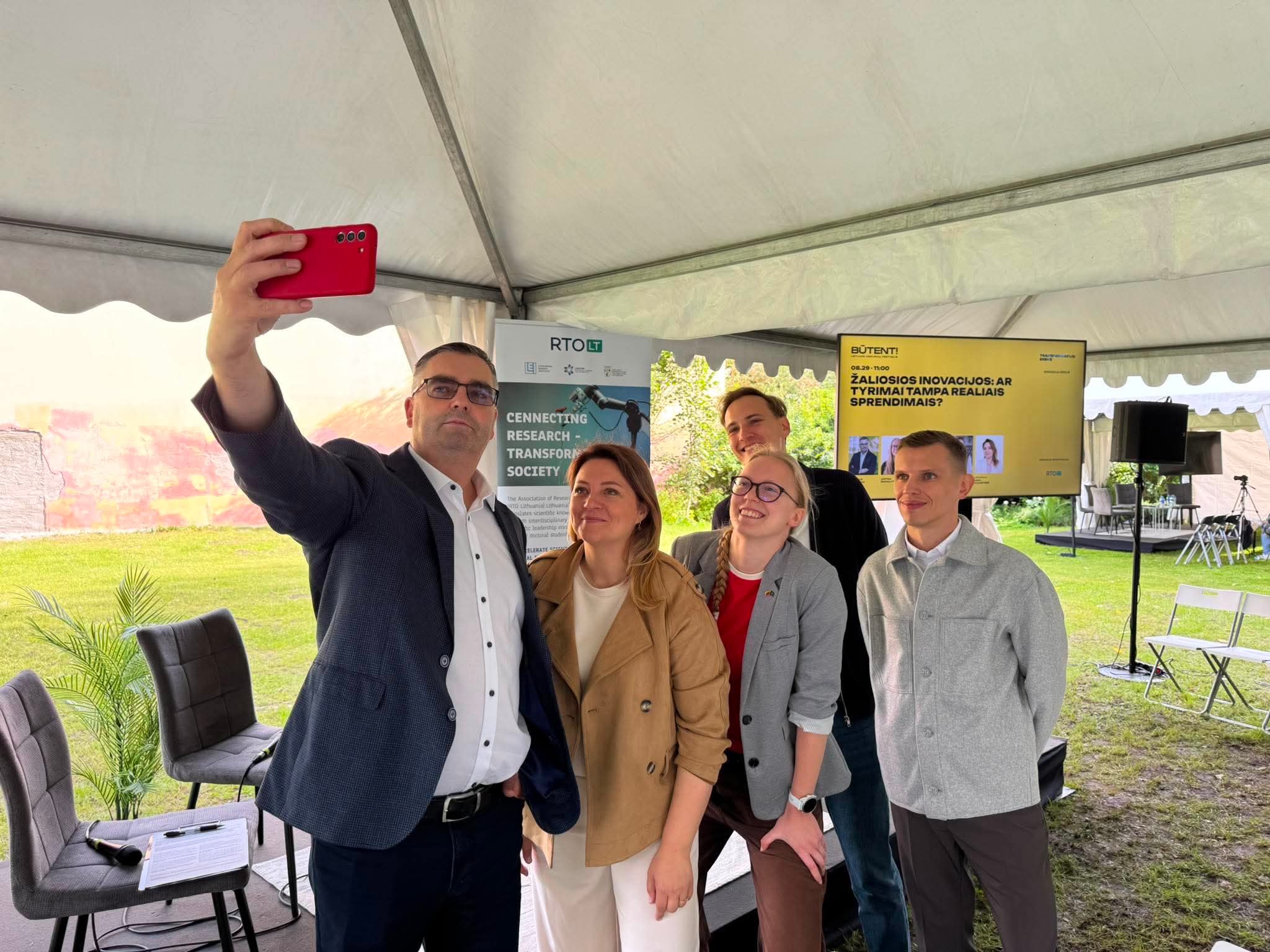
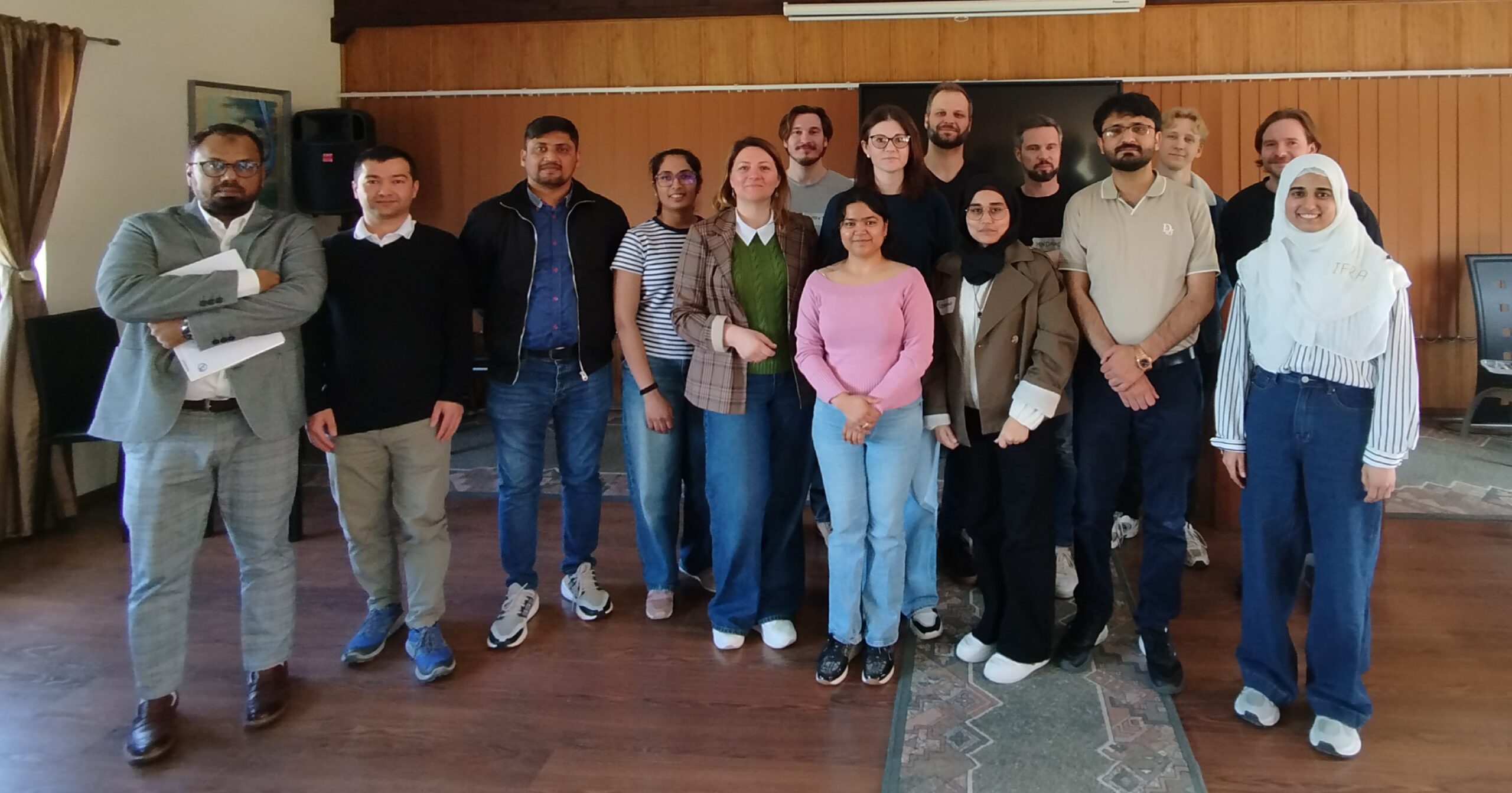
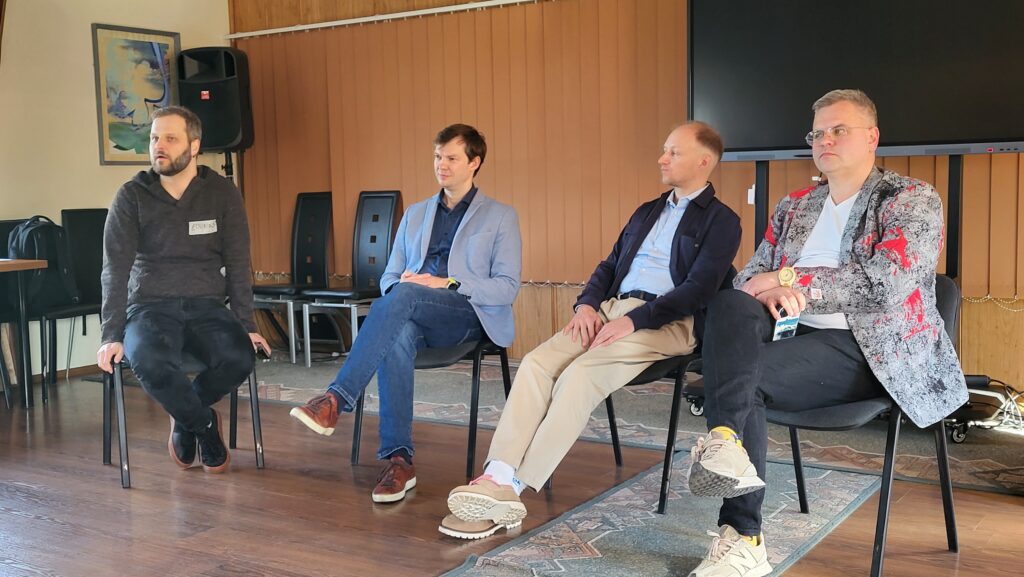
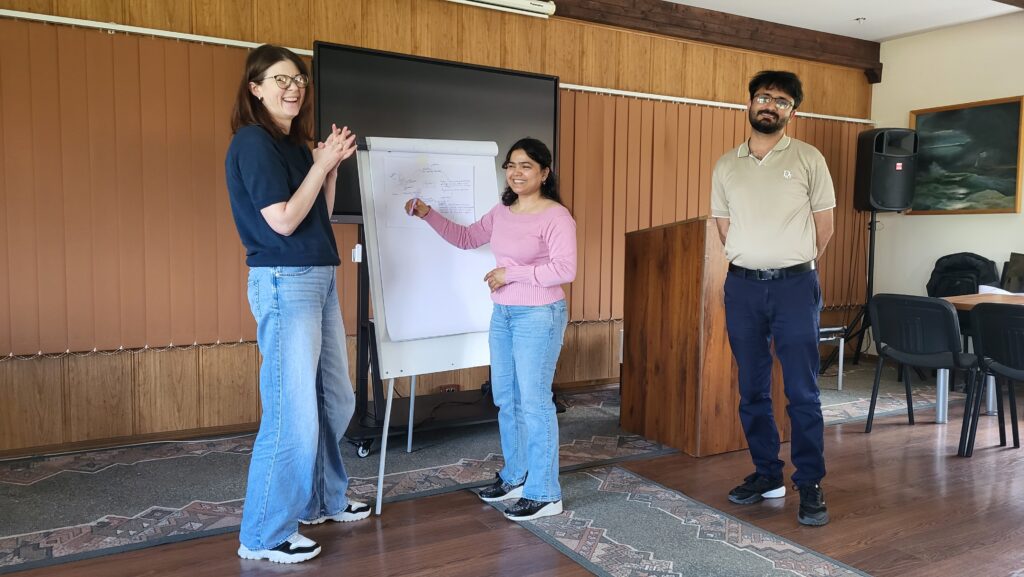
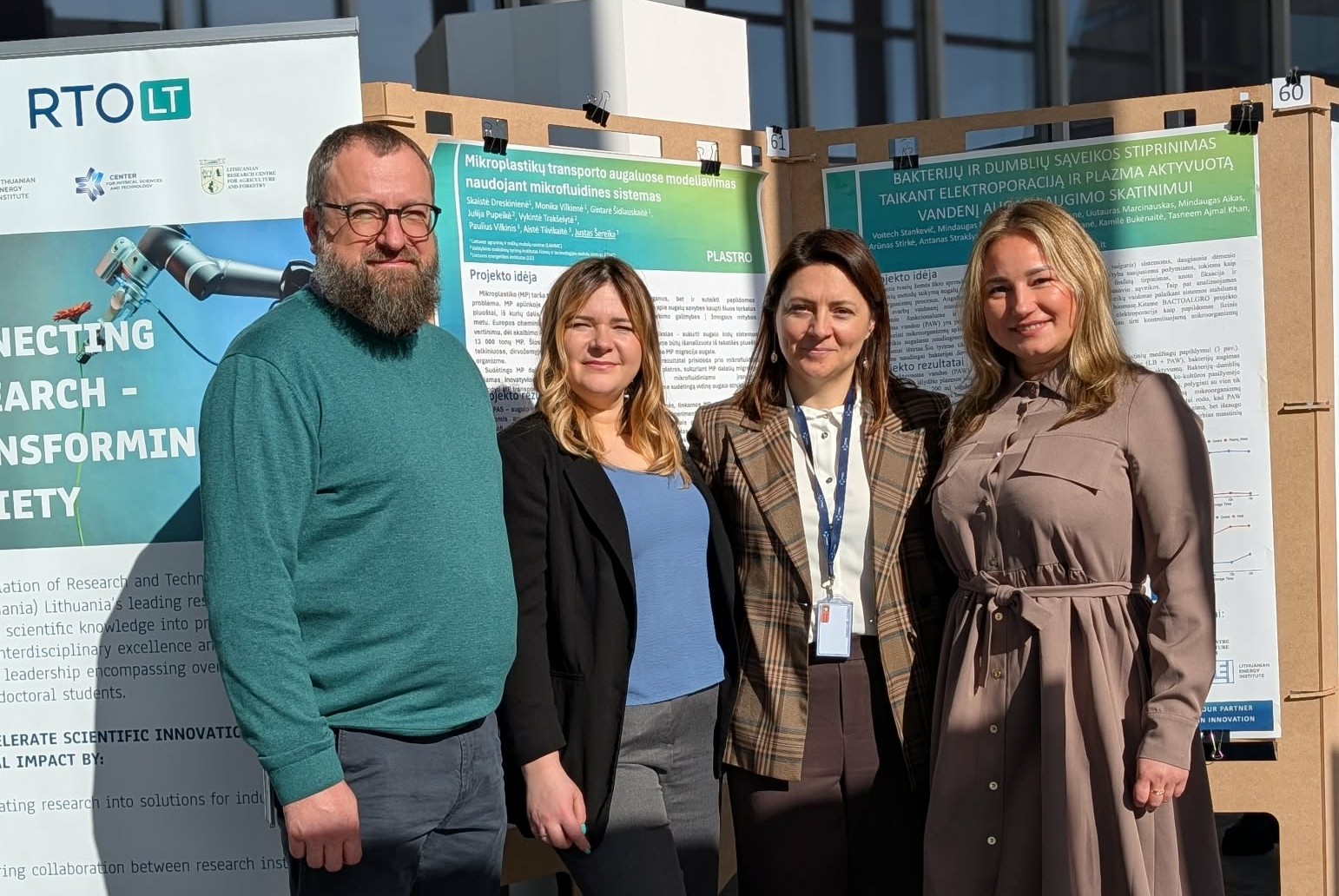
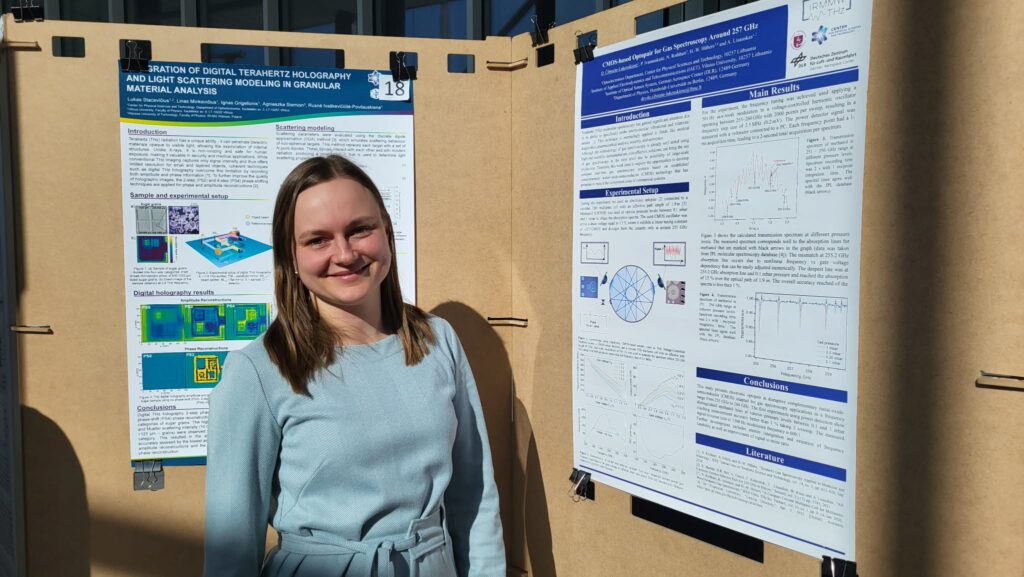
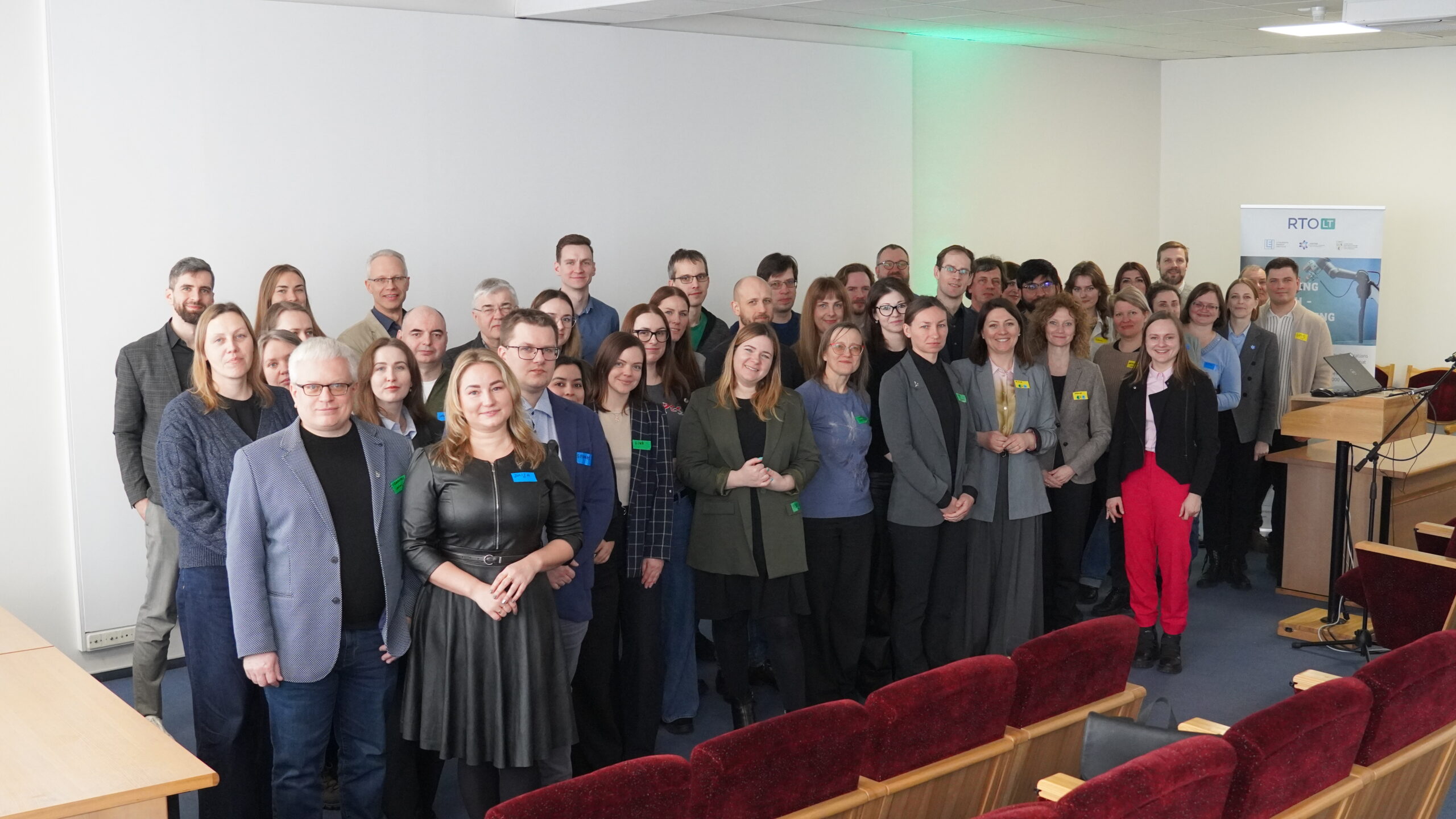
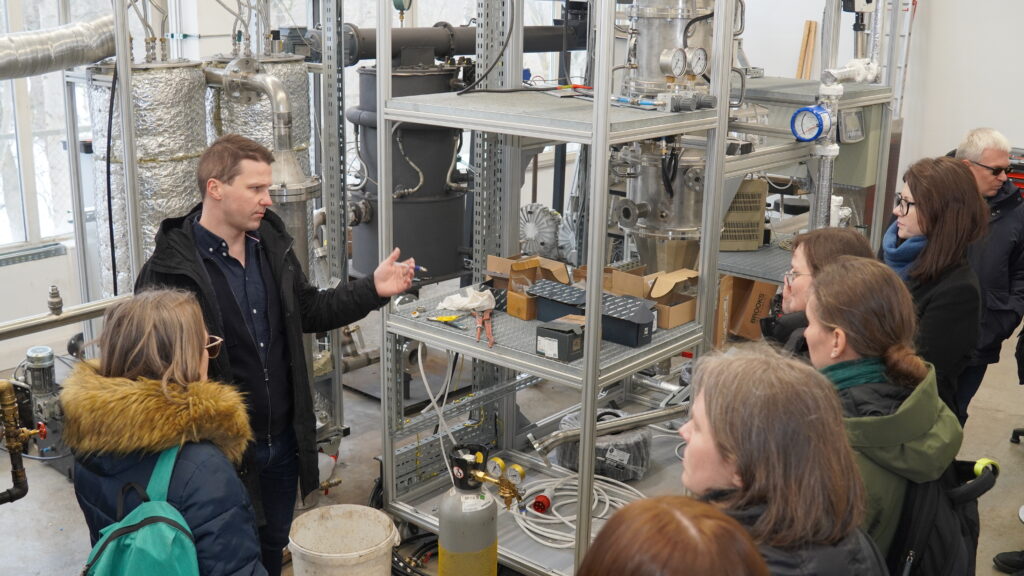
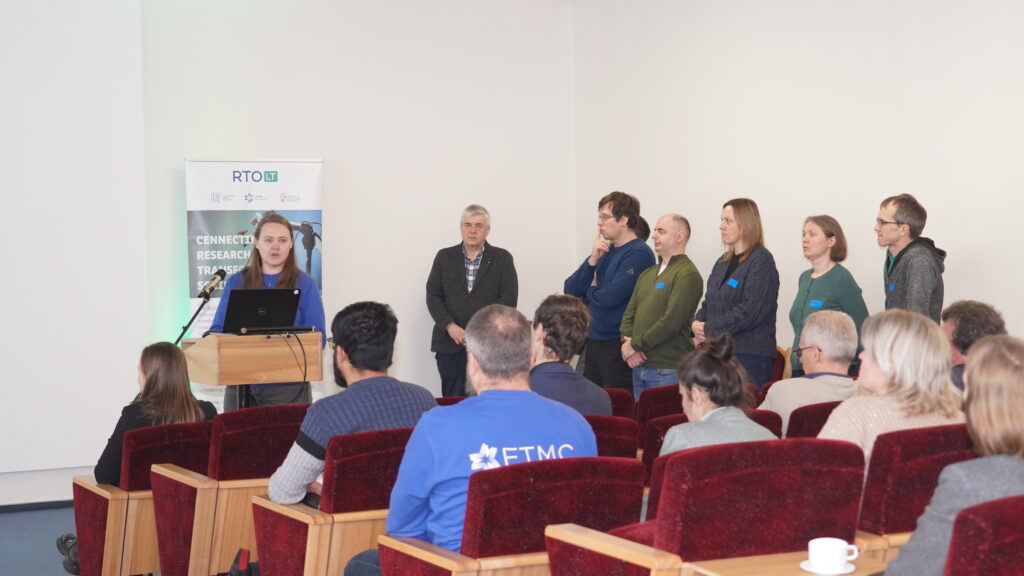
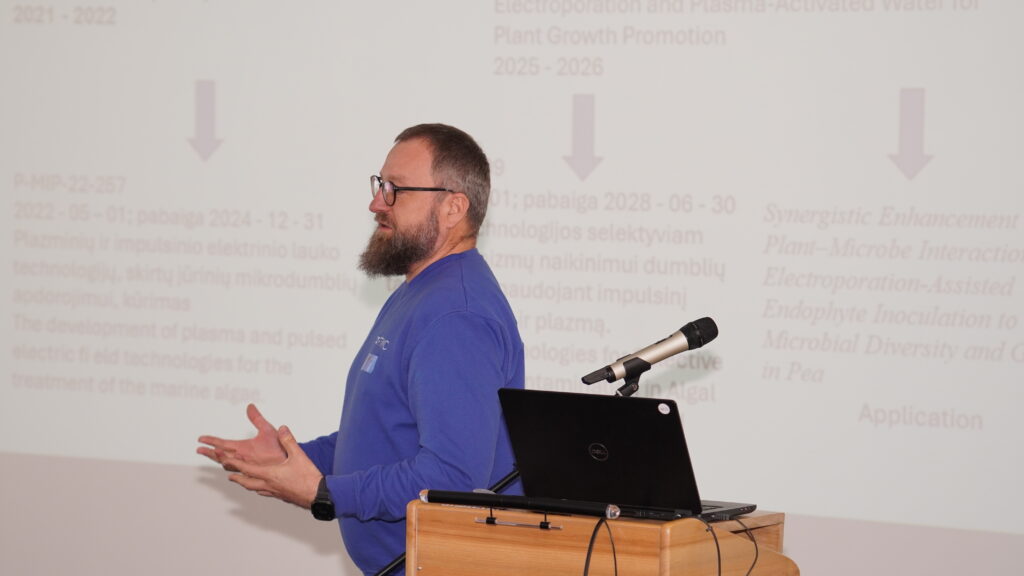
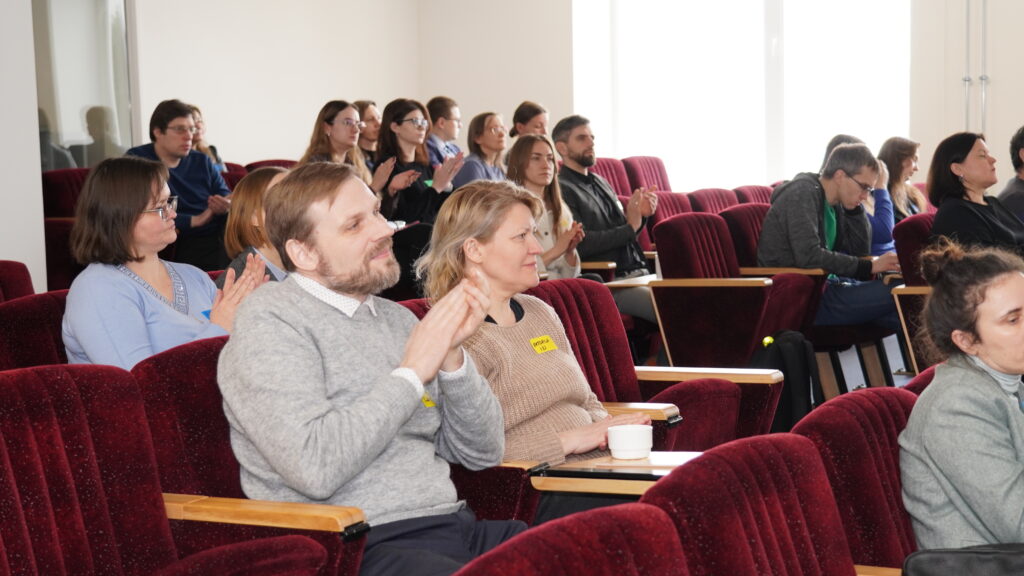
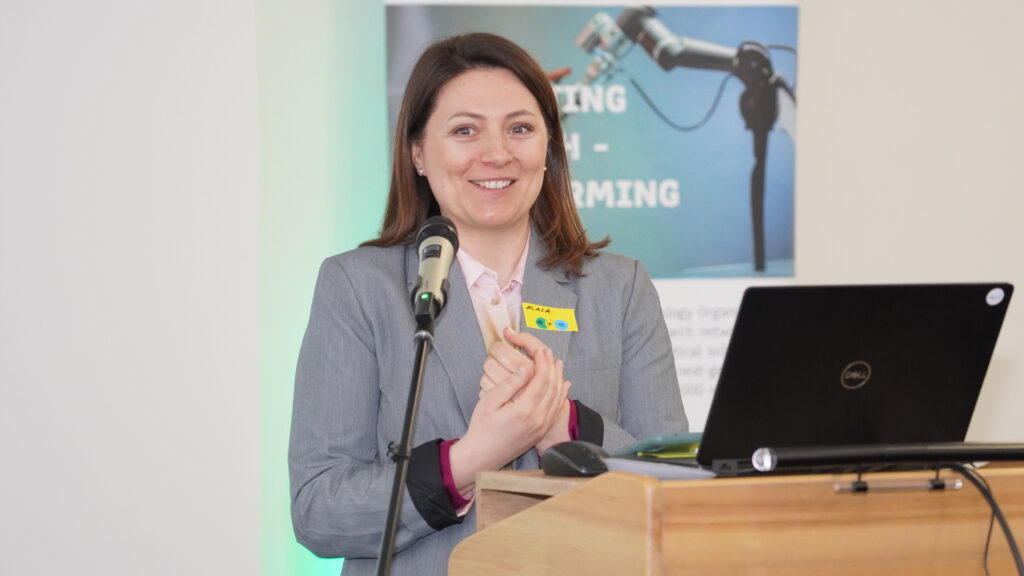
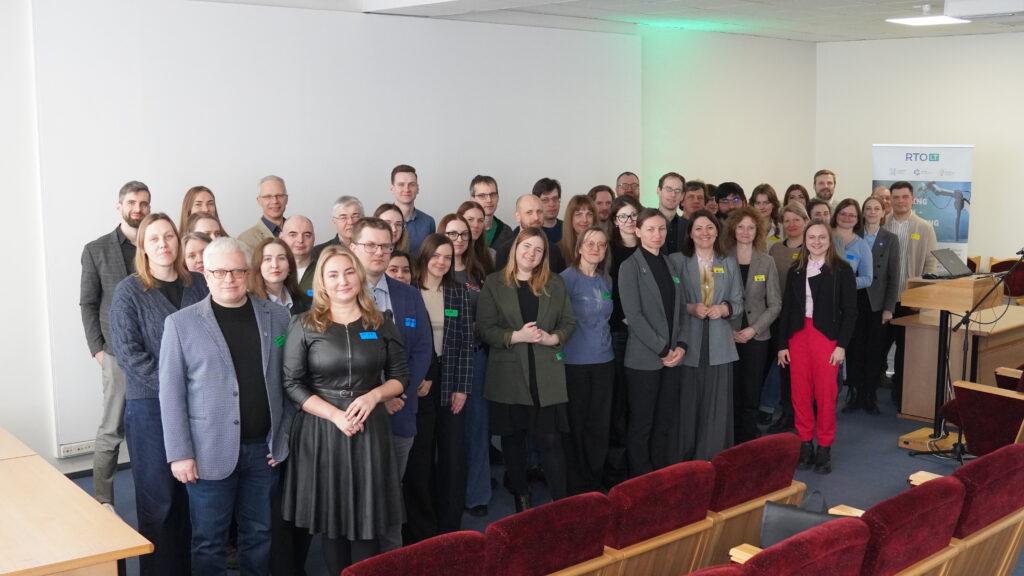
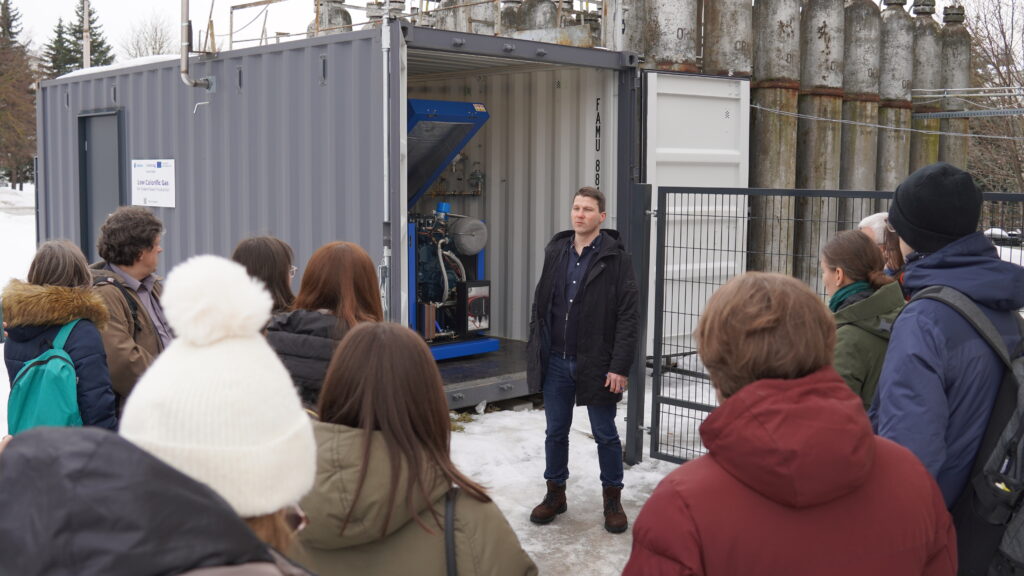
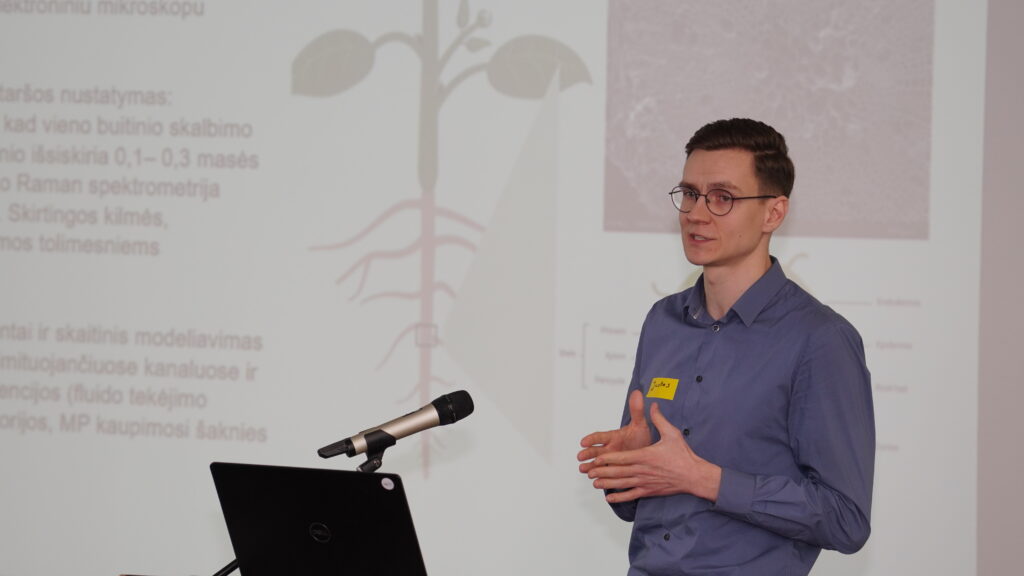
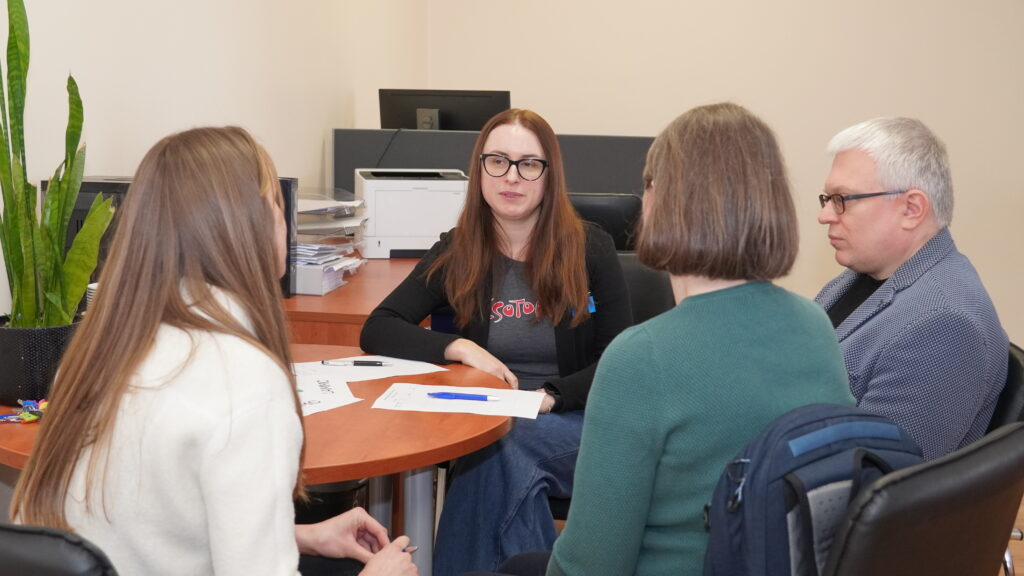
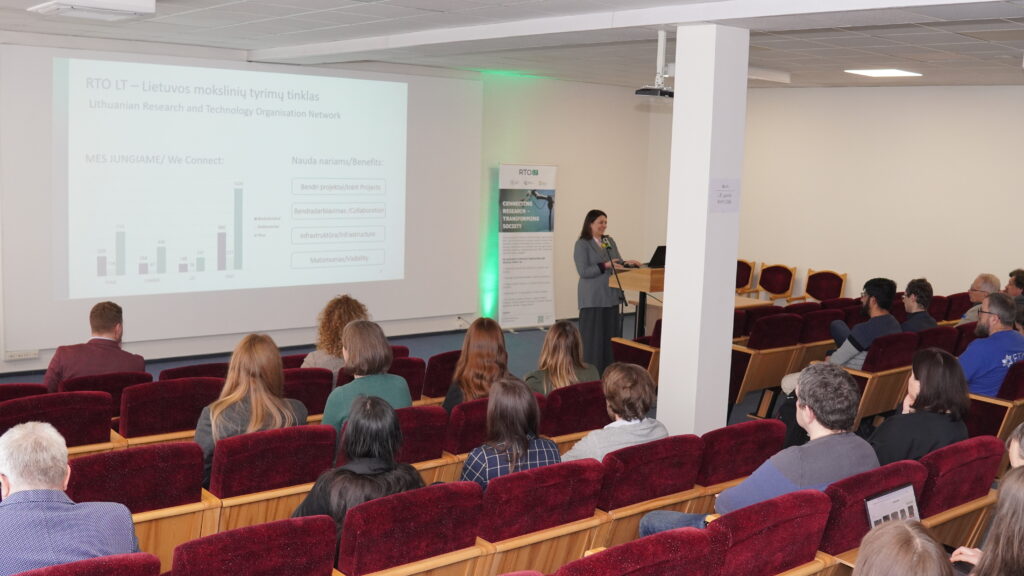
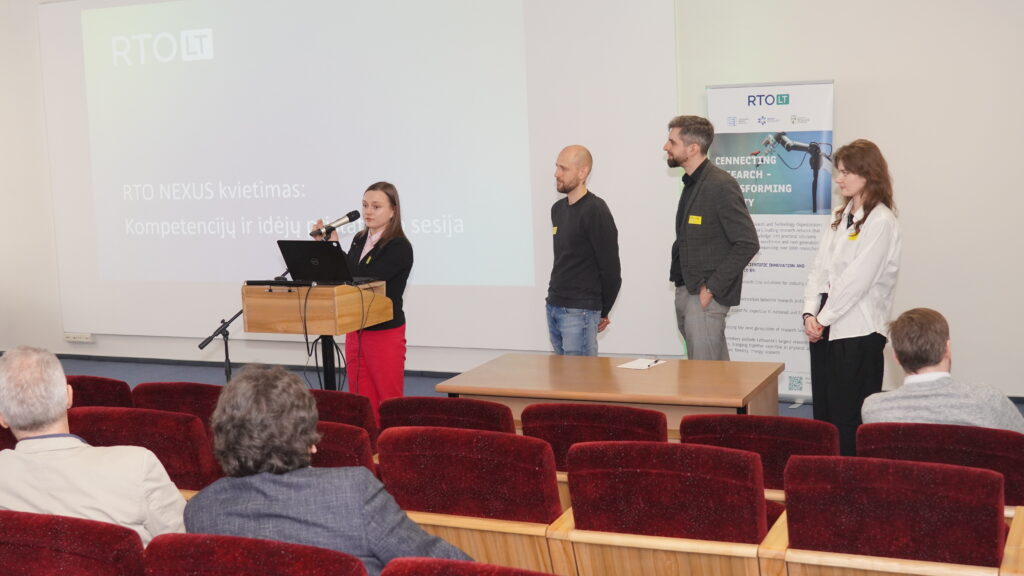
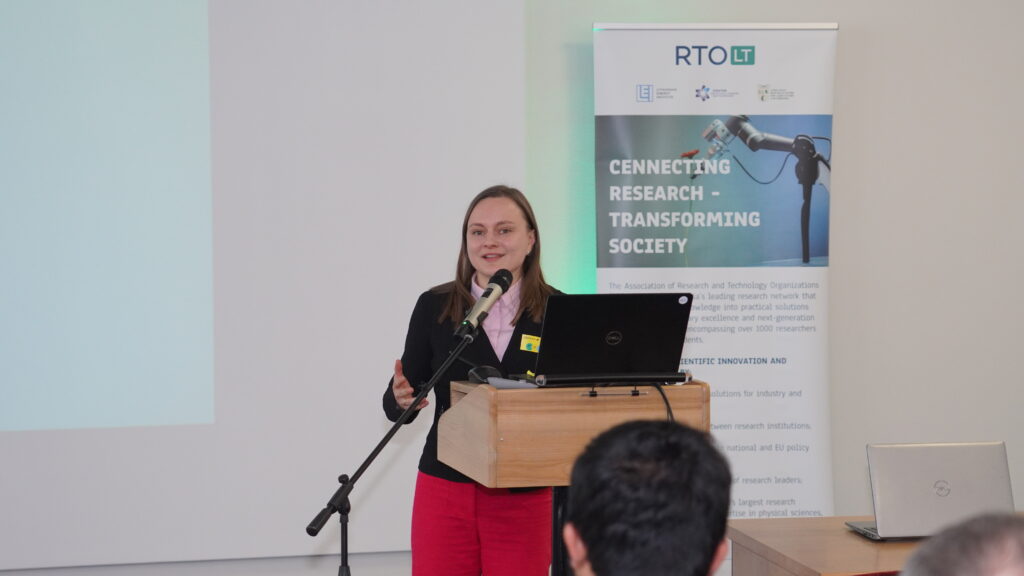
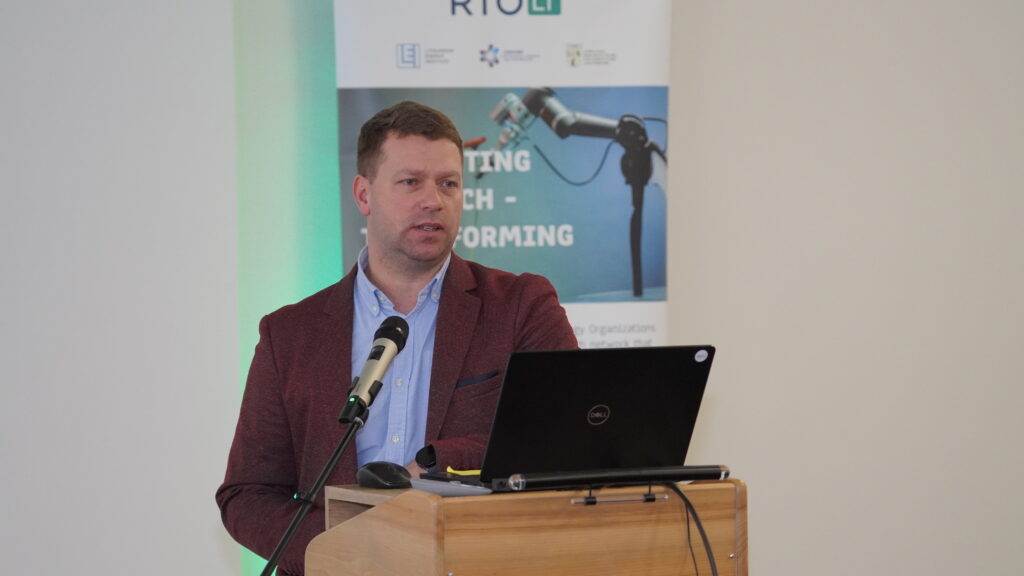
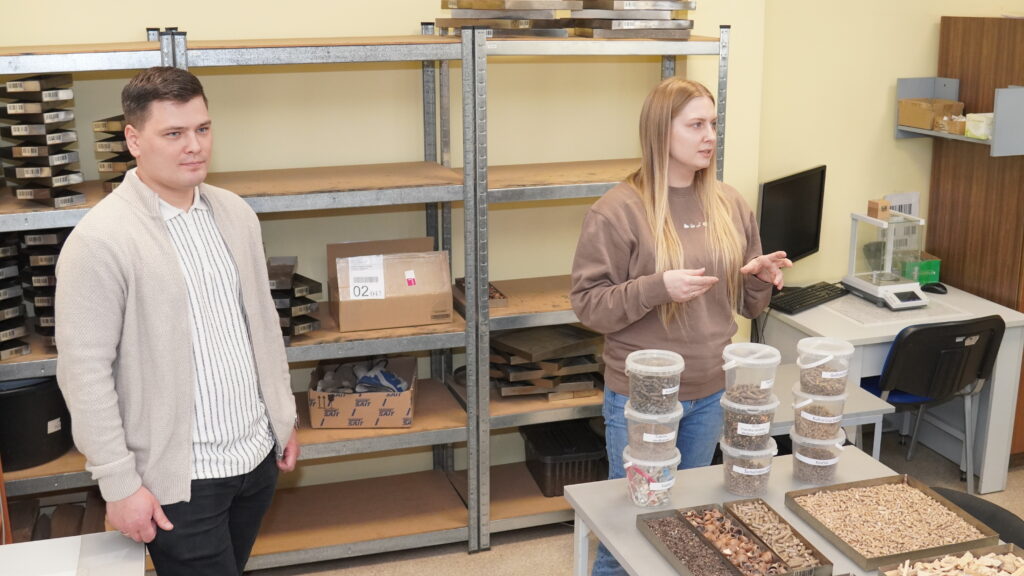
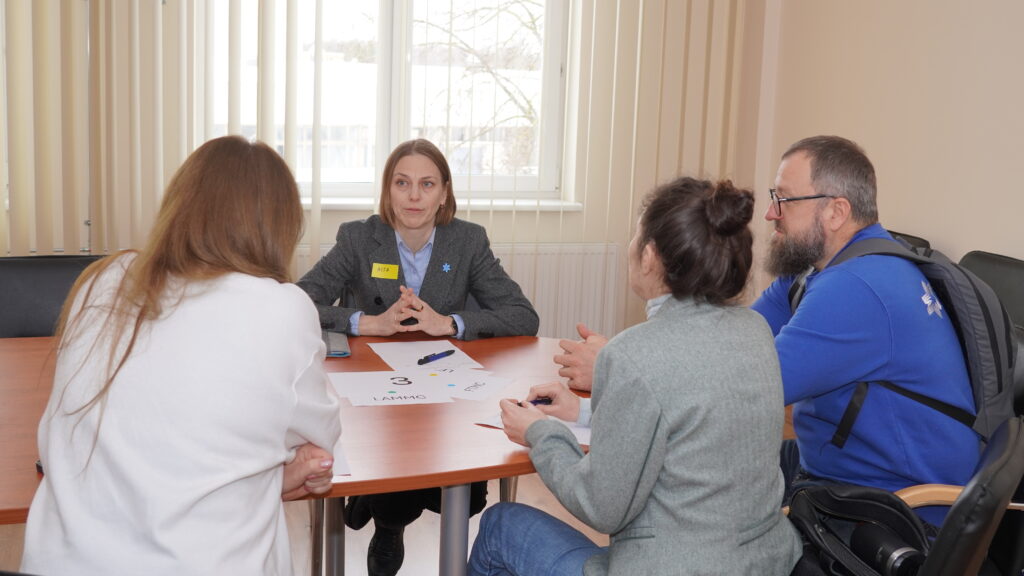
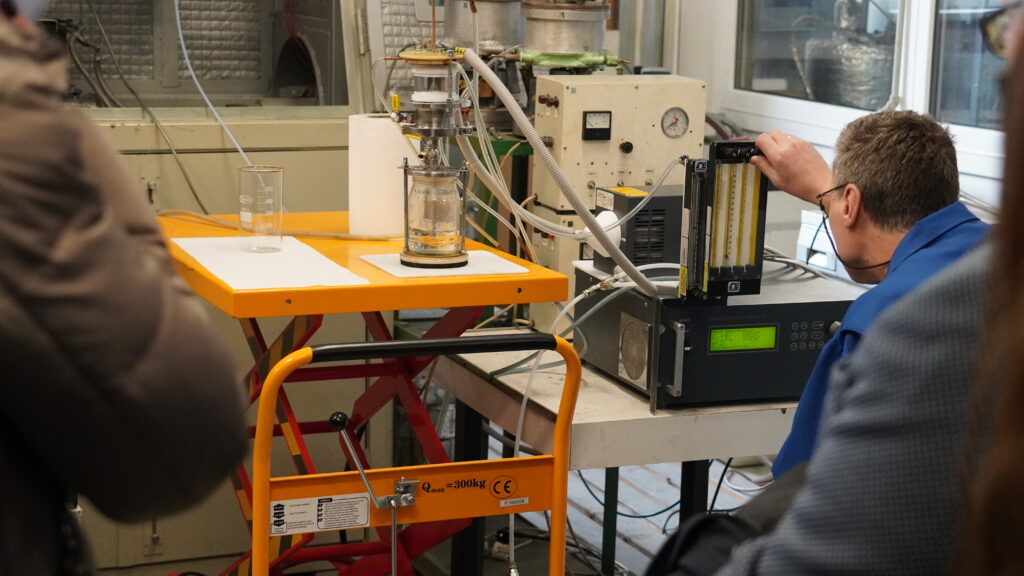
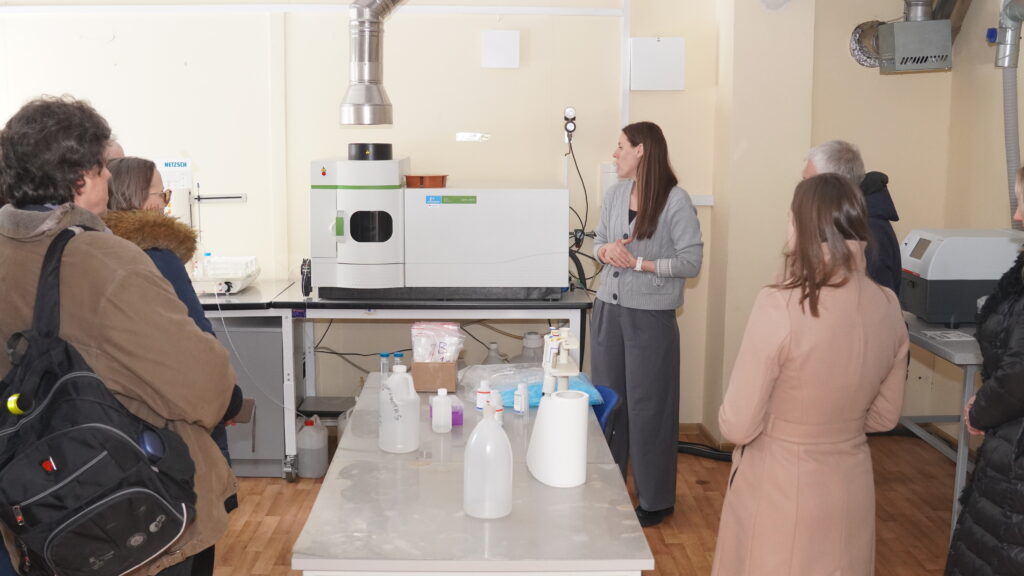
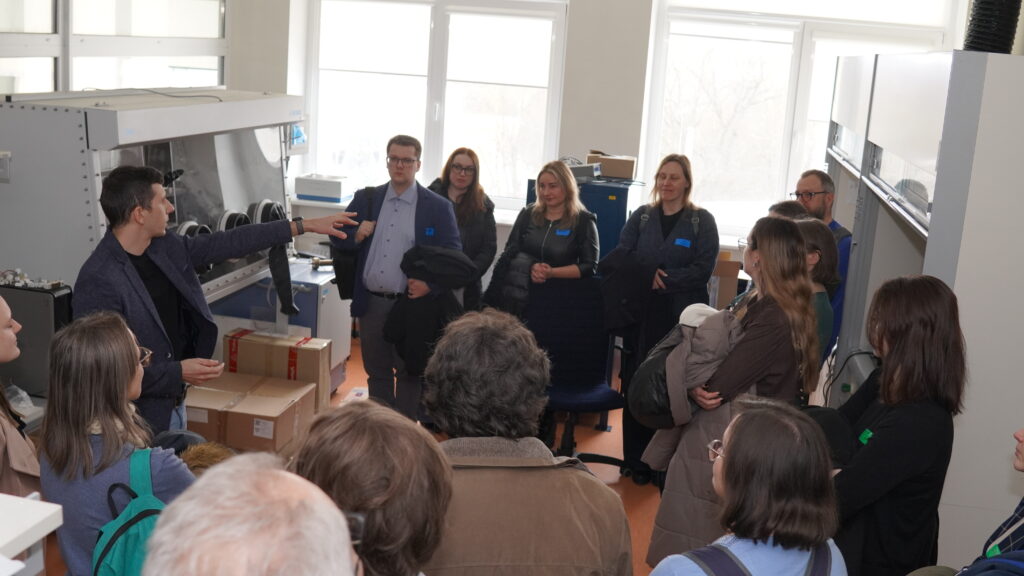
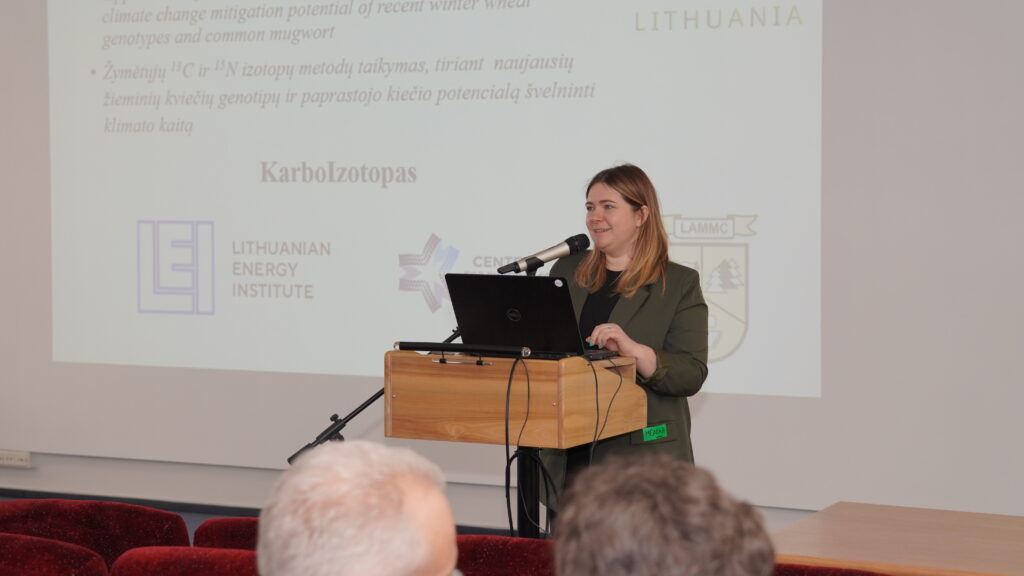
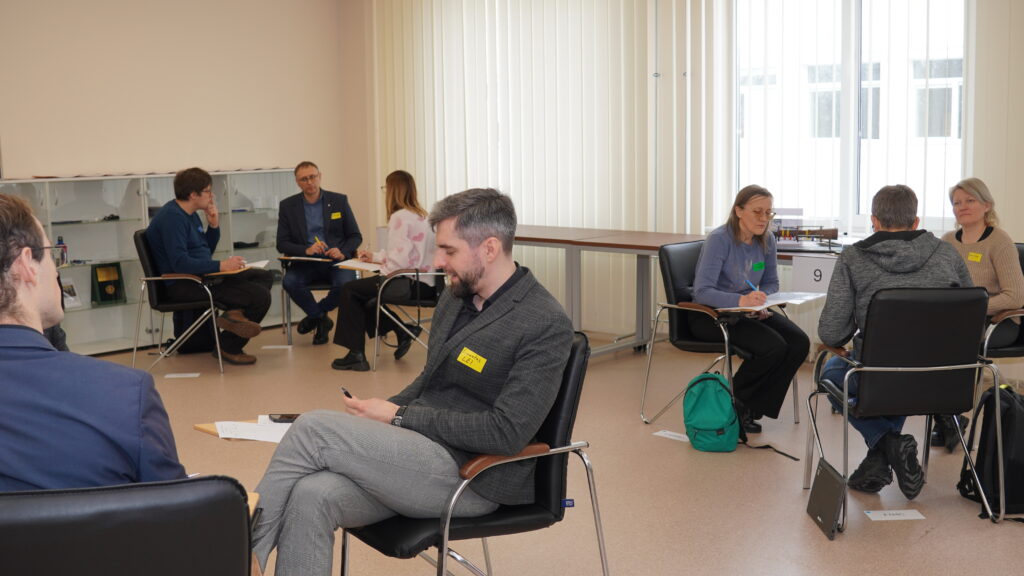
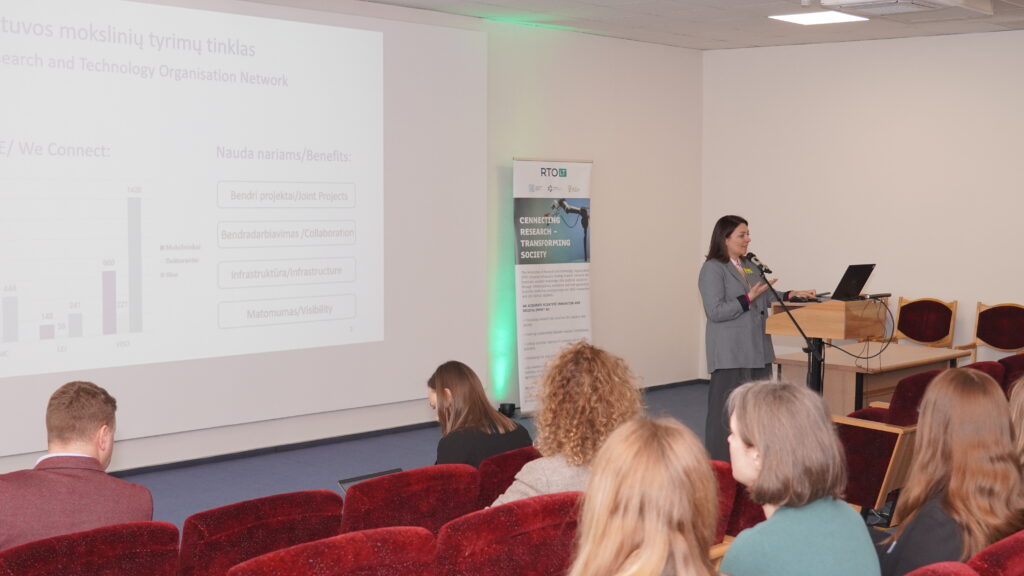
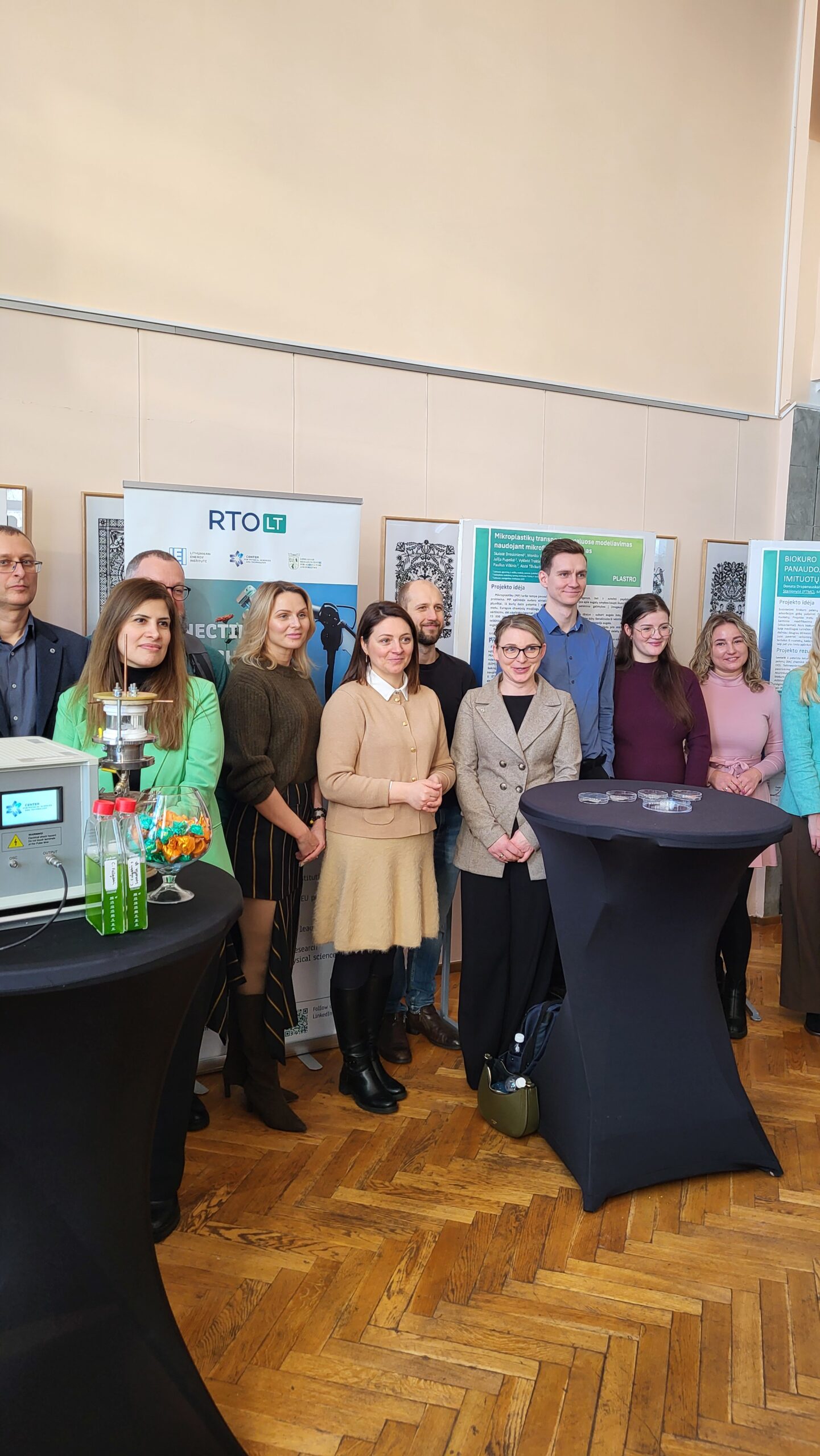
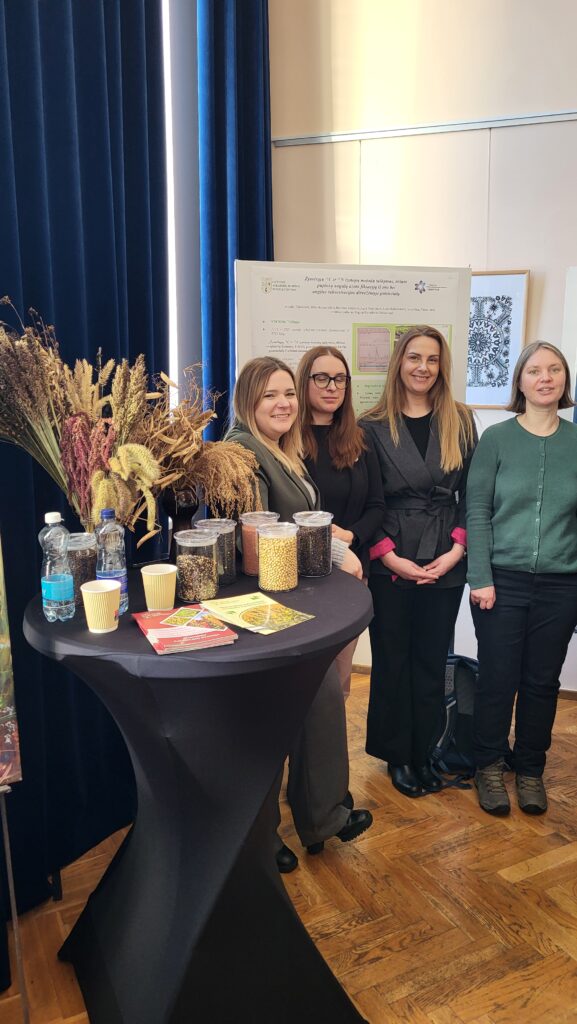
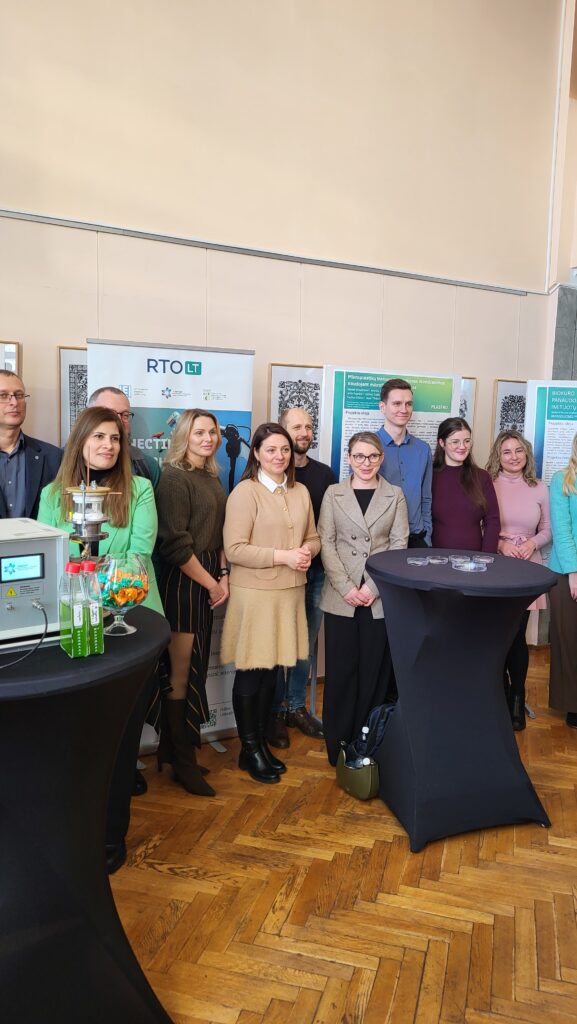
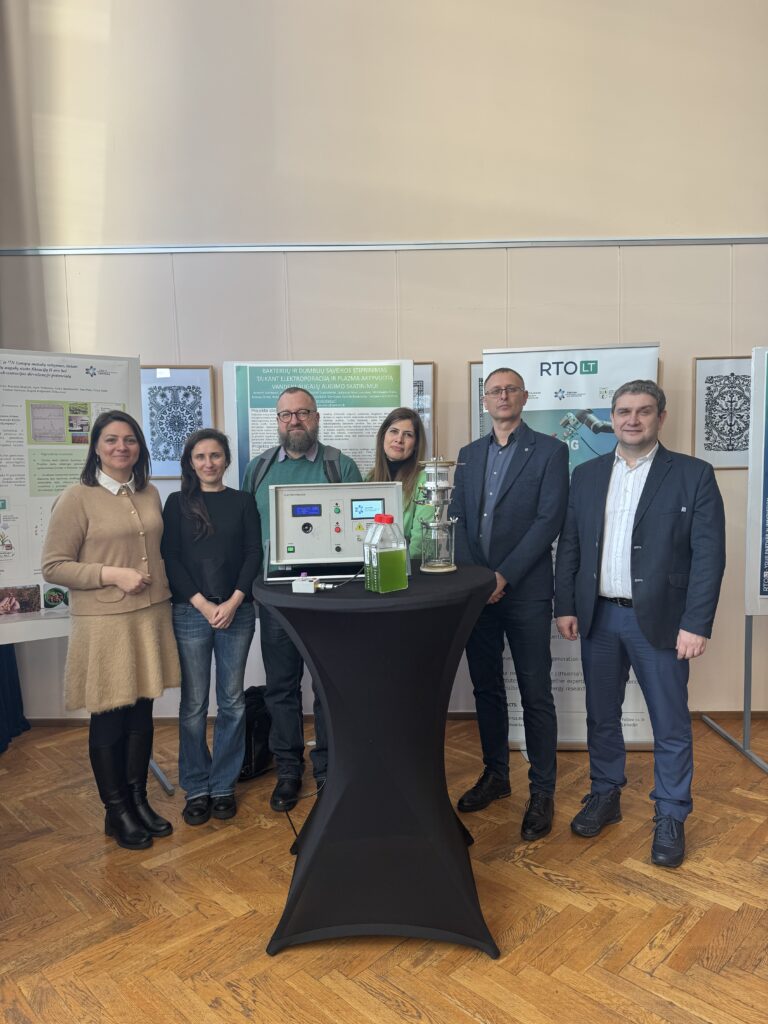
RTO Lithuania recently hosted a dedicated information event bringing together 70 researchers from the Lithuanian Energy Institute (LEI), the Lithuanian Research Centre for Agriculture and Forestry (LAMMC), and the Center for Physical Sciences and Technology (FTMC). Together, these institutes represent key research sectors in energy and sustainability, agriculture and forestry, environmental sciences, advanced materials, physics, chemistry, and high-tech engineering.
The event aimed to promote transdisciplinary research, strengthen collaboration across institutions, and position Lithuania as an attractive destination for high-level researchers seeking to work at the intersection of science, innovation, and societal impact.
For RTO Lithuania, the event marked an important step in actively engaging the national research community and encouraging researchers to think beyond traditional disciplinary boundaries. Participants were introduced to the Association’s mission, strategic priorities, and instruments designed to support ambitious research ideas that connect physical, technological, environmental, and life sciences.
MSCA Postdoctoral Fellowships as a Gateway to Research Careers in Lithuania
A key focus of the information event was the presentation of Marie Skłodowska-Curie Actions Postdoctoral Fellowships (MSCA PF) as a strategic opportunity for attracting excellent researchers to Lithuania. RTO Lithuania highlighted MSCA PF as an important tool for supporting individual research careers while strengthening institutional collaboration and international mobility.
Researchers from LEI, LAMMC, and FTMC were introduced to the main features of the MSCA PF scheme, including its emphasis on scientific excellence, researcher-driven project ideas, intersectoral and interdisciplinary approaches, and international experience. The discussion focused on how Lithuania’s research institutions can act as strong host organisations, offering access to advanced research infrastructures, complementary expertise, and supportive research environments across the following fields:
- energy systems,
- agri-food and forestry,
- climate research,
- materials science,
- photonics and optoelectronics, and
- other emerging technologies.
The event also encouraged researchers to consider MSCA PF as a mechanism for building long-term collaboration between Lithuanian institutions and international research networks, while contributing to the development of transdisciplinary research topics aligned with national and European priorities.
Connecting Institutions and Supporting Future Collaborations
By bringing together researchers from LEI, LAMMC, and FTMC, the information event fostered dialogue on potential joint supervision, shared research agendas, and coordinated support for MSCA PF applications. RTO Lithuania emphasised its role in facilitating these connections and supporting researchers throughout the proposal development process.
Beyond research opportunities, Lithuania offers an attractive living environment for international researchers, combining a high quality of life, affordable living costs, vibrant cities, rich nature, and a safe, family-friendly society with a growing international community.
Are you currently working or studying abroad and close to completing your PhD? Have you considered returning to—or coming to—Lithuania for your next career step? If you are interested in developing your own research idea within a strong transdisciplinary environment, RTO Lithuania invites you to explore MSCA Postdoctoral Fellowship opportunities at LEI, LAMMC, or FTMC until 15th of June. The proposal submission deadline for MSCA FP is on 09.09.2026. If you have any questions, you can easily find our contacts in the contact section.
Connecting Research. Transforming Society.