Author: Dovilė Čibiraitė-Lukenskienė

  • RTO NEXUS CALL is now open!

    RTO NEXUS CALL is now open!

    Three Lithuanian RTOs members – the Center for Physical Sciences and Technology (FTMC), Lithuanian Energy Institute (LEI), and the Lithuanian Research Center for Agriculture and Forestry (LAMMC) – have announced an annual joint call for pilot research projects. This year it is coming under a new name RTO NEXUS CALL. The initiative aims to foster the interdiscplinary and cross-institutional collaboration between three RTO members in addressing key national and societal challenges for a sustainable, climate-resilient and secure society. Check the call information here:

    The call offers funding of up to €30,000 per project (€10,000 for each research group). Projects must involve researchers from all three participating institutions. Successful projects are expected to result in high-impact scientific publications and lead to a further follow-up – the submissions for national and international R&D&I funding calls, thus providing a launch pad for emerging ideas that can have longer impact.

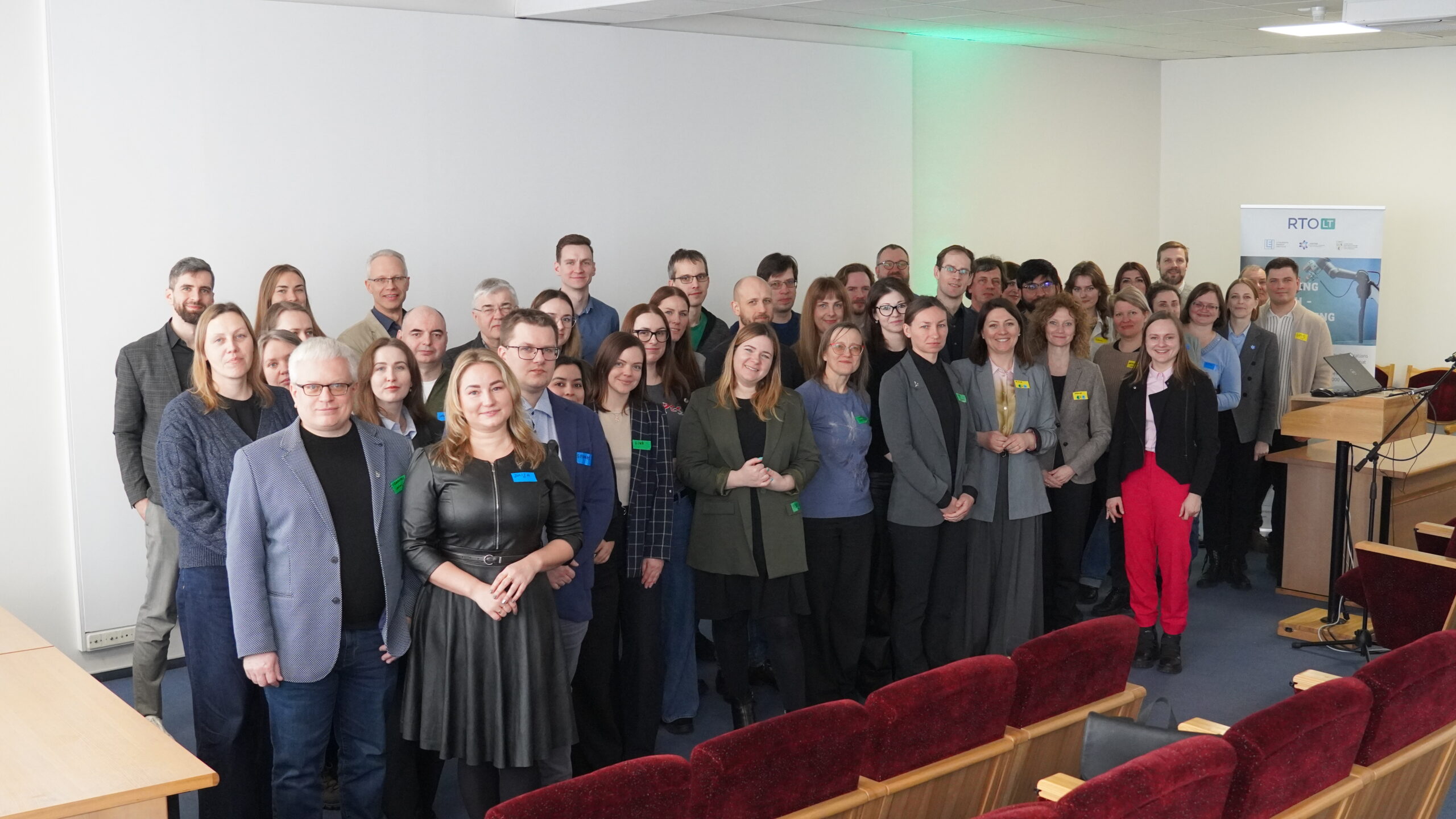
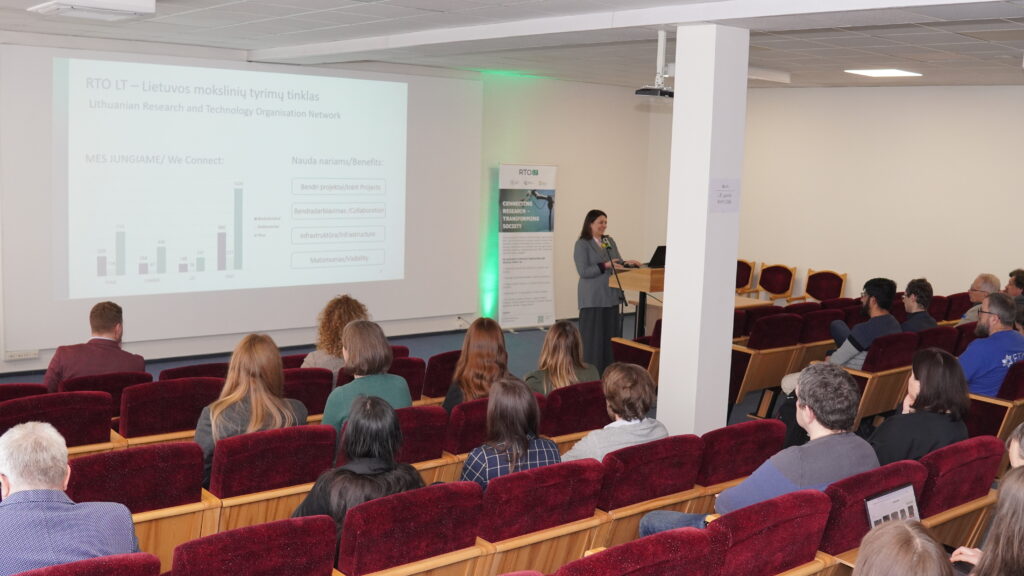
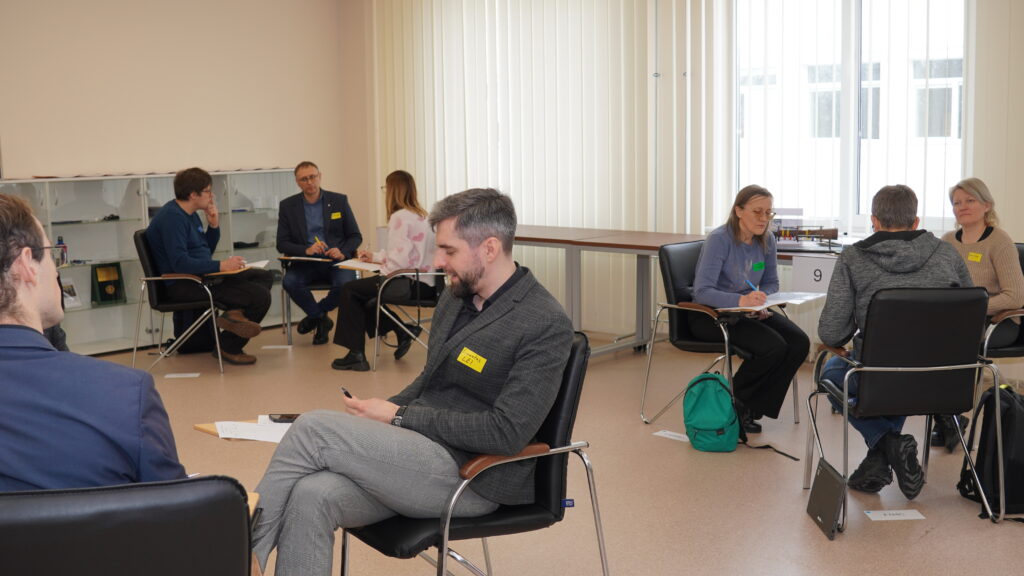
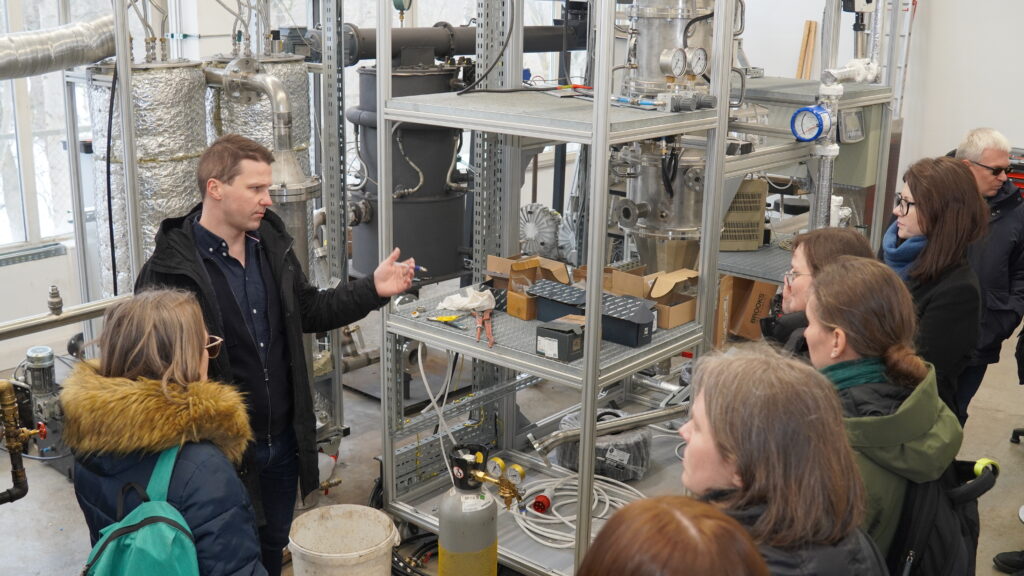
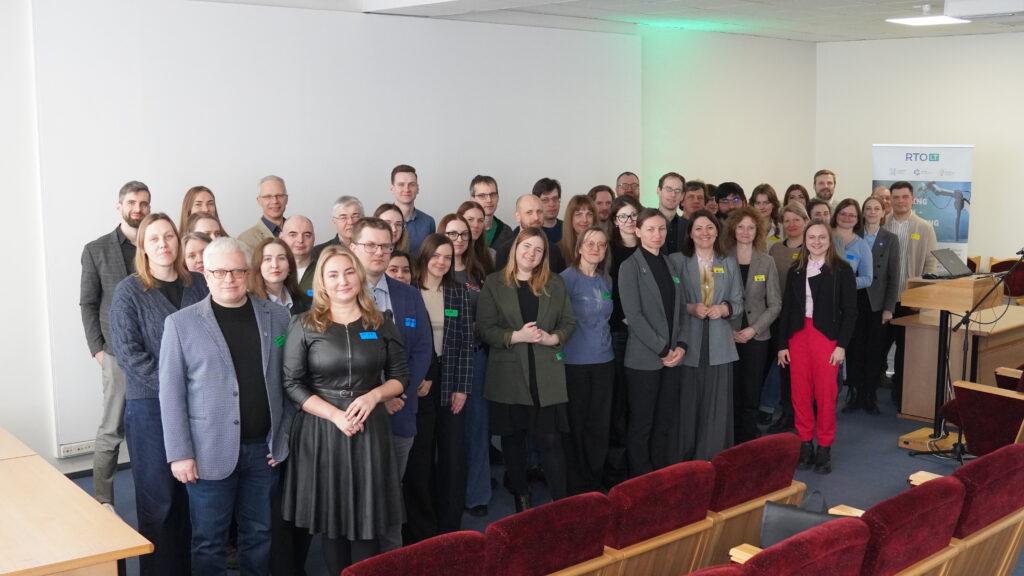
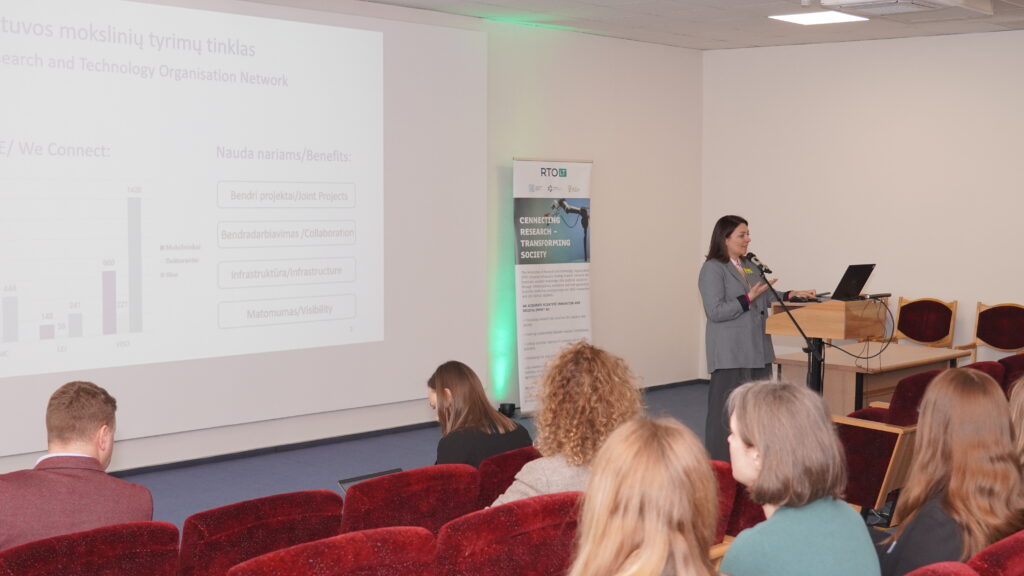
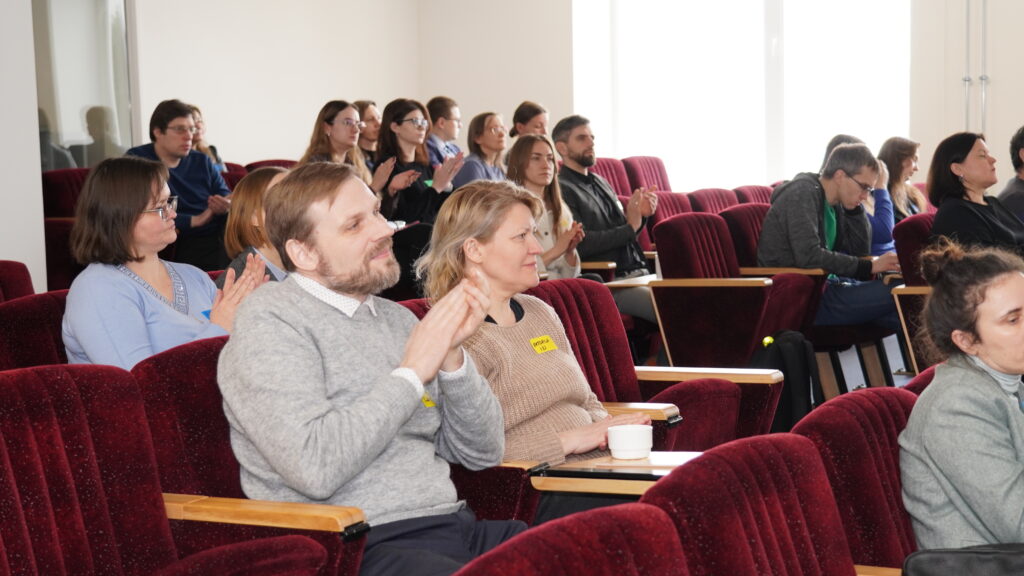
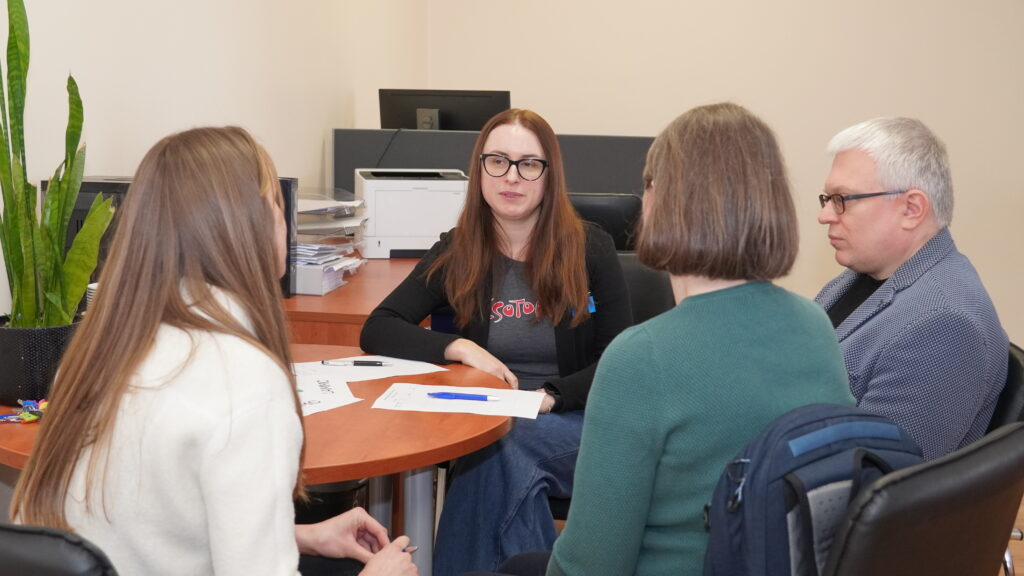
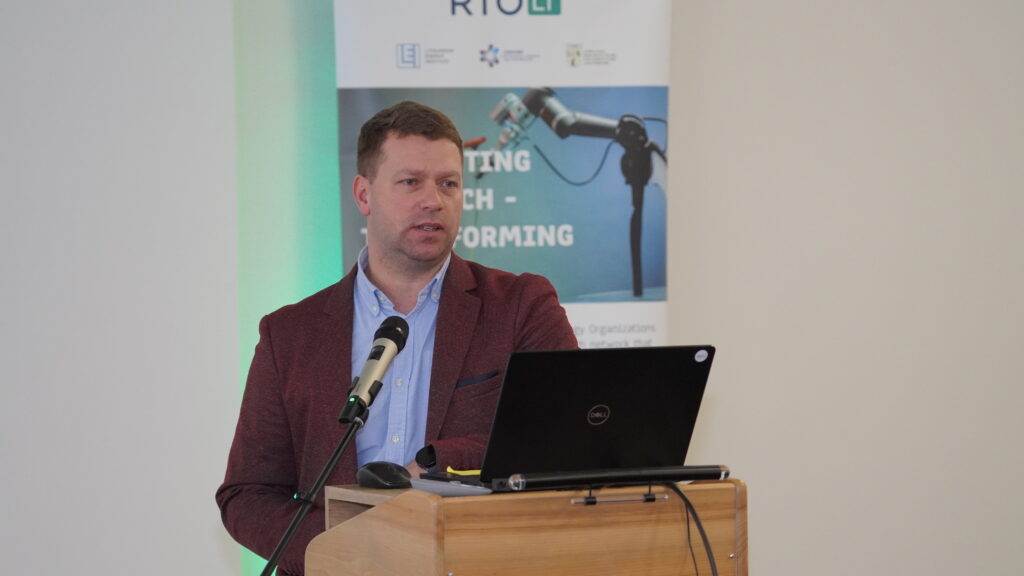
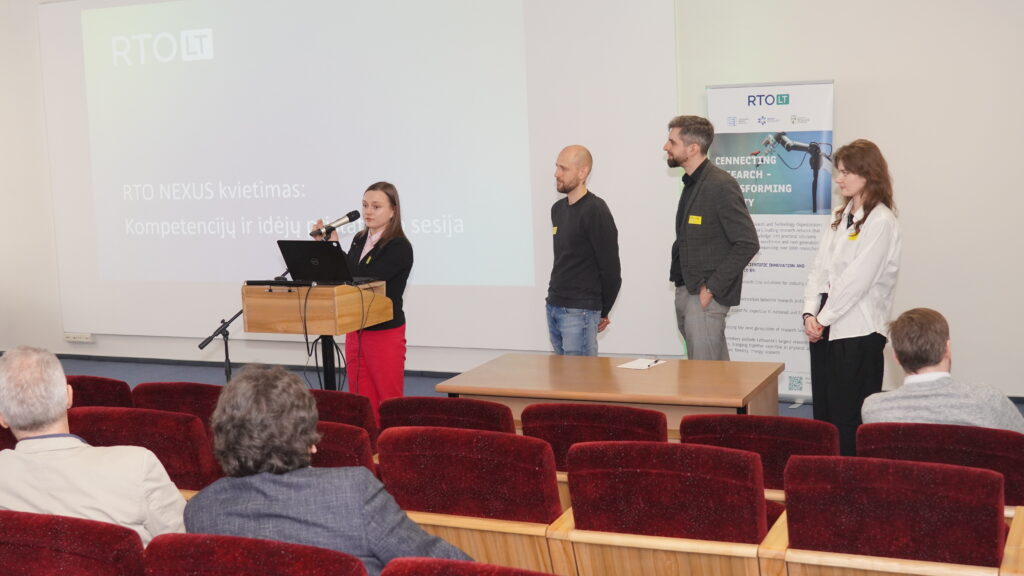
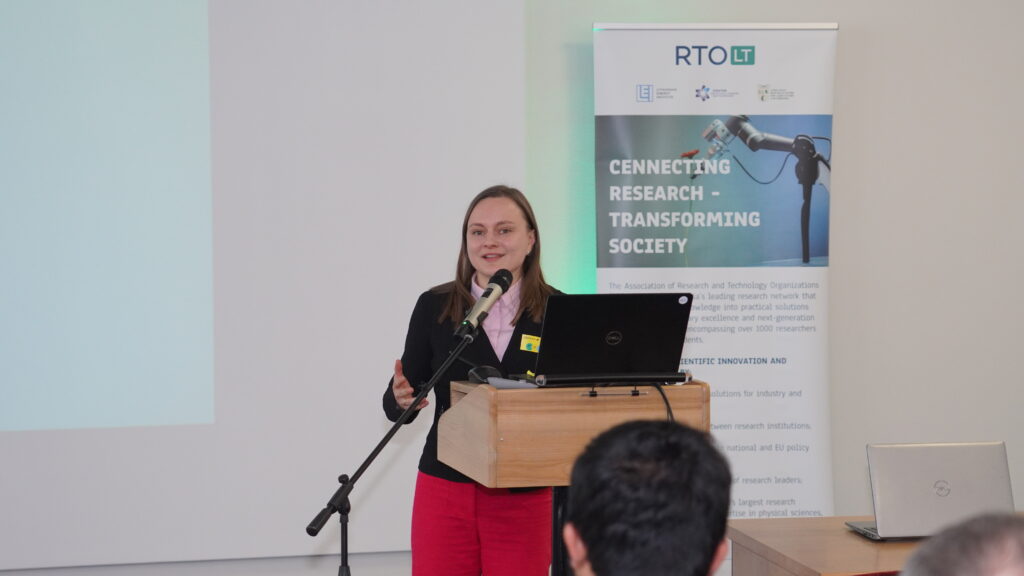
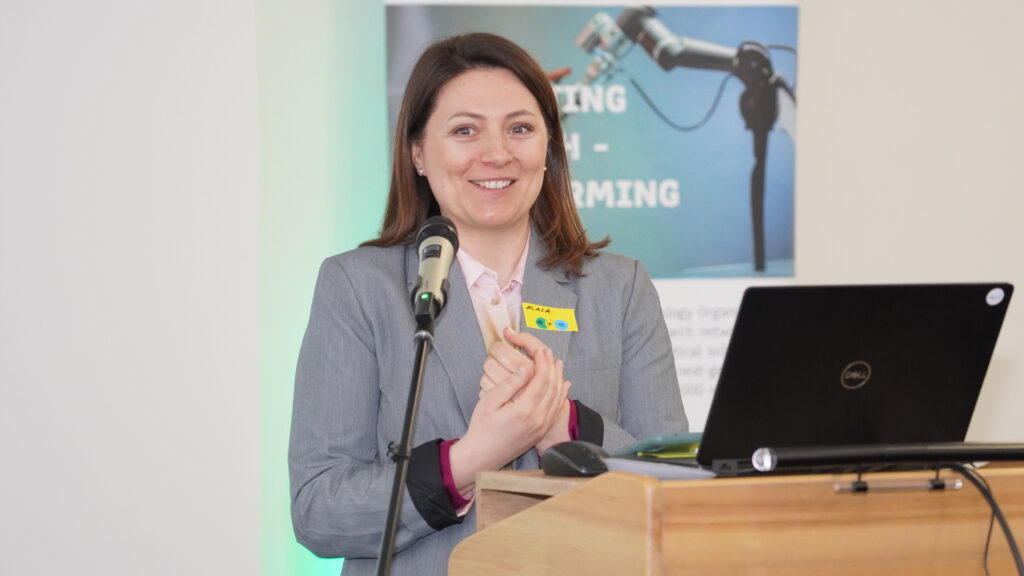
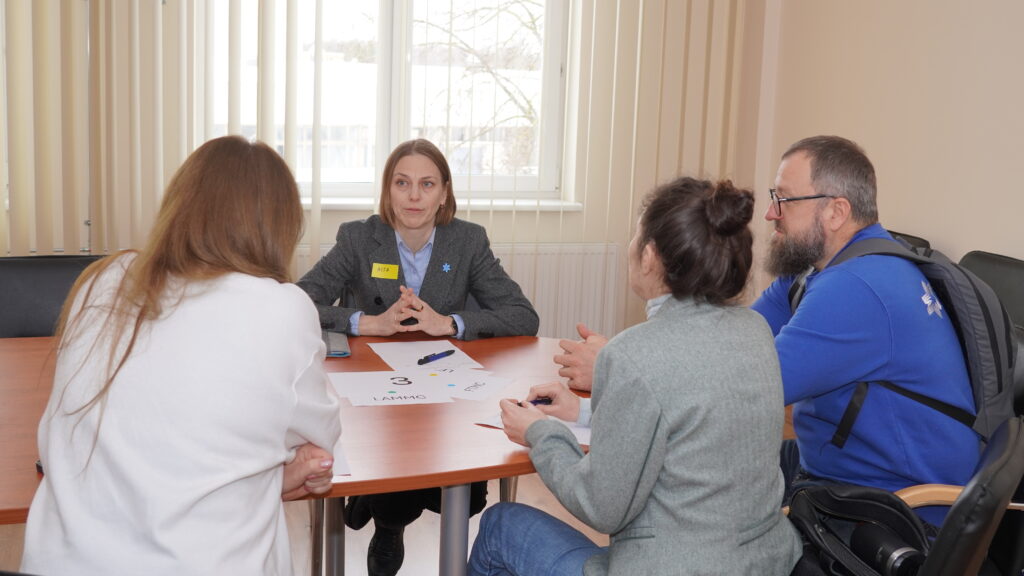
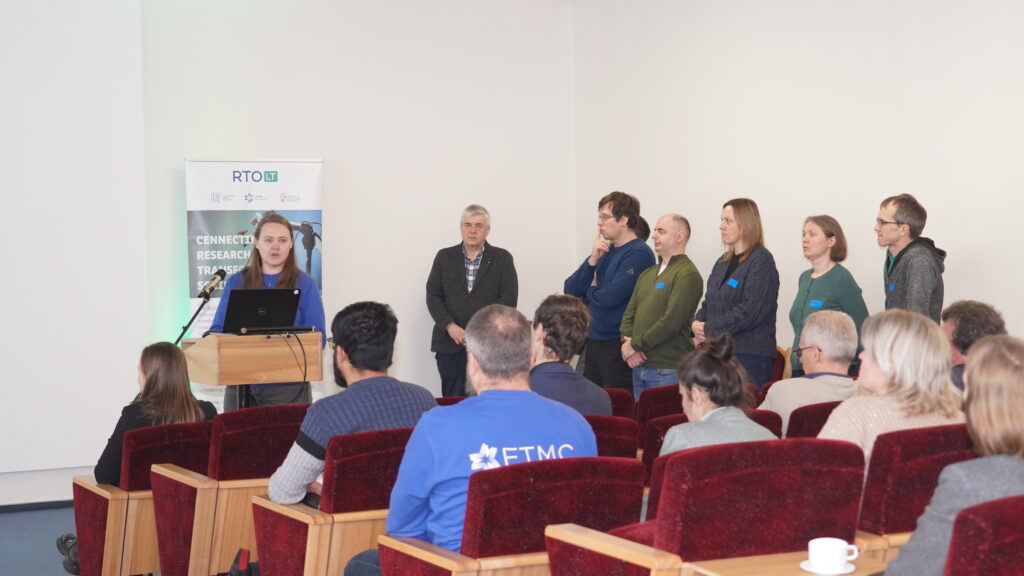
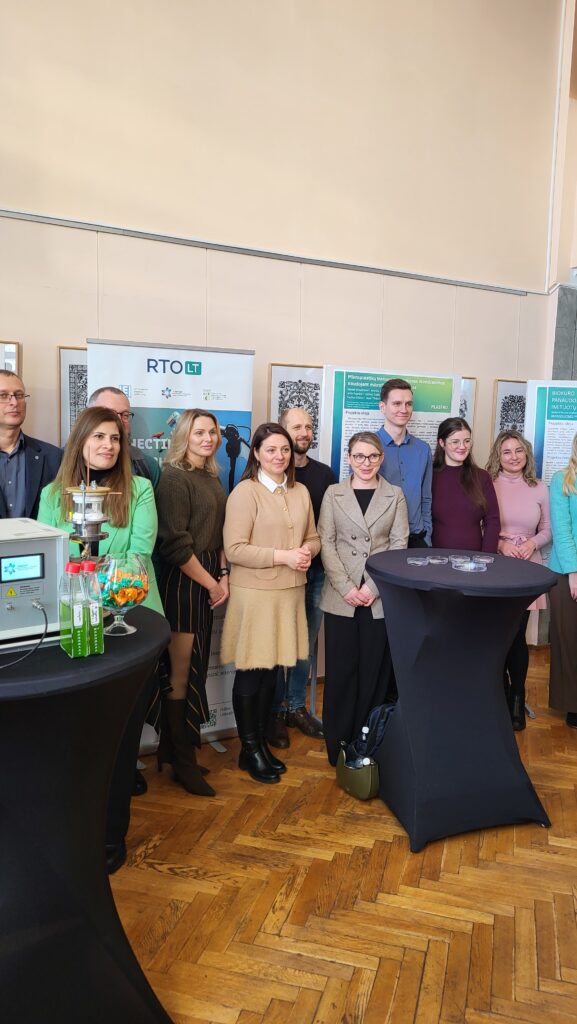
    We invite you to prepare for this call and meet us and other participants in a matchmaking event that will take place on February 27th at 10 am – 1 pm at the LEI premises, address Breslaujos 3, Kaunas. During the event, you will have the opportunity to:

    • get acquainted with RTO activities and current NEXUS call,
    • hear success stories and lessons learned from previous years,
    • establish direct contacts for potential collaboration,
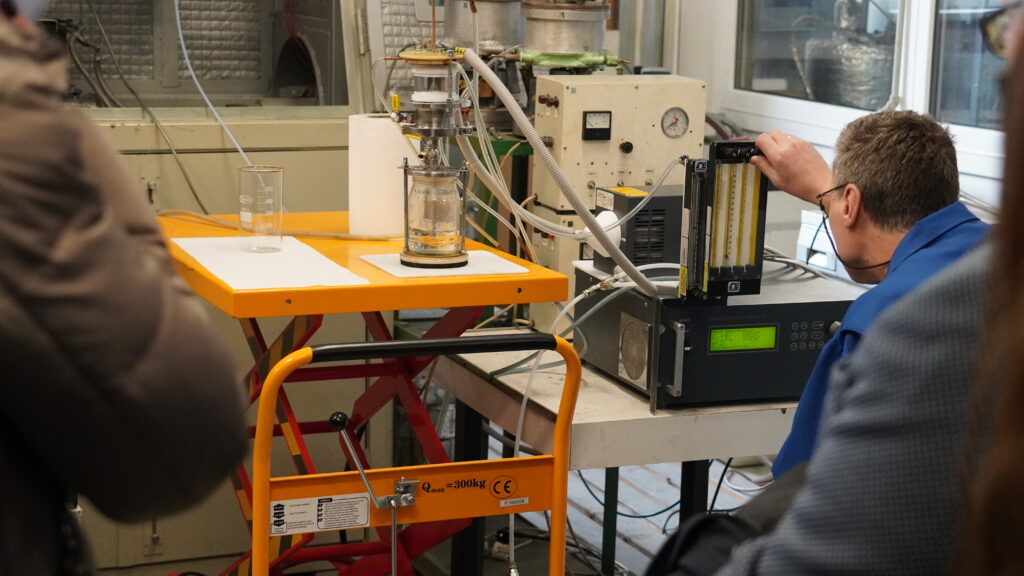
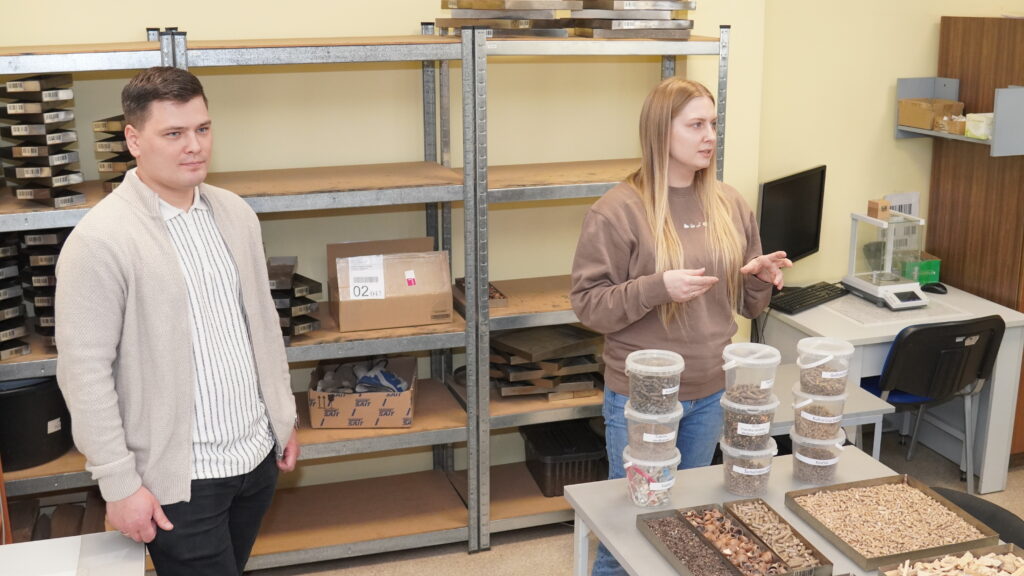
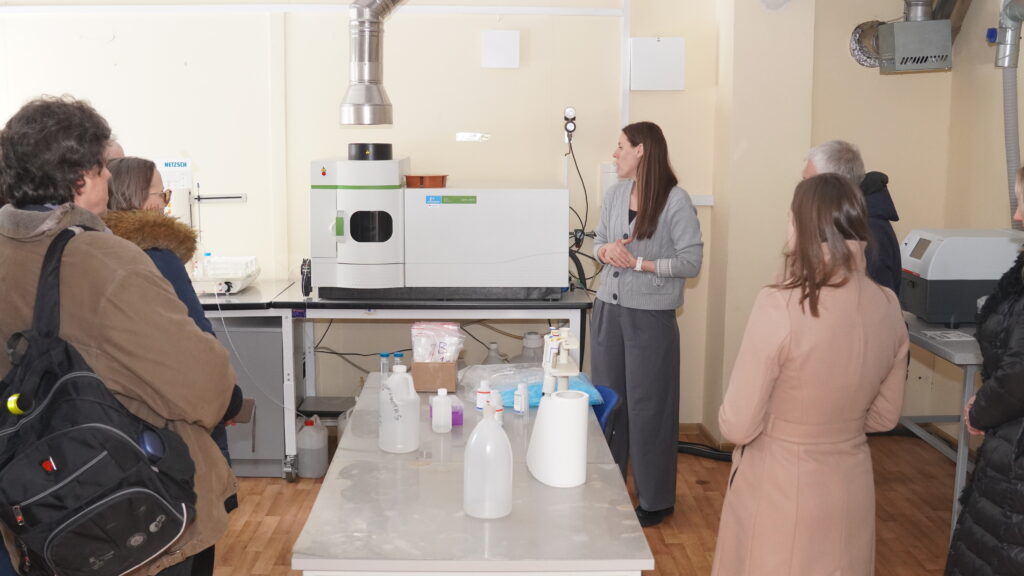
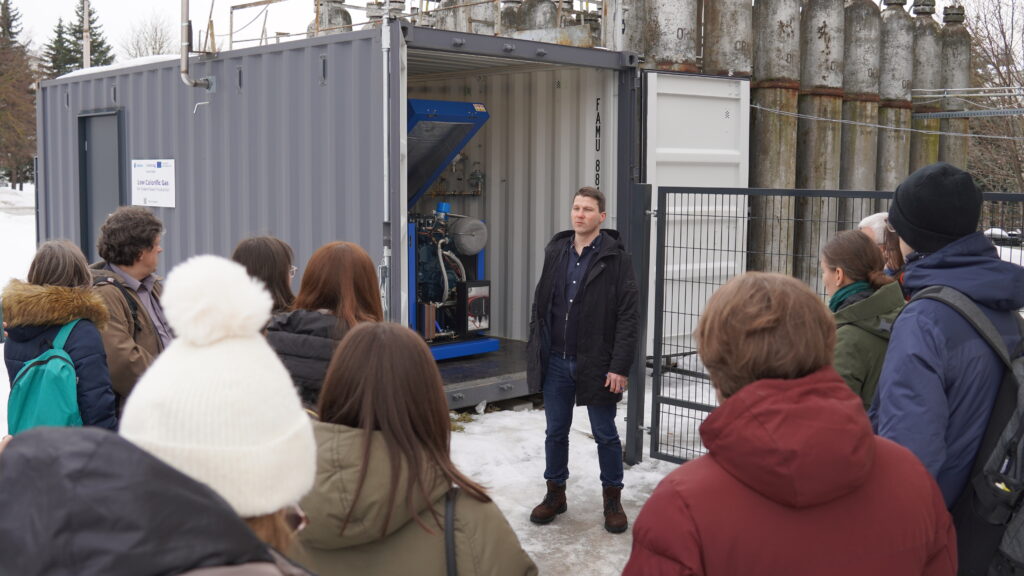
    • learn about the competencies and infrastructure of the laboratories.

    We believe this event will be a great opportunity to find suitable partners and initiate new interinstitutional project activities. Please register for the partnership matchmaking event till 21st of February.

    2026 RTO NEXUS CALL documents:

    Contact persons:

  • RTO Lithuania Showcases Interdisciplinary Research and Funded Projects at the LAMMC National Scientific Conference

    RTO Lithuania Showcases Interdisciplinary Research and Funded Projects at the LAMMC National Scientific Conference

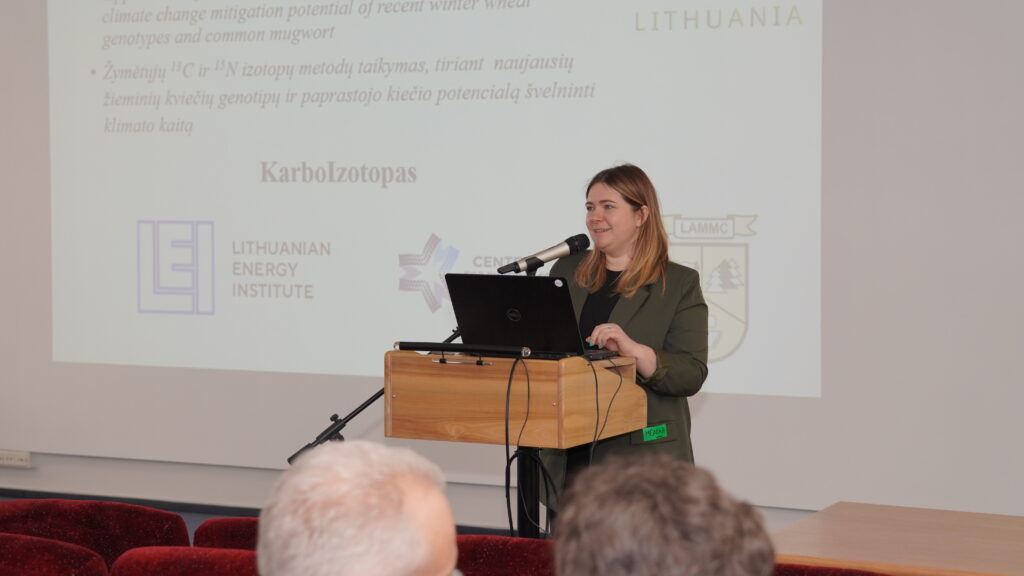
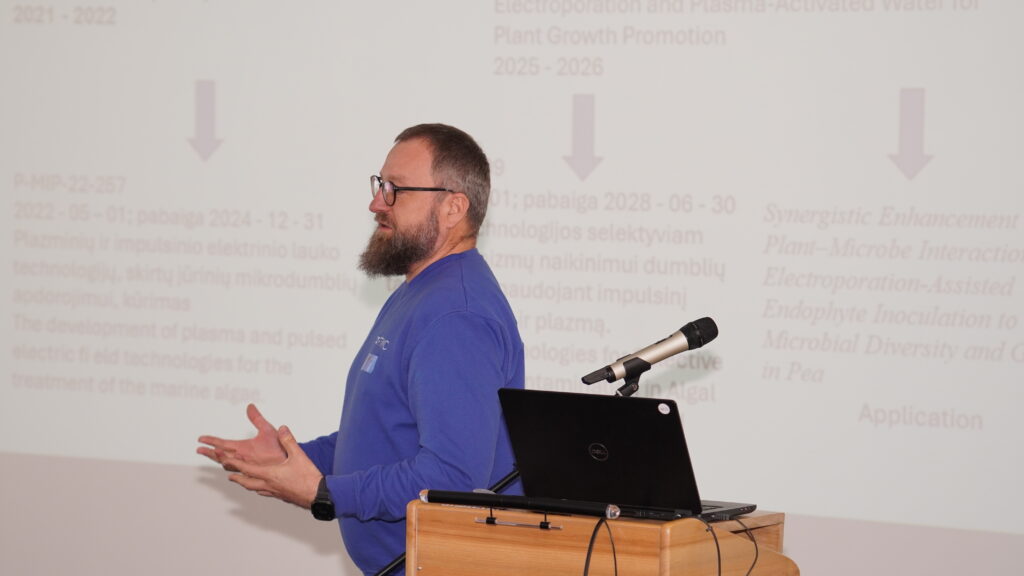
    Last week, the Lithuanian Research Centre for Agriculture and Forestry (LAMMC) hosted a national scientific conference that attracted strong interest from the research community, policymakers, practitioners, and farmers, focusing on sustainable soil management, climate-smart agriculture, and applied environmental research.

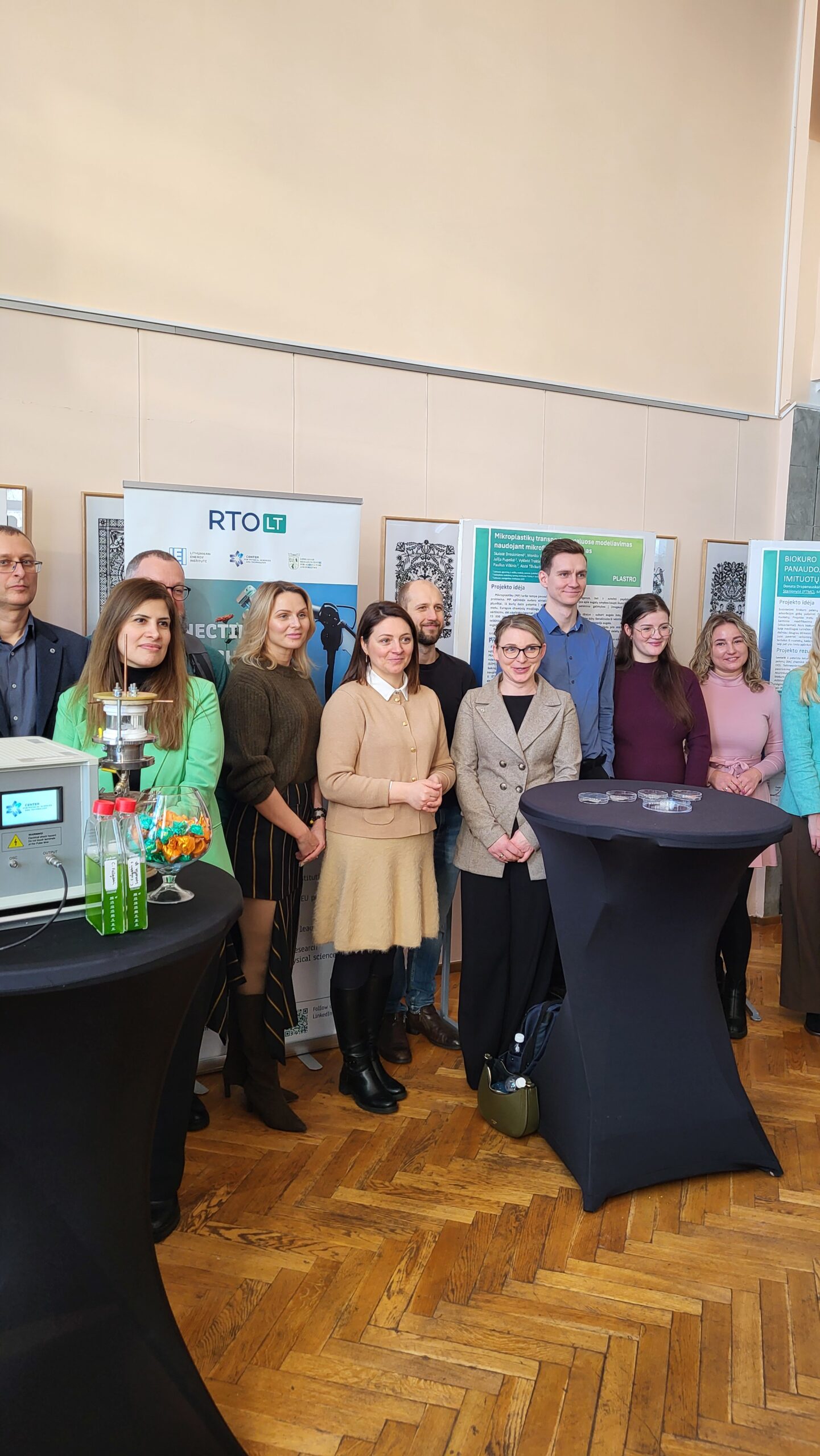
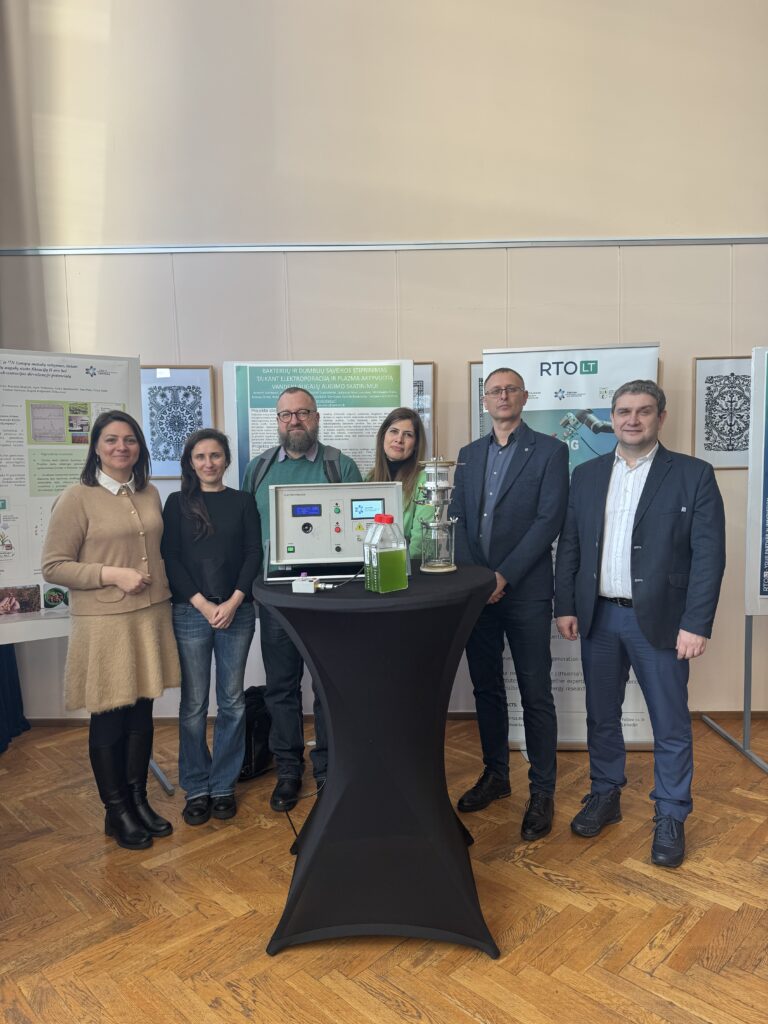
    For the first time, RTO Lithuania participated in the conference not only by presenting its mission and activities, but also together with interdisciplinary research teams that were implementing projects funded through the Association activities. This joint participation highlighted RTO Lithuania’s role as a national platform connecting research excellence across institutions and disciplines.

    During the conference, RTO Lithuania introduced its mission to connect research and transform society by fostering collaboration between leading Lithuanian research institutes and accelerating the translation of scientific knowledge into solutions addressing societal, environmental, and economic challenges.

    RTO-Funded Interdisciplinary Research Projects

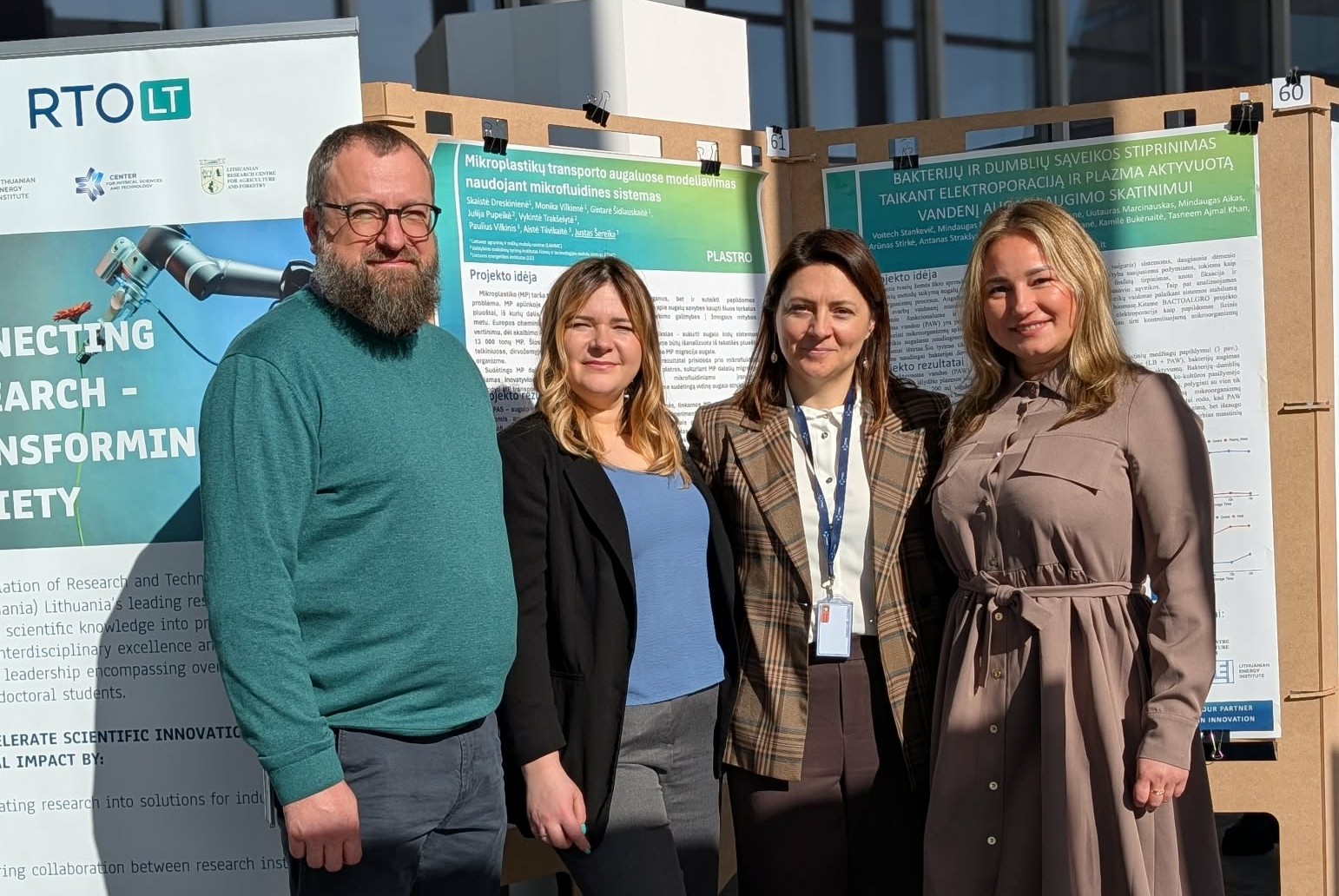
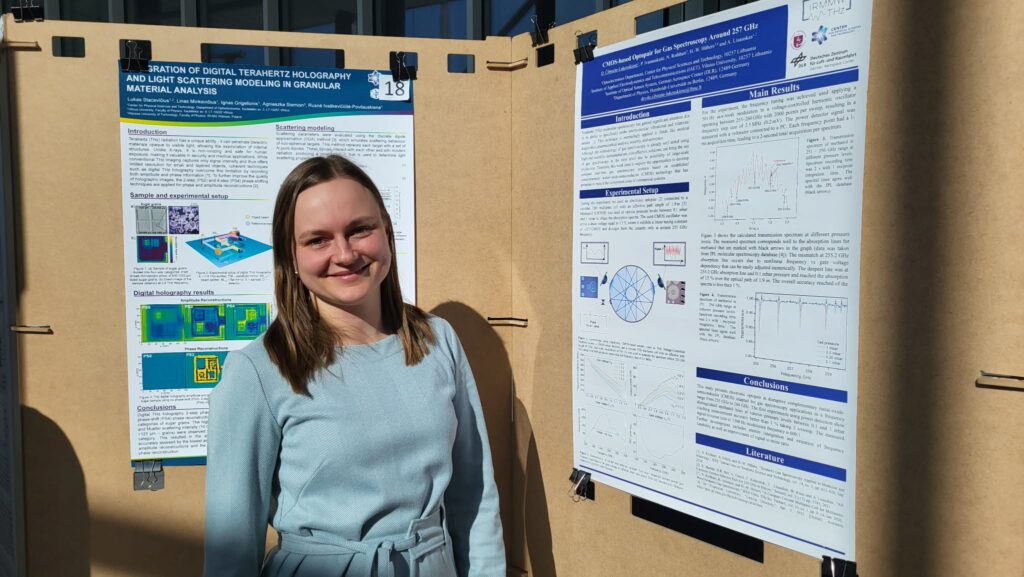
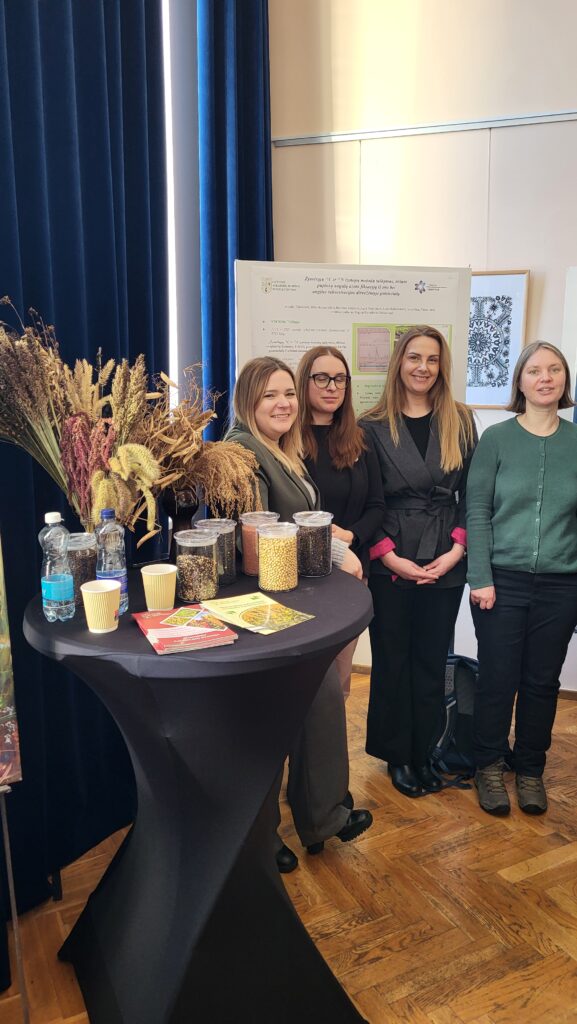
    As part of the poster session, RTO Lithuania showcased four interdisciplinary research projects, implemented jointly by its member organisations and funded through the Association’s internal competitive calls:

    PACE – Drone-Based Remote Detection of Gas Leaks
    The PACE project addresses critical infrastructure safety by exploring the use of unmanned aerial vehicles for detecting gas leaks from pipelines. The project integrates modelling expertise from the Lithuanian Energy Institute (LEI), field experimentation by LAMMC, and sensor technologies developed at the Center for Physical Sciences and Technology (FTMC). Key objectives include the development of UAV flight-planning algorithms and the validation of mathematical models predicting gas dispersion under varying climatic conditions.

    BioDenEta – Bioethanol Potential of Hybrid Tree Clones
    BioDenEta focuses on dendrometric analysis and chemical characterisation of Populus hybrid clones to assess their suitability for bioethanol production under Lithuanian climatic conditions. Implemented jointly by LEI and LAMMC, the project involves detailed chemical analyses of wood samples from 109 hybrid clones using thermogravimetric analysis and calorimetry to estimate their bioenergy potential.

    PLASTRO – Microplastics in Plant Systems
    The PLASTRO project investigates the transport of microplastics within plant systems using advanced microfluidic modelling. Addressing growing global concerns about microplastics entering the food chain, the project represents a cutting-edge intersection of physical and biological sciences, with contributions from FTMC, LEI, and LAMMC.

    Application of ¹³C and ¹⁵N Isotope Methods to Study Biological Nitrogen Fixation and Soil Carbon Sequestration
    This project was an outstanding example for sucsessuful collaboration in the year of 2024. It applies stable isotope techniques to investigate nitrogen fixation in leguminous crops and to assess soil carbon sequestration potential. The research provides valuable insights into nutrient cycling processes and the role of agricultural systems in climate change mitigation.

    Strengthening Collaboration and Looking Ahead

    By participating in the conference, RTO Lithuania reinforced its role as a trusted platform for interdisciplinary research, dialogue between science and practice, and collaboration across institutional and sectoral boundaries. The event also enabled direct engagement with stakeholders from agriculture, forestry, and environmental management, creating opportunities for future joint initiatives and applied research partnerships.

    Later this week, RTO Lithuania will announce a call opening for this years interdisciplinary research ideas competition under a new name RTO NEXUS. The upcoming call will invite research teams to develop ambitious, cross-disciplinary project ideas addressing key societal challenges. Registration details will be published soon.

    Connecting Research. Transforming Society.

  • RTO Lithuania expert Dr. Rasa Pauliukaitė appointed Chair of the Board of the Futuria Scientia Association

    RTO Lithuania expert Dr. Rasa Pauliukaitė appointed Chair of the Board of the Futuria Scientia Association

    RTO Lithuania is pleased to announce that Dr Rasa Pauliukaitė, a chemist at the Center for Physical Sciences and Technology (FTMC), has been appointed Chair of the Board of the Futuria Scientia Association.

    Dr. Pauliukaitė is a recognised expert in nanotechnology and materials chemistry, with extensive experience in national and international research and innovation initiatives. She represents Lithuania within the European Association of Research and Technology Organisations (EARTO) MedTech Working Group, contributing to European-level discussions on emerging technologies for healthcare, medtech innovation, and research policy development.

    Her professional achievements have also been recognised at a national level. Dr. Pauliukaitė was nominated for the Global Lithuania Awards 2021 for bringing a new research direction to Lithuania, focused on advanced electrochemical biosensors and their application in health technologies.

    In her new role as Chair of the Board, Dr. Pauliukaitė will focus on strengthening the mission and visibility of the Futuria Scientia Association, enhancing dialogue with science policy stakeholders, and encouraging stronger engagement of Lithuanian scientists worldwide in national and international initiatives.

    RTO Lithuania welcomes this appointment and values the leadership of high-level experts within its network who actively contribute to the development of Lithuania’s research, innovation ecosystem.

  • Lithuania Sets Strategic Priorities Ahead of the EU’s FP10 Negotiations

    Lithuania Sets Strategic Priorities Ahead of the EU’s FP10 Negotiations

    Recently, Lithuania has published its official position on the upcoming 10th European Union Framework Programme for Research and Innovation (FP10), outlining key priorities for strengthening European research, innovation, competitiveness, and strategic autonomy.

    Approved by the Government and presented by the Ministry of Education, Science and Sport, Lithuania’s position stresses that FP10 should continue to serve as the backbone of the European Research Area (ERA) and the EU’s global competitiveness, while better synchronizing with other EU, national, and regional funding instruments.

    • Boosting Knowledge Creation: Lithuania urges increased funding for fundamental research, including support for frontier science, social sciences, humanities, and arts, with mechanisms such as “Research Actions” for curiosity-driven projects at lower Technology Readiness Levels (TRLs). The country also emphasizes maintaining flagship instruments like the European Research Council and Marie Skłodowska-Curie Actions to strengthen research careers and collaboration.
    • R&D of strategic Technologies & Dual-Use: In light of evolving geopolitical challenges, Lithuania calls for enhanced support for research and development in critical and dual-use technologies while ensuring this support is carefully coordinated across the EU’s Multiannual Financial Framework.
    • International Cooperation & Research Security: The position endorses a balanced international collaboration approach “as open as possible and as closed as necessary” to deliver EU-led innovative solutions to global challenges. It also advocates revisiting open science policies to respond to current security needs.
    • Strategic Inclusion of Candidate Countries: Recognizing the strategic importance of enlargement, Lithuania proposes tailor-made integration measures for candidate countries like Ukraine and Moldova, including rebuilding and integrating their research and innovation ecosystems into the ERA.

    Lithuania highlights the importance of broadening participation in FP10:

    • Restructuring the Widening agenda to mainstream capacity-building across all pillars of the programme.
    • Funding more diverse project types — including smaller collaborative projects to enhance participation.
    • Streamlining administrative processes with tools such as lump-sum financing and blind evaluation to reduce biases and barriers.

    Lithuania’s position arrives as EU member states and stakeholder organizations prepare their inputs ahead of negotiations on FP10, which is expected to become the EU’s flagship research and innovation programme for 2028–2034.

  • RTO Lithuania Participates in the joined Lithuania–Poland Summit for Life Science & Biotech Ecosystems

    RTO Lithuania Participates in the joined Lithuania–Poland Summit for Life Science & Biotech Ecosystems

    RTO Lithuania took part in the Lithuania–Poland Life Science & Biotech Ecosystems Summit held on 27th of November in Vilnius—an important regional event bringing together key stakeholders from research, innovation, and industry. We extend our appreciation to LithuaniaBIO for the invitation and for organizing this valuable initiative aimed at strengthening cross-border collaboration.
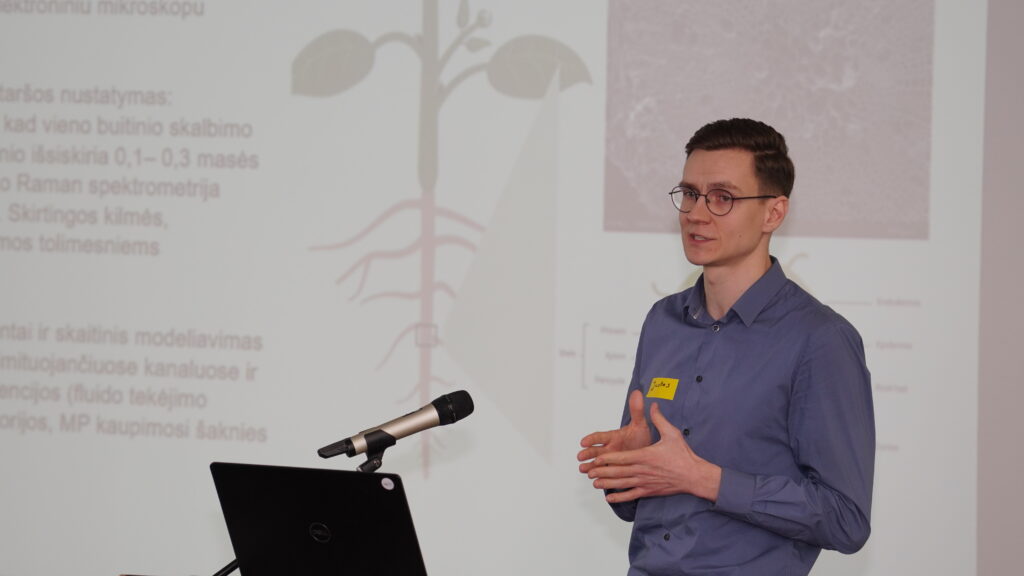
    During the session Technology Transfer & Academia–Industry Collaboration, RTO Lithuania representative Dr. Paulina Štrimeikytė (LAMMC) highlighted the essential role that Research and Technology Organizations play in the innovation ecosystem. These include:

    • fostering interdisciplinarity,
    • shaping science and innovation priorities,
    • acting as reliable partners in cross-border research and innovation projects.

    In another session, RTO expert Dr. Arūnas Stirkė (FTMC) shared insights on interdisciplinary cooperation and contributed to the panel discussion “How can Lithuanian–Polish collaboration accelerate biotech startups to global markets?”

    A clear message emerged from the discussion:

    Only well-structured cooperation between academic institutions, RTOs, technology transfer offices, and industry can create the critical mass required to tackle complex societal challenges and drive innovation at scale.

    By connecting scientific expertise, research infrastructures, and innovation capabilities across borders, Lithuania and Poland can unlock opportunities and achieve results that would be unattainable individually.

    RTO Lithuania welcomes RTOs, research institutes, universities, and innovation-driven companies across the region to collaborate with us in joint project development and consortium building.

  • EARTO celibrates 25 years shaping European R&D&I Policy

    EARTO celibrates 25 years shaping European R&D&I Policy

    On October 14, 2025, our representative Dr. S. Rimkevičius participated in the EARTO (European Association of Research and Technology Organisations) Board Meeting and the EARTO Innovation Awards event, which was held alongside the celebration of EARTO’s 25th anniversary. The event was attended by Markus J. Beyrer from BusinessEurope, and Manuel Aleixo, Alexandr Hobza, and Christian Ehler from European Commission.

    During the Board Meeting, recommendations were presented concerning the European Commission’s proposal for the new funding period (2028–2034) of the EU’s research and innovation program Horizon Europe and the European Competitiveness Fund. The importance of these programs for Lithuania was also emphasized by Dr. S. Rimkevičius.

    EARTO unites 350 non-university research centers from 32 countries (including associated EARTO members from non-EU countries) and plays an active role in shaping EU science policy and representing the interests of non-university research institutes and centers.

    EARTO Proposals to the European Commission

    Proposal 1. EARTO points out that despite the expected increase in funding for collaborative R&D&I projects (Pillar II) in the new Horizon Europe program, this increase is smaller compared to other program pillars, accounting for only 43% of the program’s budget. EARTO proposes restoring the proportion from the previous program and allocating 60% of the budget to collaborative R&D&I projects, taking into account Europe’s strategic priorities related to technological sovereignty across key industrial sectors and value chains.

    Proposal 2. EARTO proposes increasing funding for research and technology infrastructures to ensure that Europe remains globally competitive. While the European Commission’s proposed €10.9 billion budget for research and technology infrastructures is welcomed, it does not meet actual needs. A recent European Investment Bank study estimated that the funding requirement for technology infrastructures alone in Europe will reach €13–16 billion by 2030.

    Relevance of the Proposals to Lithuania

    Preliminary discussions with RTO Lithuania partners and representatives of the Lithuanian Research Council revealed that these EARTO recommendations are also highly relevant to Lithuania. The country receives the majority of its Horizon Europe funding through collaborative R&D&I projects (Pillar II). Nevertheless, strengthening research and technology infrastructures remains a critical issue in Lithuania. In addition, S. Rimkevičius emphasized the importance of the “Widening Participation and Spreading Excellence” program for Lithuania during the EARTO meeting.

    The insights shared by S. Rimkevičius represent a preliminary exchange of views. A more defined position reflecting the interests of Lithuania’s research and business communities regarding the Horizon Europe program will be formulated on October 30 at a discussion organized by the Ministry of Education, Science, and Sport on the European Commission’s proposal for the 10th EU Framework Programme for Research and Innovation (Horizon Europe).

    EARTO Innovation Awards

    Dragonfly® Vibration Sensor (CEA, France)
    The French Alternative Energies and Atomic Energy Commission (CEA) won the EARTO Innovation Award in the “Impact Delivered” category for its development of Dragonfly®—a groundbreaking universal sensor that outperforms traditional vibration sensors in sensitivity, versatility, and cost-effectiveness. Developed using advanced semiconductor technology, Dragonfly® is 1,000 times more sensitive and 100 times more versatile than conventional sensors. These sensors are used in the aerospace industry and for monitoring critical industrial equipment.

    Next-Generation Cryogenic Chips (VTT, Finland)
    Finland’s research and innovation center VTT won the EARTO Award in the “Expected Impact” category for developing innovative cryogenic chips. Unlike standard metal-oxide semiconductor chips that generate substantial heat, cryogenic chips ensure minimal energy dissipation and are designed to operate in extremely cold environments (-270 °C). This innovation paves the way for advancements in quantum computing, electronics, space exploration, and environmental monitoring. It also strengthens the EU’s semiconductor industry and supports Europe’s strategic autonomy in key technologies.

  • EARTO Working Group on Healthcare Technologies Meets in Vilnius

    EARTO Working Group on Healthcare Technologies Meets in Vilnius

    On September 23–24, the EARTO Working Group on Emerging Technologies for Healthcare held its biannual meeting at the Center for Physical Sciences and Technology (FTMC) in Vilnius. The group brings together experts from across Europe to discuss the strategic role of health technologies within EU research programmes.

    FTMC, a member of EARTO since 2019, was represented by Prof. Rasa Pauliukaitė of the Department of Nanoengineering. Participants included representatives from leading European RTOs such as IMEC (Belgium), Tecnalia (Spain), CEA (France), Metrosert (Estonia), VTT (Finland), the Tyndall National Institute (Ireland), and AIT (Austria), as well as RTO Lithuania.

    “These meetings are a great opportunity to explore each RTO’s capabilities and foster partnerships for future EU projects,” noted Prof. R. Pauliukaitė.

    The group addressed key challenges in the field, including the commercialisation of healthcare technologies and disparities in innovation levels across European regions due to regulatory differences. Special focus was placed on underfunded yet crucial areas such as rehabilitation technologies and the integration of AI, sensors, and digital tools in patient care. The meeting ended with a tour through scientific laboratories of FTMC.

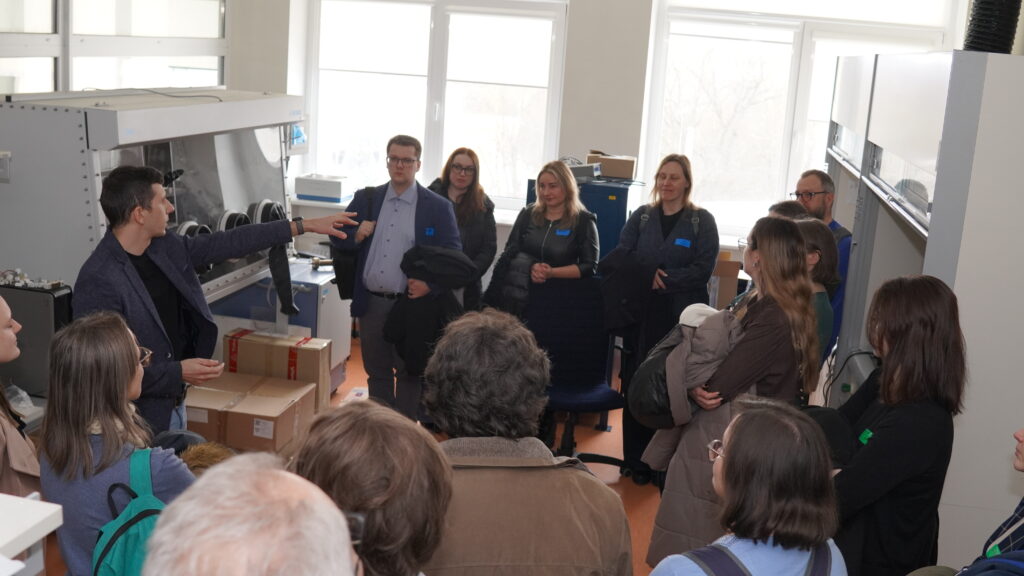
    Viktorija Reinikovaitė, a PhD student at the Bioelectrical Phenomena Laboratory of the Department of Functional Materials and Electronics at FTMC, with EARTO representatives and “RTO Lithuania” Director Rasa Kulvietienė (second from the right). Photo by FTMC.

  • Submit Your Research on Ecology Topic now!

    Submit Your Research on Ecology Topic now!

    With the start of the new school year we are inviting you to present your research on Ecology topic in the international chemistry conference EcoBalt2025 uniting scientists from the Baltic states and having workshops and intriguing keynote speeches from the world-leading scientists.

    The conference focuses on Green and sustainable chemistry, Environmental physics and chemistry, Analytical and Aquatic chemistry, as well as Environmental toxicology and ecology. The participants are invited to take part in two workshops on Detection of Pharmaceuticals in Wastewater and Microplastics Analysis.

    Submit your abstract by Wednesday (3rd of September) as registration closes soon!

    Find the list of keynote and invited speakers:

  • RTO Lithuania Welcomes New Director, Rasa Kulvietienė

    RTO Lithuania Welcomes New Director, Rasa Kulvietienė

    We are pleased to announce that RTO Lithuania has appointed a new Director – Rasa Kulvietienė, former Adviser for Science to the Minister of Education, Science and Sport. With a strong background in innovation consulting and international collaboration, Rasa brings valuable experience from her previous work at the Science, Innovation and Technology Agency, as well as her involvement with the Massachusetts Institute of Technology (MIT) and the Cambridge program Ideas to Innovation. Her appointment was officially approved by the Executive Board on August 26, 2025.

    On her first day in the new role, Rasa Kulvietienė shared: “I am happy to join RTO Lithuania – a strong community of science and technology. I believe that only through collaboration can we leverage scientific knowledge to tackle the most pressing challenges facing our state and society. I invite you to collaborate and create change together!”

    At the same time, we extend our sincere gratitude to Dr. Linas Eriksonas, the former Acting Director, for his dedicated leadership over the past years. Under his guidance, RTO Lithuania has grown into one of the leading institutions in the deep-tech ecosystem of the Baltic States. Dr. Eriksonas will continue to support the organization as an experienced facilitator of deep-tech ecosystems.

  • DeepTech Entrepreneurship Toolbox: Forge Your Own Path in DeepTech

    DeepTech Entrepreneurship Toolbox: Forge Your Own Path in DeepTech

    Two-year Baltic Sea Region Interreg project – Deep Tech Entrepreneurship Launchpad (BSR DeepTech Launch) – fostering STEM entrepreneurship among students and young researchers to boost deep-tech innovation in Polish, German, and Lithuanian economies comes to an end.

    The project addressed the technology talent gap of each of the regions by creating a DeepTech Entrepreneurship Toolbox. This Toolbox equips students and young researchers with the necessary tools to explore entrepreneurship and drive innovation. It is designed to be accessible to various organizations and regions, empowering future entrepreneurs to successfully enter and thrive in the market.
    How to use the Toolbox?

    • Choose where you would like to start your business journey (Lithuania, Poland, or Germany)
    • Choose your business development stage (from blue – with no experience and no idea – to green – already having an official company)
    • Your needs (to think, learn, or act) for the next stage of the growth of your DeepTech company

    The DeepTech Entrepreneurship Toolbox for Lithuanian DeepTech Ecosystem was created in response to young researchers feedback who participated in DeepTech workshops organized by RTO Lithuania and the Lithuanian Innovation Centre (LIC) at the end of November, 2024. Survey results revealed strong knowledge gains and high satisfaction among participants but also identified gaps in practical readiness, self-study guidance, and real-life application.

    The Toolbox was therefore developed to provide a structured, accessible platform supporting continuous learning in deep-tech entrepreneurship. It offers practical resources, real-world case studies, and self-learning tools to strengthen participants’ ability to manage and grow deep-tech ventures. Building on the workshops’ proven success and high demand for ongoing support, the Toolbox ensures consistent, high-quality content and broader accessibility empowering young researchers and students across the Baltic Sea Region to forge their paths in DeepTech.