
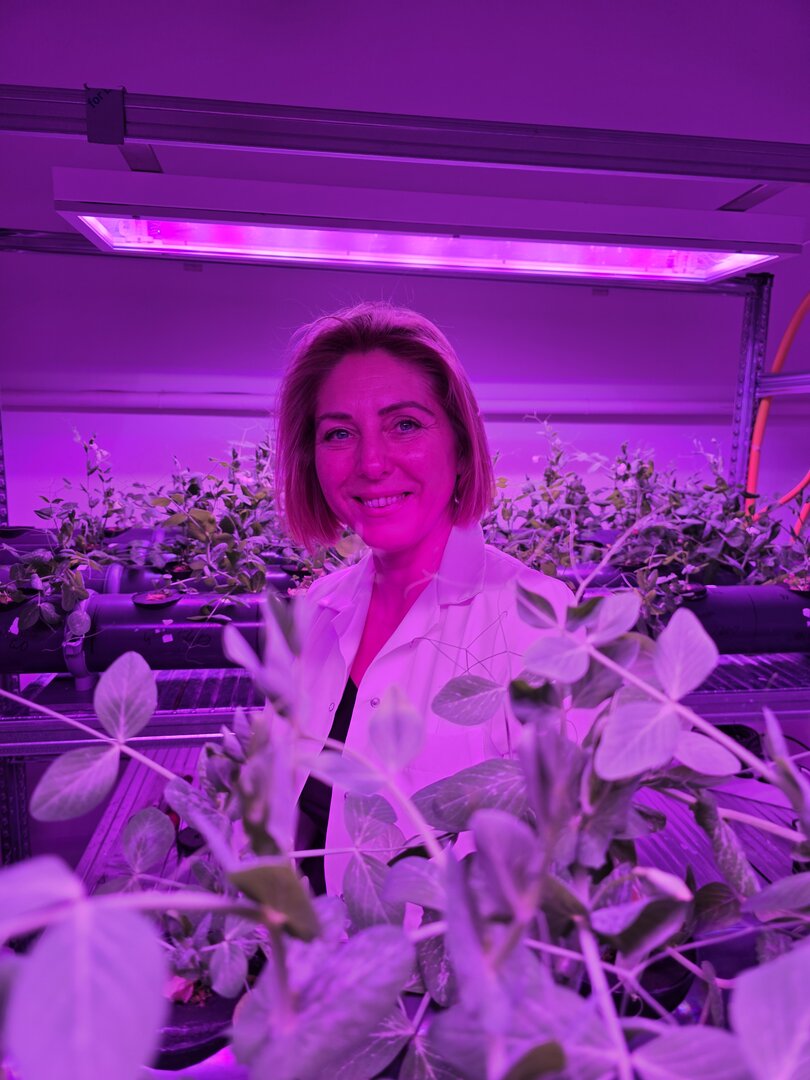
As climate change, extreme weather events, and geopolitical challenges continue to reshape global food systems, innovative technologies are becoming essential for ensuring sustainable and resilient food production. One of the most promising emerging fields is agri-photonics – the application of advanced light technologies to optimize plant growth, improve resource efficiency, and increase agricultural productivity.
Light Technologies for a More Resilient Agriculture
Agriculture and food production remain among the sectors where photonics technologies have significant untapped potential. “Agri-photonics solutions are advancing particularly rapidly in the Netherlands, Finland, and France – countries where agricultural land is a scarce and valuable resource. Continuous innovation helps maximize land productivity while using resources more efficiently. This direction is equally relevant for Lithuania, where agricultural and food exports remain an important part of the national economy. Investments in advanced technologies could strengthen the sector’s efficiency, competitiveness, and resilience to climate change,” says Dr. Čibiraitė-Lukenskienė – Phorwards21 project expert at RTO Lithuania.
Scientific research demonstrates that different wavelengths of light influence plant growth and development in different ways. By tailoring light conditions, researchers can improve resource efficiency, stimulate plant productivity, and enhance crop quality while reducing environmental impact.
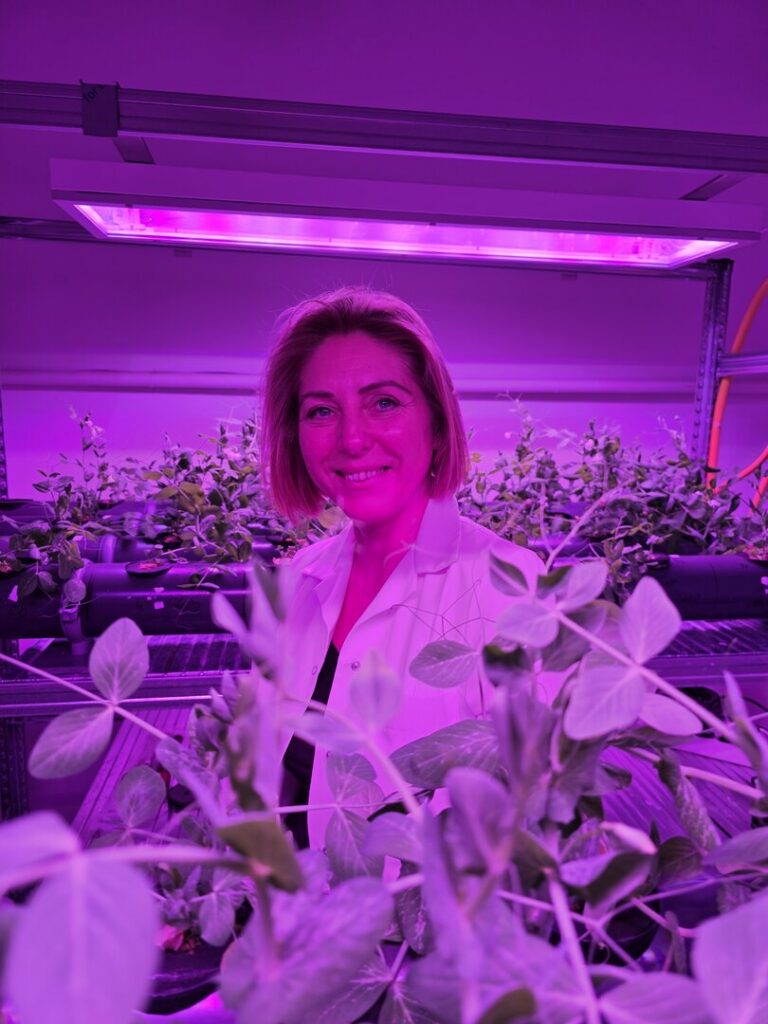
Dr. Giedrė Samuolienė, Chief Researcher and Head of the Laboratory of Plant Physiology at the Lithuanian Research Centre for Agriculture and Forestry (LAMMC), says that agri-photonics has already moved beyond theoretical research: “Today, agri-photonics is no longer a vision of the future. It is a science-based solution with real potential to help Lithuania develop a more sustainable, productive, and climate-resilient agricultural sector”.
European Collaboration Driving Innovation
The Phorwards21 project, funded by the European Union’s Horizon Europe programme, brings together research organisations, technology developers, and industry partners from across Europe to accelerate the adoption of photonics solutions in multiple sectors, including agriculture and food production.
By fostering collaboration between science and industry, the project contributes to the development of innovative technologies capable of addressing global sustainability challenges.
As agriculture continues to evolve, competitiveness will increasingly depend not only on what we grow, but also on how effectively we apply science and advanced technologies to produce food more sustainably.

This article was co-funded by the European Union. Views and opinions expressed are however those of the author(s) only and do not necessarily reflect those of the European Union or the granting authority. Neither the European Union nor the granting authority can be held responsible for them.