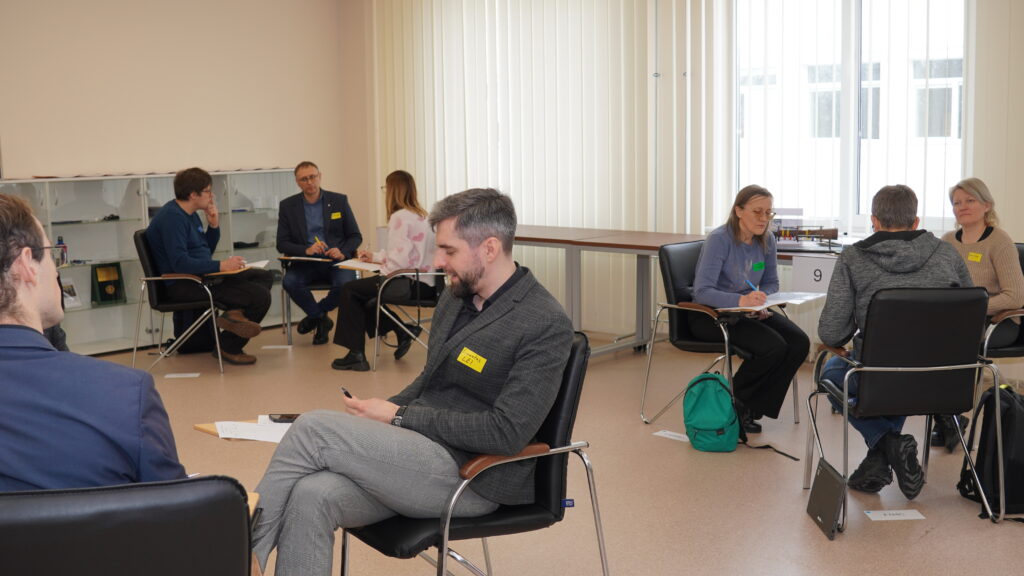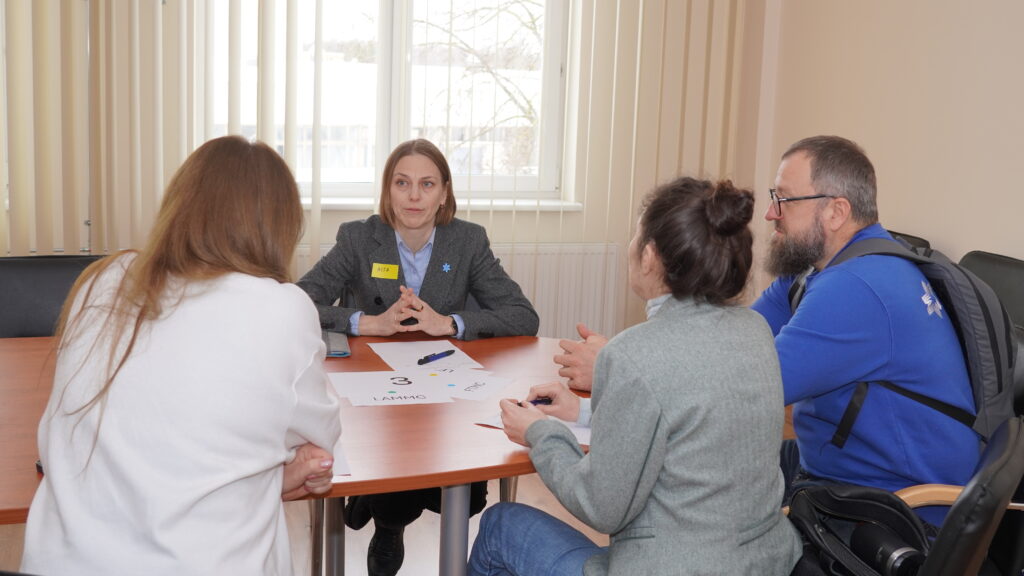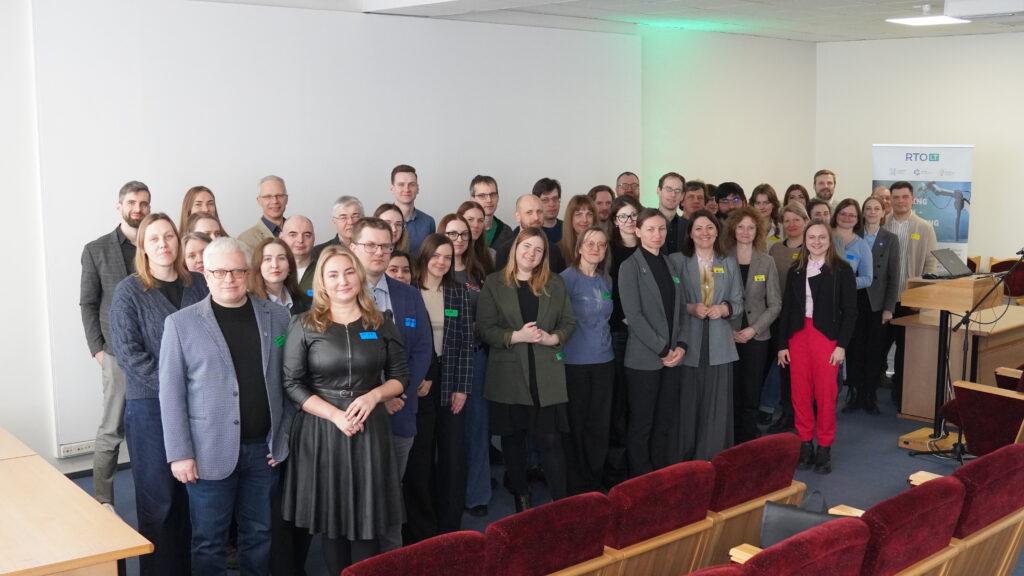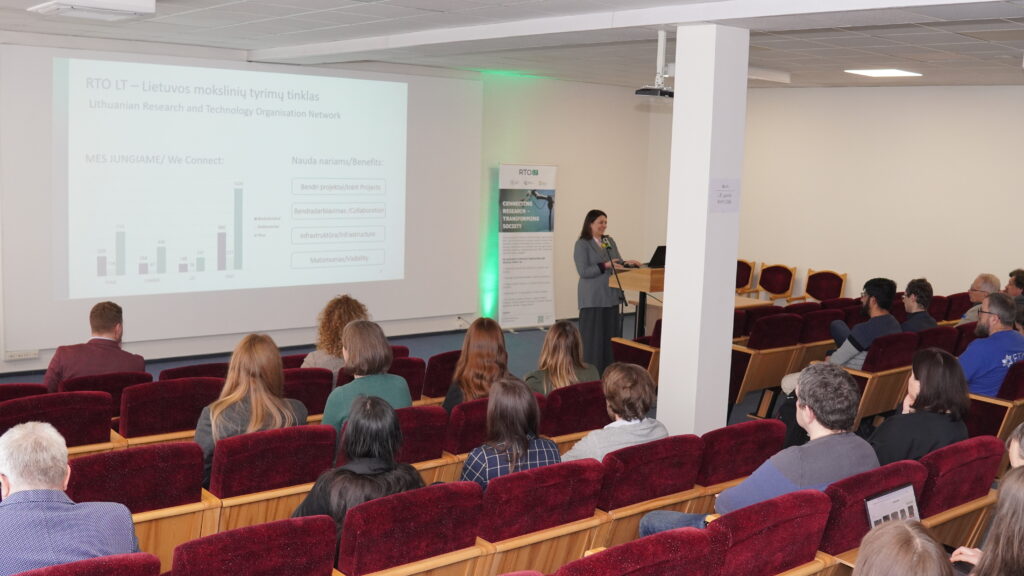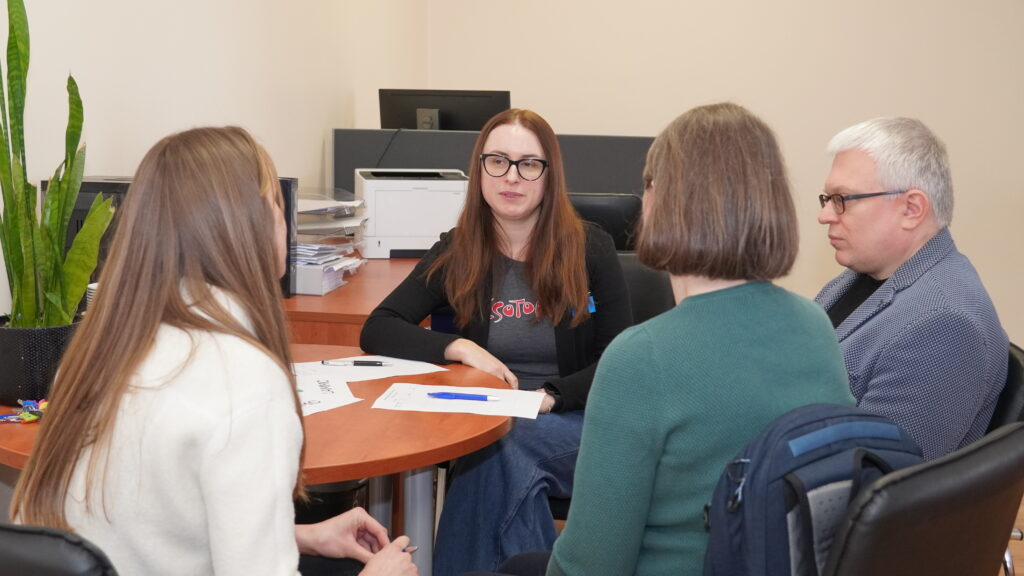
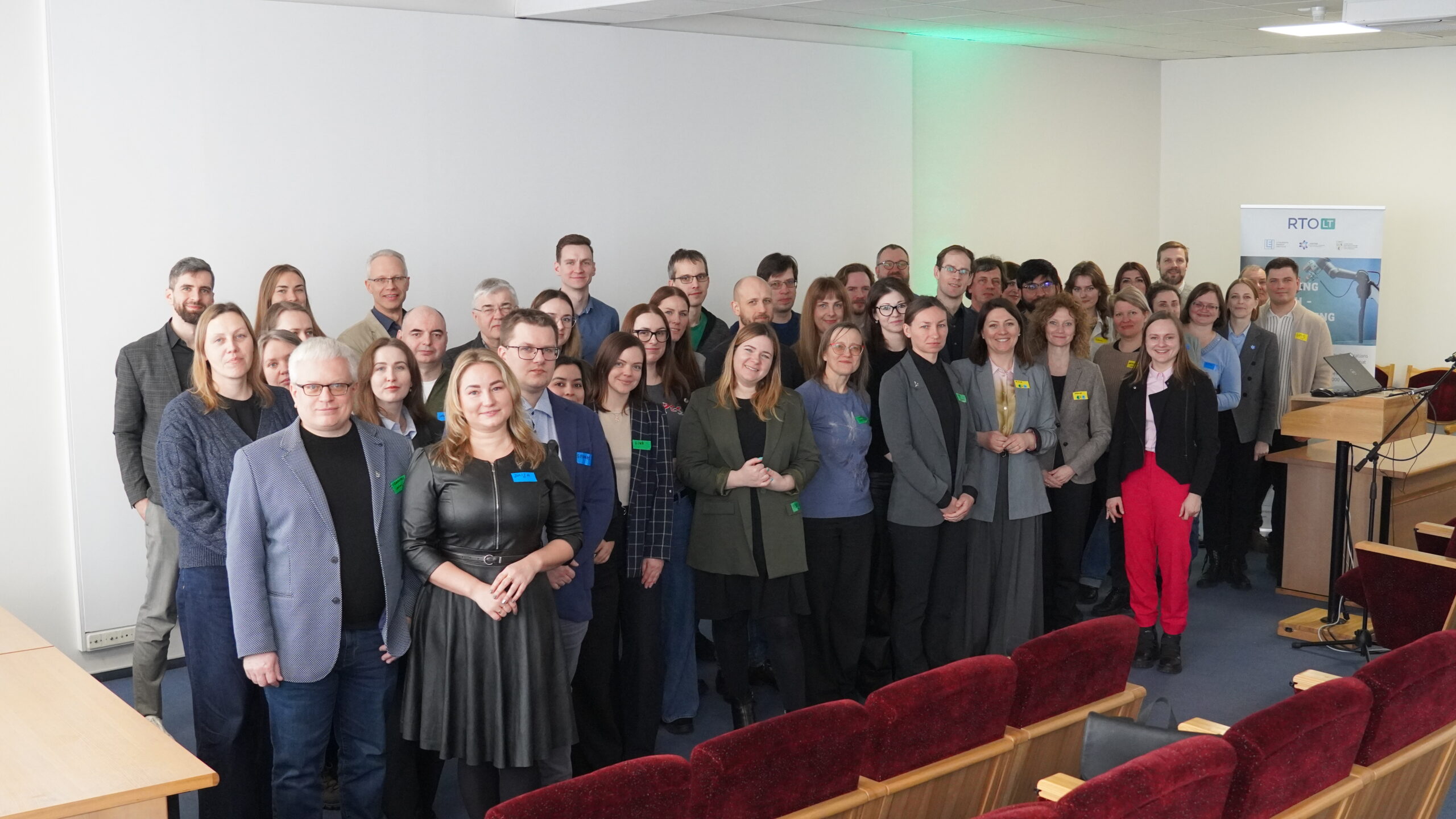
The Lithuanian Energy Institute (LEI) hosted an RTO NEXUS matchmaking session, bringing together researchers from the Lithuanian Research and Technology Organisation Network (RTO LT) members to build concrete pathways for inter-institutional and interdisciplinary collaboration.
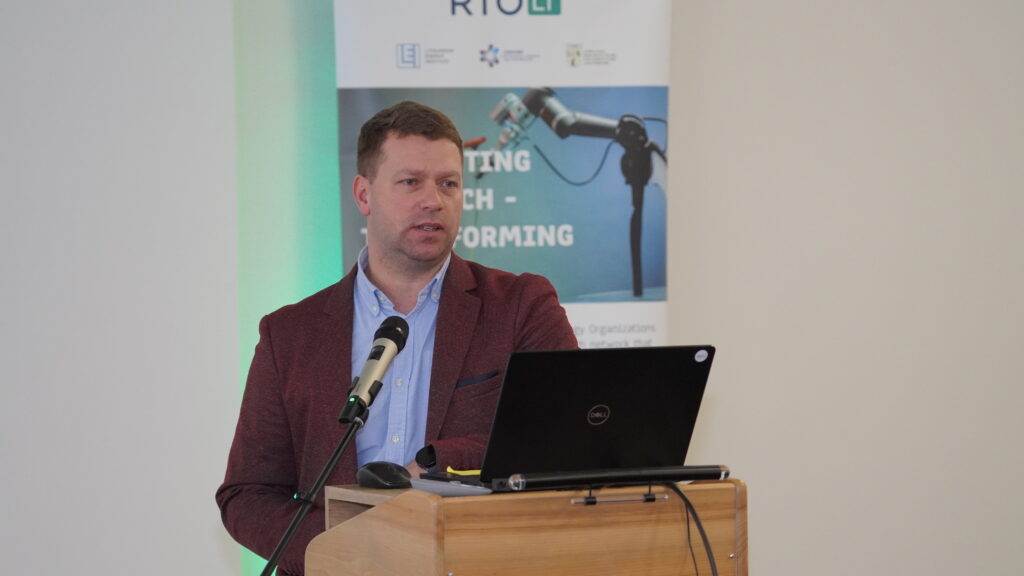
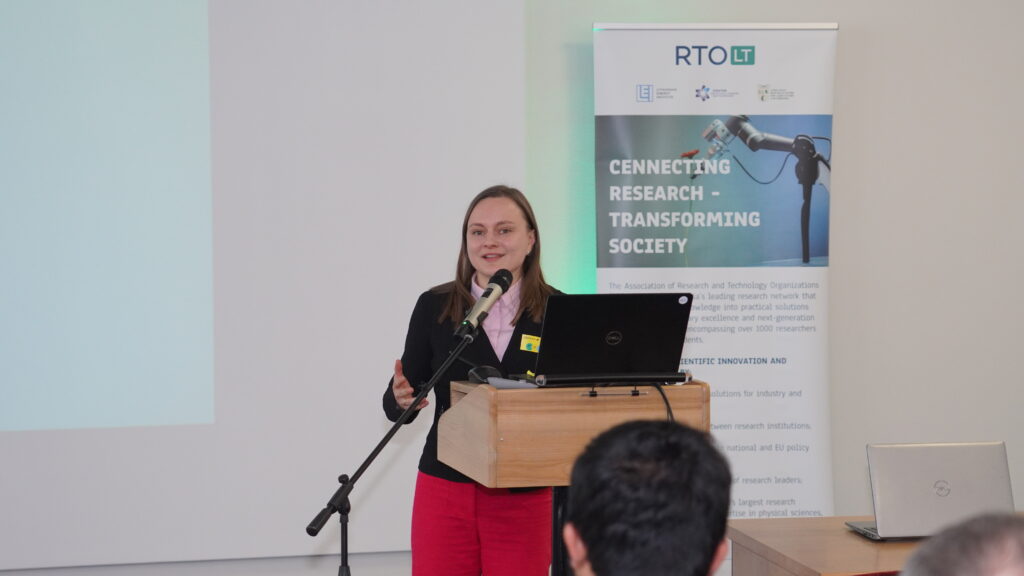
The session was opened by Dr. Andrius Tamošiūnas, Deputy Director of the Lithuanian Energy Institute (LEI), who welcomed participants and highlighted the strategic value of cooperation for developing competitive project pipelines and strengthening talent development across shared thematic areas.
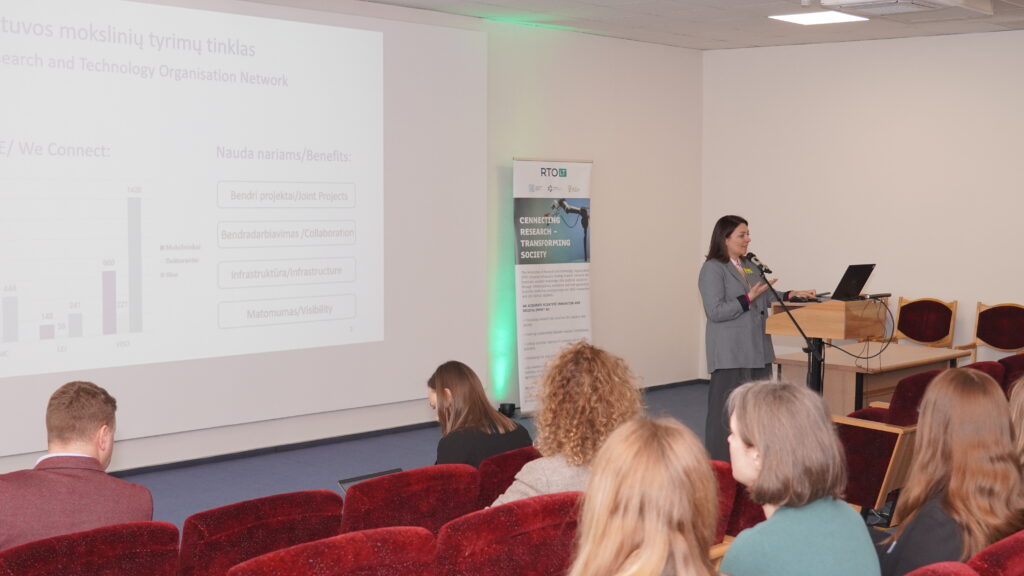
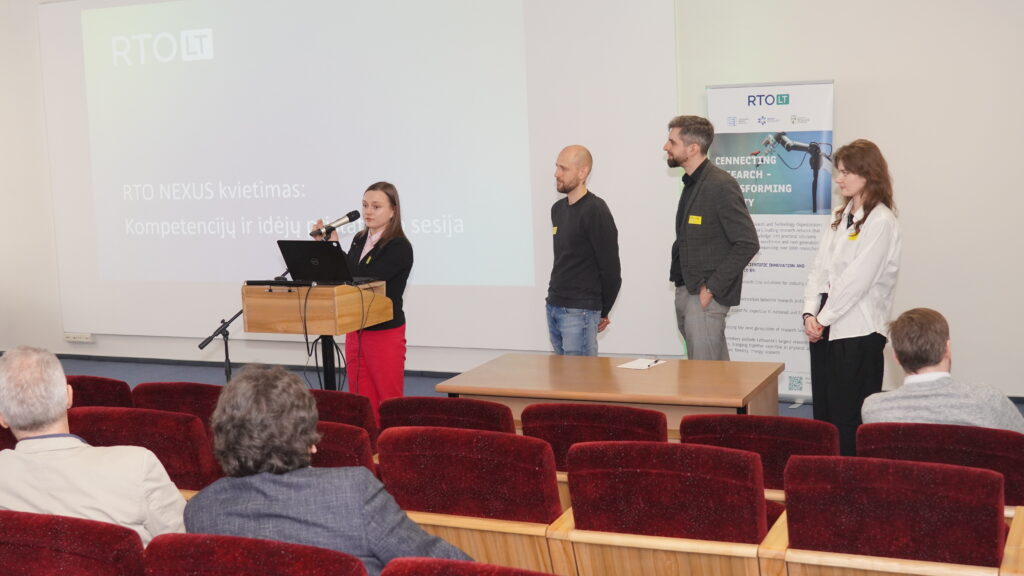
During the event, the RTO NEXUS call was presented, outlining its purpose and rationale. NEXUS (Latin for “connection”) reflects the core idea of the call: connecting complementary strengths across the Lithuanian Energy Institute (LEI), the Center for Physical Sciences and Technology (FTMC), and the Lithuanian Research Centre for Agriculture and Forestry (LAMMC), so that excellent research ideas can move faster from joint pilot work to scalable solutions. By linking infrastructures, expertise, and perspectives, the network increases the likelihood that strong concepts translate into measurable societal and economic value and mature into competitive national and international R&D&I proposals, including Horizon Europe.
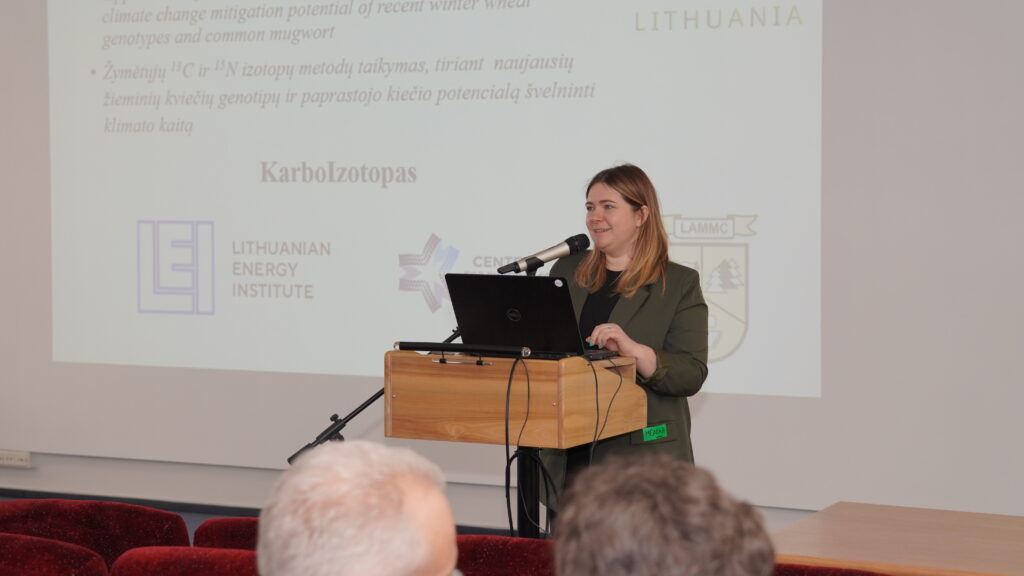
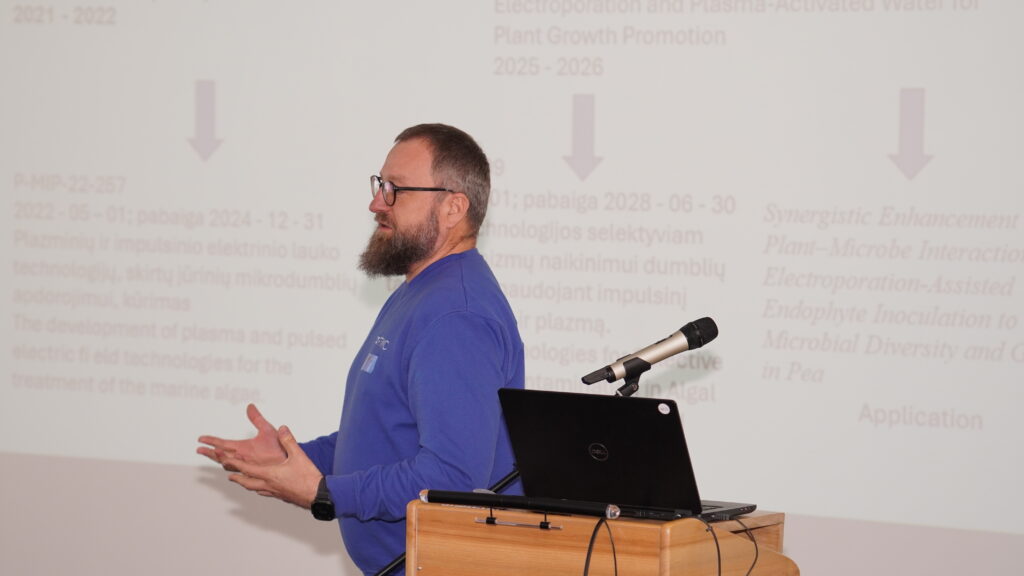
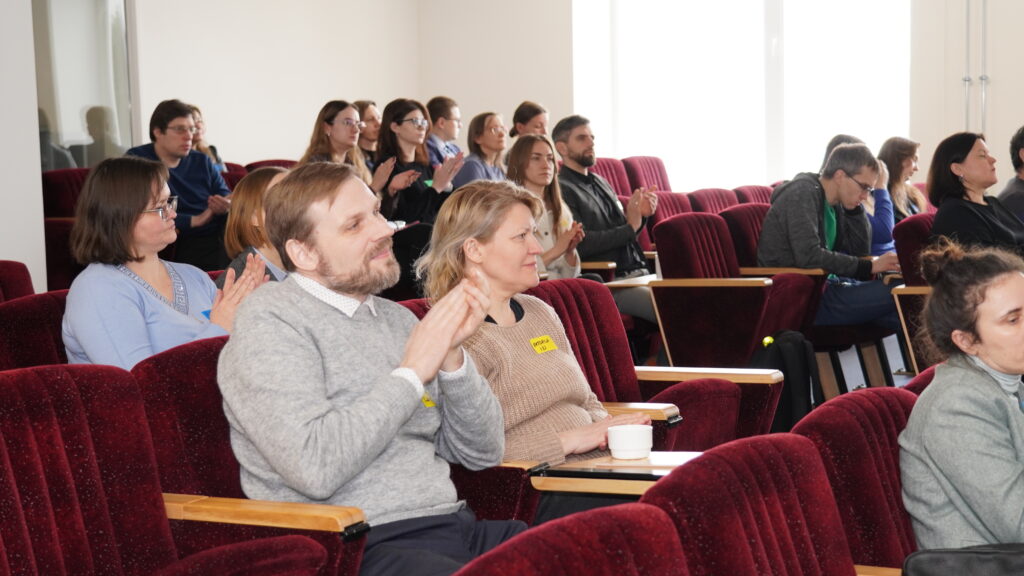
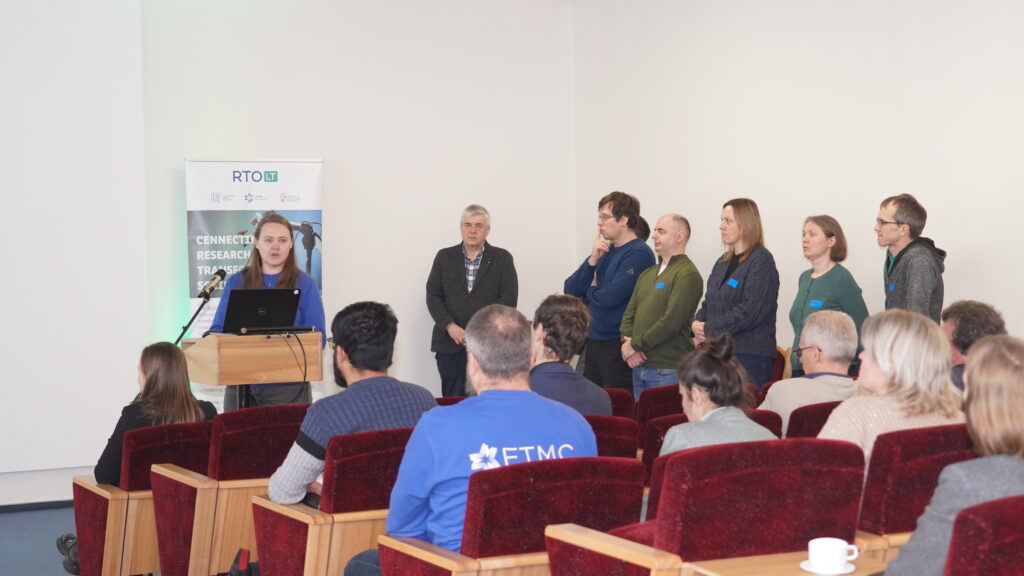
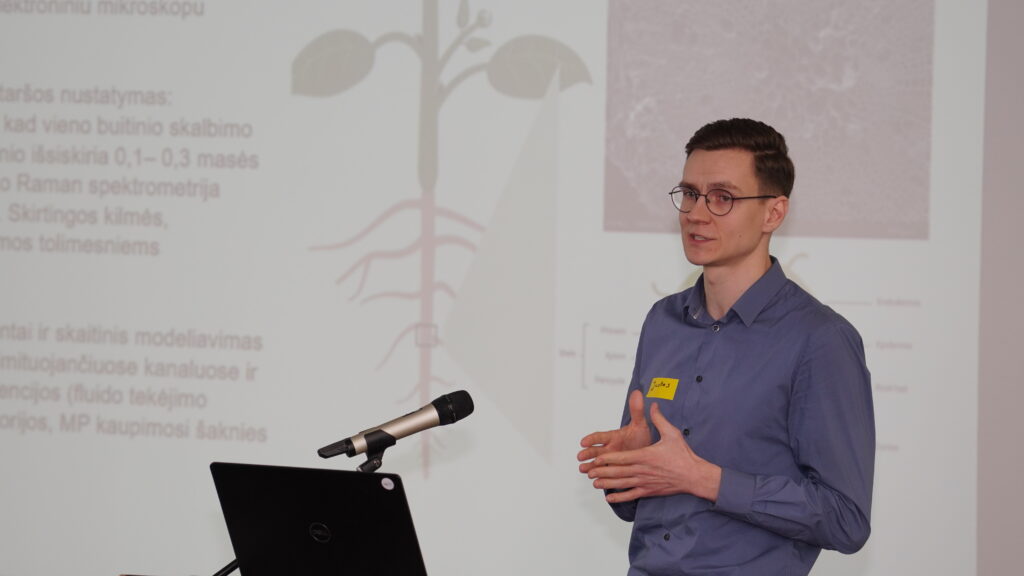
The programme also featured success stories demonstrating the value of this collaboration model. Prof. Arūnas Stirkė (Center for Physical Sciences and Technology, FTMC), Dr. Justas Šireika (Lithuanian Energy Institute, LEI), and Dr. Monika Toleikienė (Lithuanian Research Centre for Agriculture and Forestry, LAMMC) shared how joint pilot research in jointly developed topics helped attract new projects and talents.
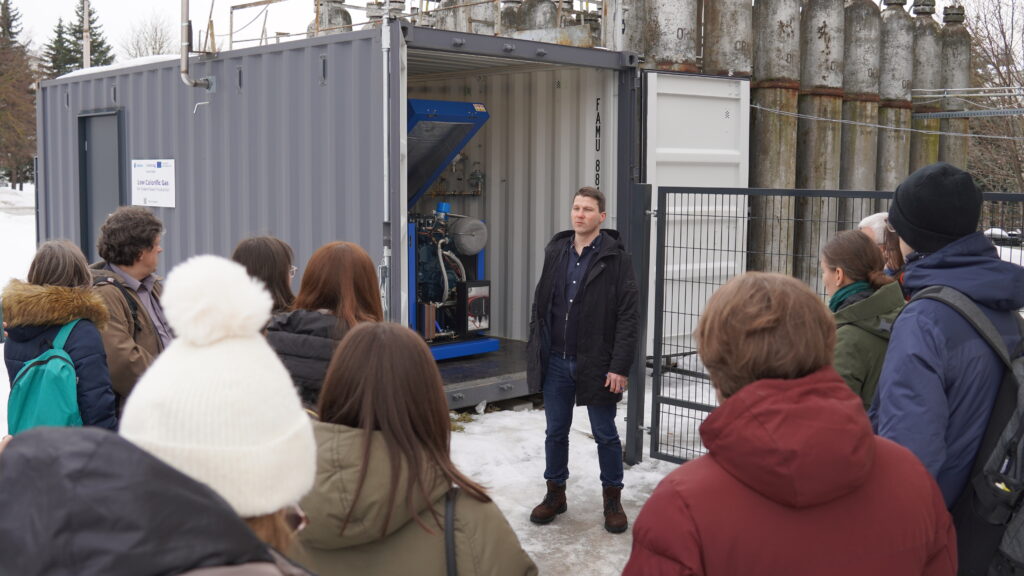
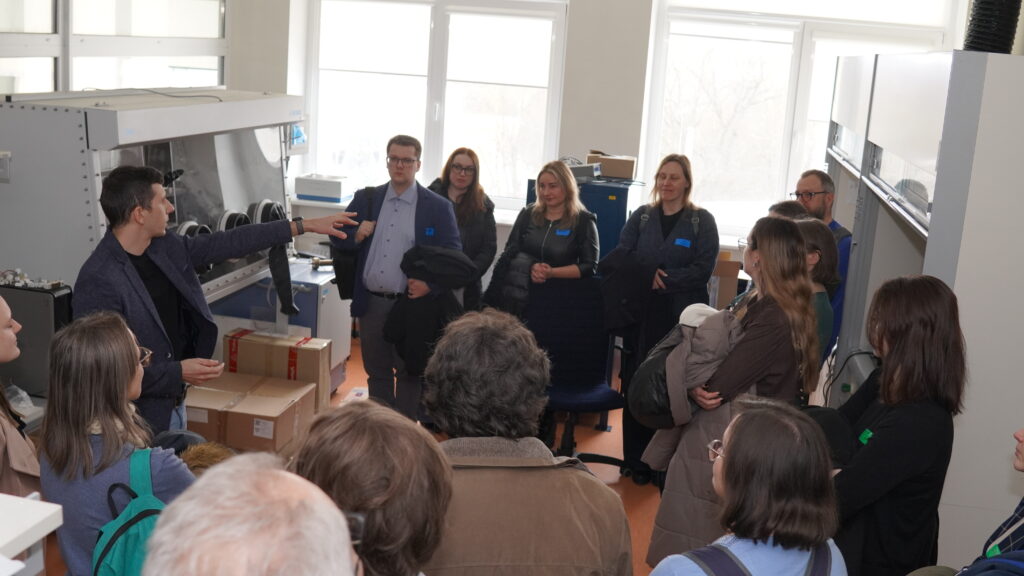
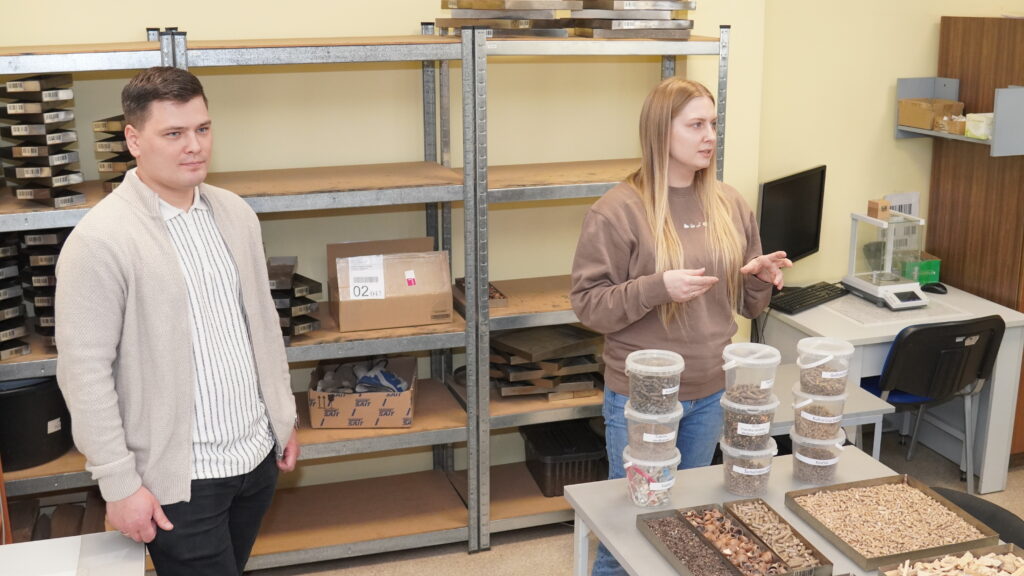
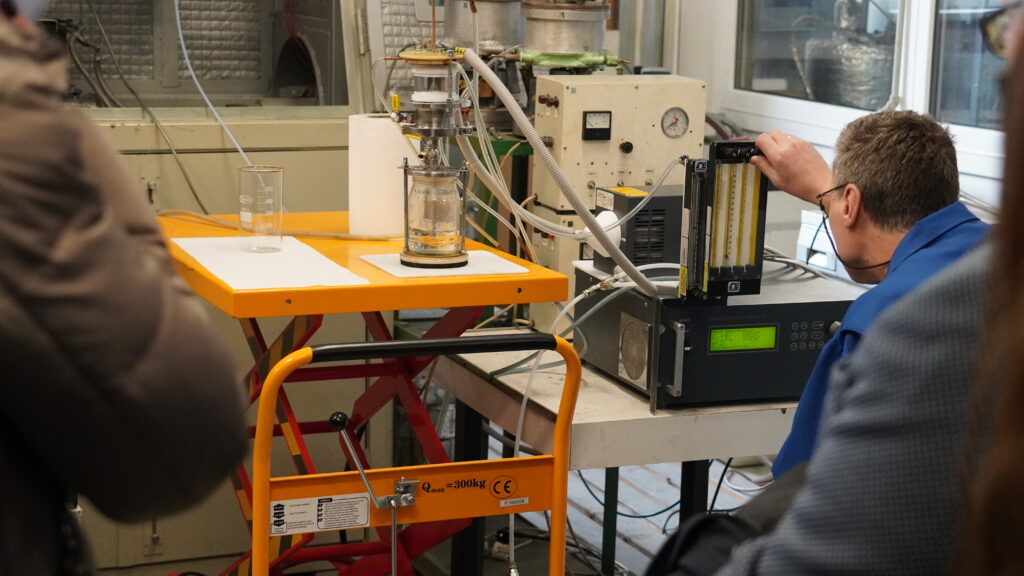
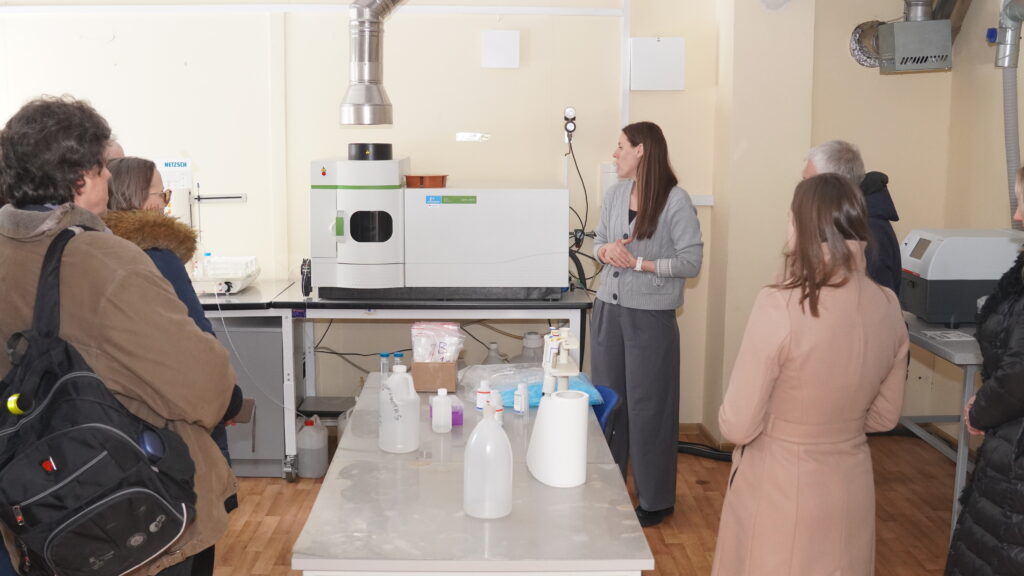
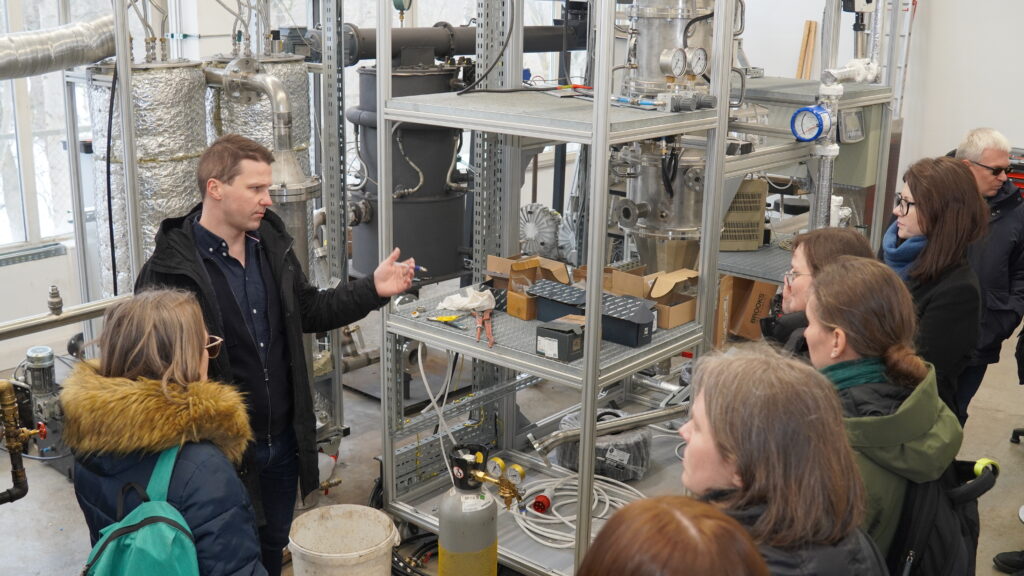
Participants also visited LEI’s key research infrastructure, including the Center for Hydrogen Energy Technologies, the Laboratory of Combustion Processes, the Plasma Processing Laboratory, and the Laboratory of Heat-Equipment Research and Testing, where LEI researchers presented ongoing research activities and capabilities, highlighting potential collaboration entry points.
The session confirmed that this collaboration format is highly relevant and still holds significant untapped potential for future initiatives.
Apply for the call here:
Some moments from the event: